Green Lilac
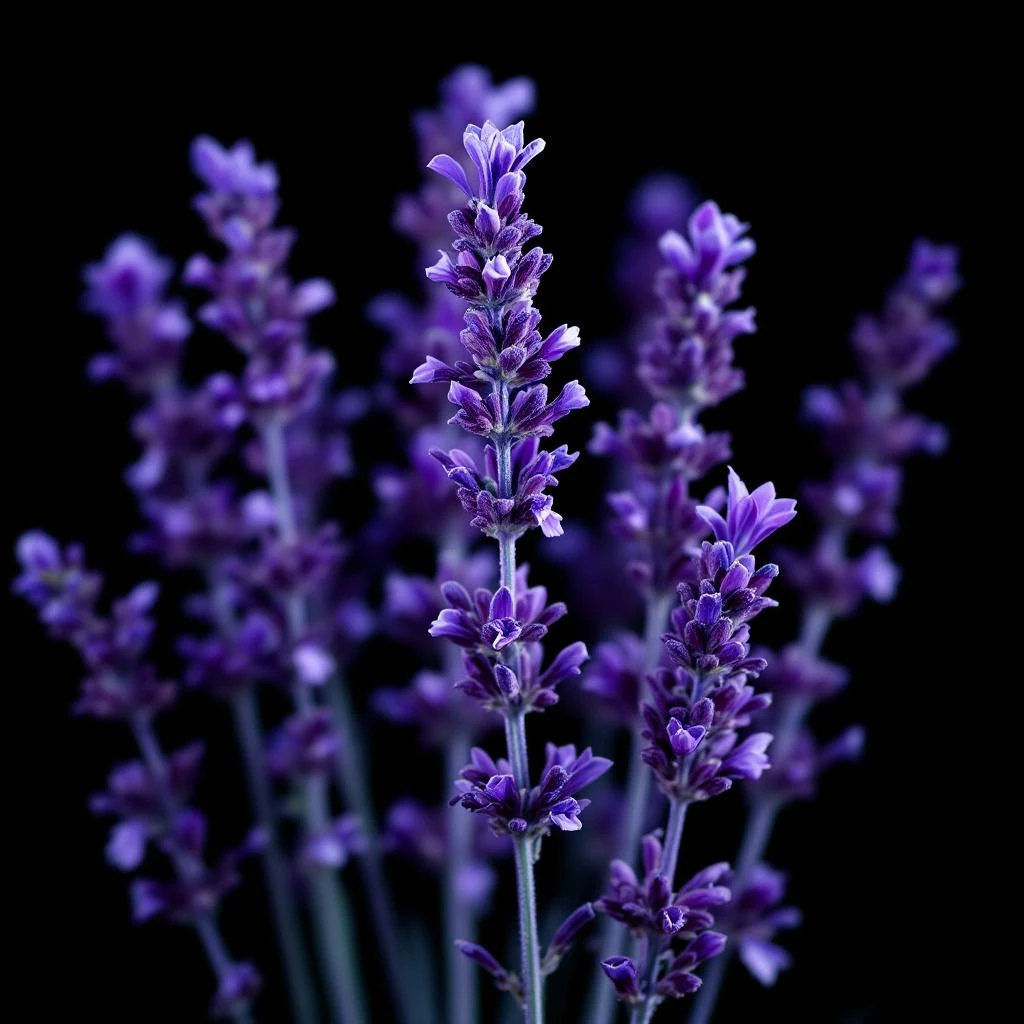
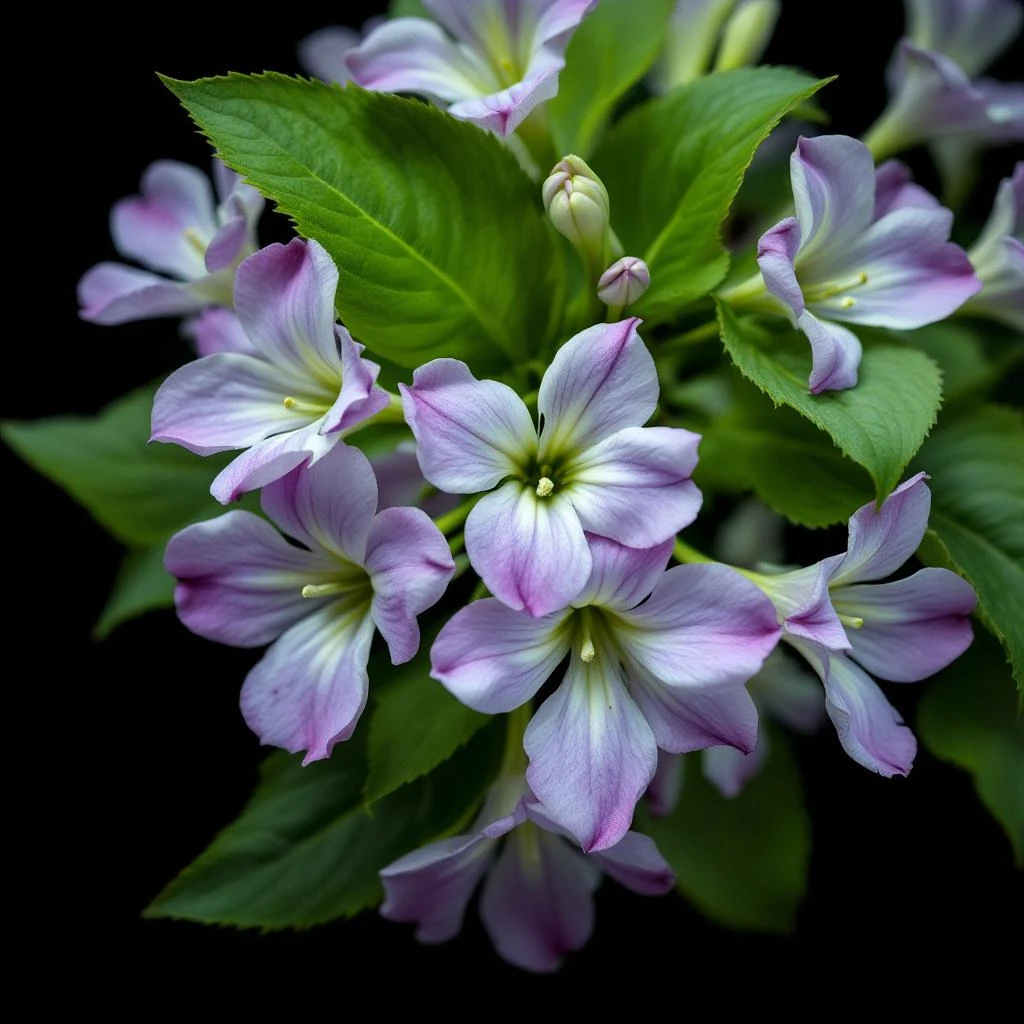
Green Lilac captures the tender essence of spring's most fleeting bloom. Despite its intoxicating honeyed-almond fragrance that fills late spring gardens, no natural extraction exists. Perfumers have spent decades perfecting synthetic reconstitution to bottle this delicate, romantic note.
Character
How it smells
Spring's silent bloom, finally captured.
Lilac ranks among the rare 'mute flowers' that yield no extractable scent through distillation or solvents, alongside lily of the valley and gardenia.



Origin
Balkans/Southeastern Europe
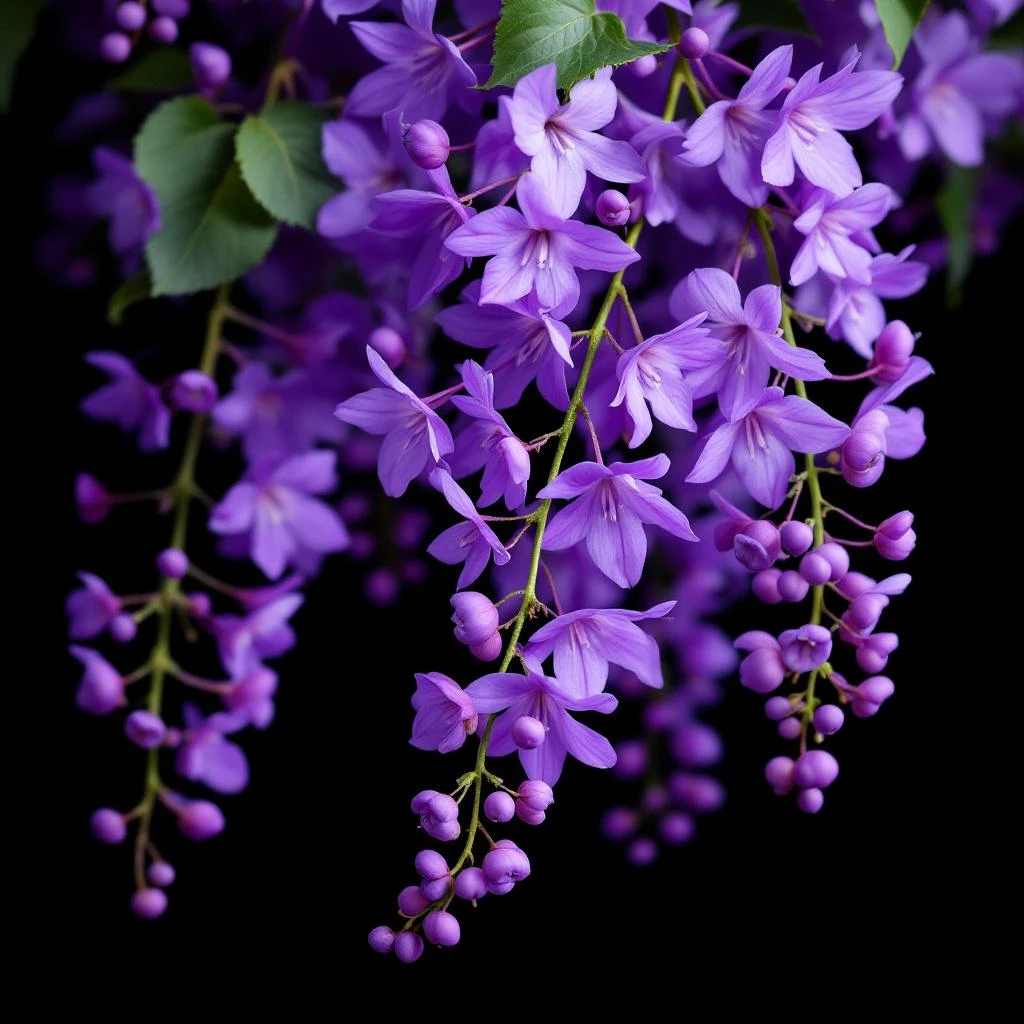
Lilac (Syringa vulgaris) originated in the Balkans and Asia Minor before spreading across European gardens through Ottoman trade routes. The name Syringa derives from the Greek word for pipe, referencing shepherds' flutes carved from lilac wood.
Celtic tradition held that lilac's deep fragrance could transport humans to fairyland. Despite centuries of cultivation, perfumers could never extract its scent until synthetic chemistry emerged.
The first attempts to recreate lilac fragrance coincided with early synthetic odorant development, making it one of perfumery's oldest laboratory-created flowers. French breeders became particularly devoted to the shrub, earning Syringa vulgaris the common name 'French lilac.'
Wears it best
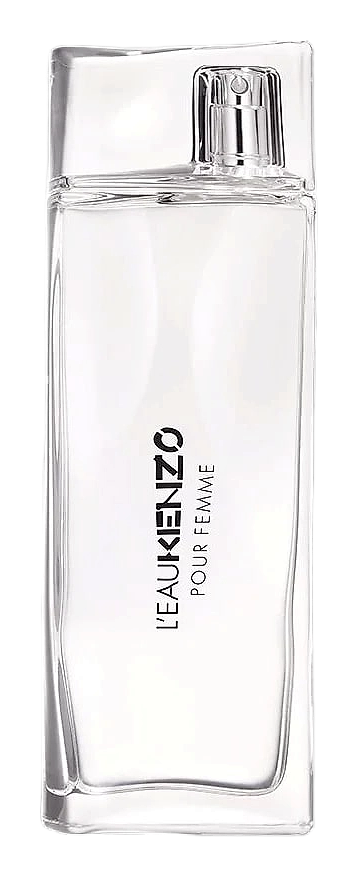
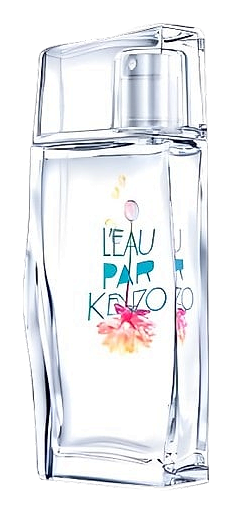
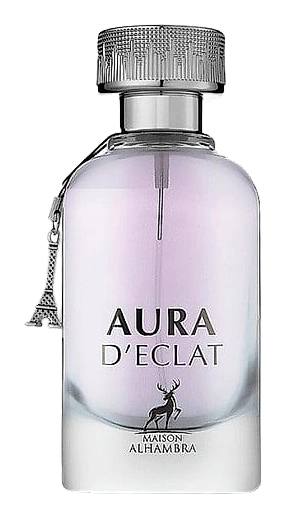
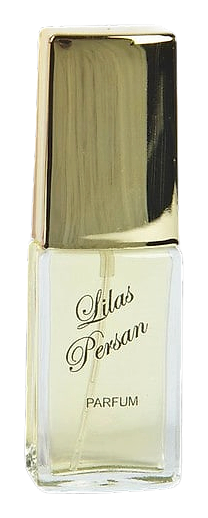
Fragrances featuring Green Lilac
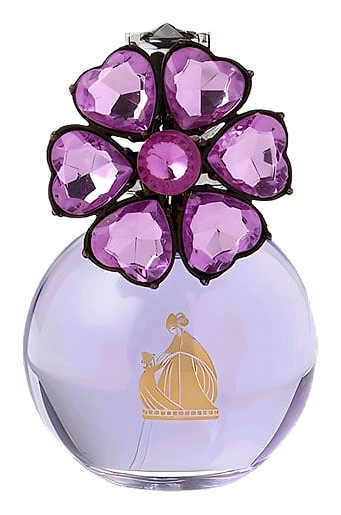
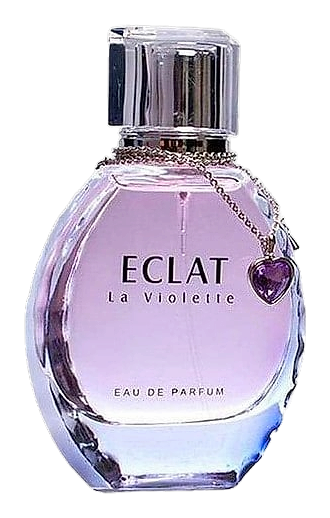
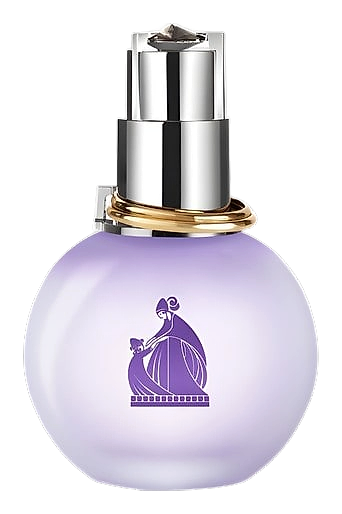
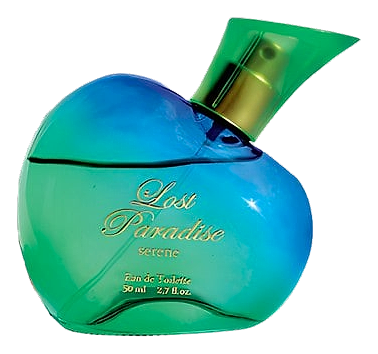
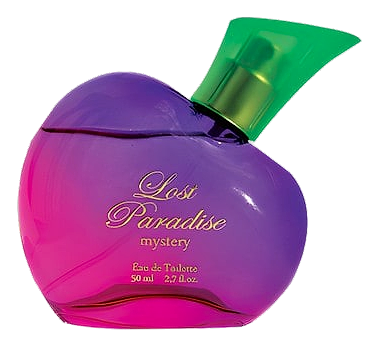
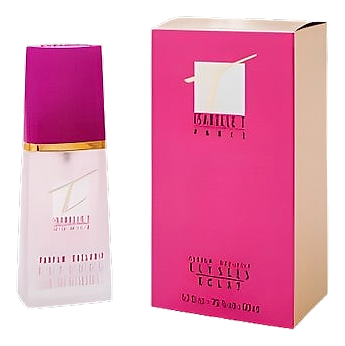
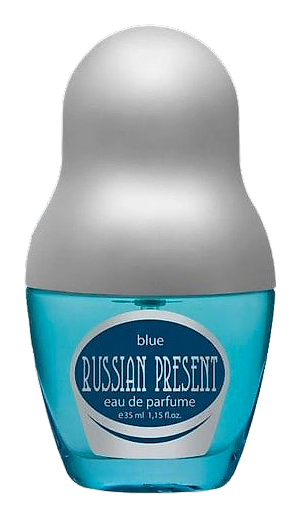
Brands
Brands known for Green Lilac
Good to know
Questions, answered
The essentials on Green Lilac in perfumery: how it smells, where it comes from, and how it behaves on skin.
Is Green Lilac a natural fragrance ingredient?
No. No natural essential oil or absolute exists for lilac. Perfumers create the scent entirely through synthetic reconstitution using compounds like alpha-terpineol, heliotropin, and cinnamic alcohol. This applies to all lilac-scented products.
Why can't lilac fragrance be extracted naturally?
Lilac is classified as a 'mute' or 'silent' flower. Conventional extraction methods like steam distillation or solvent extraction fail because the volatile aromatic compounds responsible for its scent do not survive these processes.
What does Green Lilac smell like?
Green Lilac offers a tender, delicate scent that balances floral sweetness with green, dewy freshness. It carries rosy undertones, powdery softness, and subtle hints of almond and anise. The overall impression evokes sunny spring mornings.
Which famous fragrances feature lilac?
Notable fragrances using lilac include Amour-Amour by Jean Patou, Blue Charm by Azzaro, Fleur d'Interdit by Givenchy, and Gucci Guilty. Lilac appears predominantly in feminine spring and summer scents.
What fragrance families pair well with lilac?
Lilac blends naturally with other florals like rose, jasmine, and muguet. It also harmonizes with green notes, powdery accords, and the slightly animalic nuances that perfumers add for depth in chypre compositions.
How do perfumers improve lilac's sophistication?
Working with lilac requires skill because it risks appearing commonplace, given its prevalence in home fragrances and candles. Perfumers counter this by using high-quality synthetics, pairing it with unexpected materials, and applying restraint to maintain elegance.
What role does headspace technology play in lilac perfumery?
Headspace technology captures volatile compounds released by living lilac flowers, allowing perfumers to analyze their exact aromatic profile. This data enhances synthetic reconstitution, adding naturalness particularly to top note impressions.
Does lilac have cultural significance beyond perfumery?
Celtic traditions believed lilac's fragrance could transport humans to fairyland and the spiritual world. The Greek-derived name Syringa means 'pipe,' referencing folk traditions of crafting musical instruments from lilac wood.