The Story
Why it exists.
The beginning
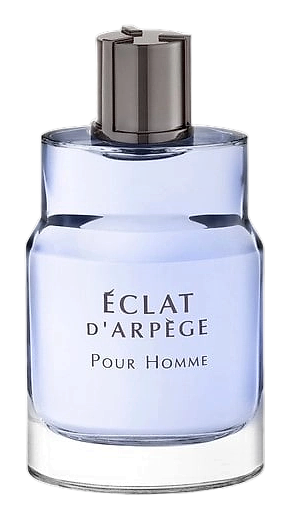
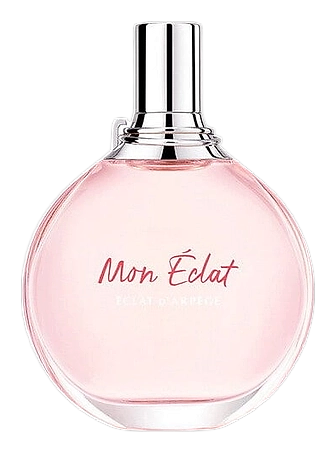
Éclat d'Arpège is a fragrance that echoes the original Arpège's structure, with a bright opening, a rich heart, and an intimate base, without borrowing a single note. The musical DNA is there. The composition is entirely new. Created as a contemporary homage to the Lanvin signature, this scent carries forward the spirit of its predecessor while charting its own olfactory territory. The perfumer drew inspiration from the same artistic philosophy that guided the original, translating it into a modern composition that feels both familiar and fresh. It is a fragrance that speaks to continuity without repetition, a new chapter in a storied lineage.
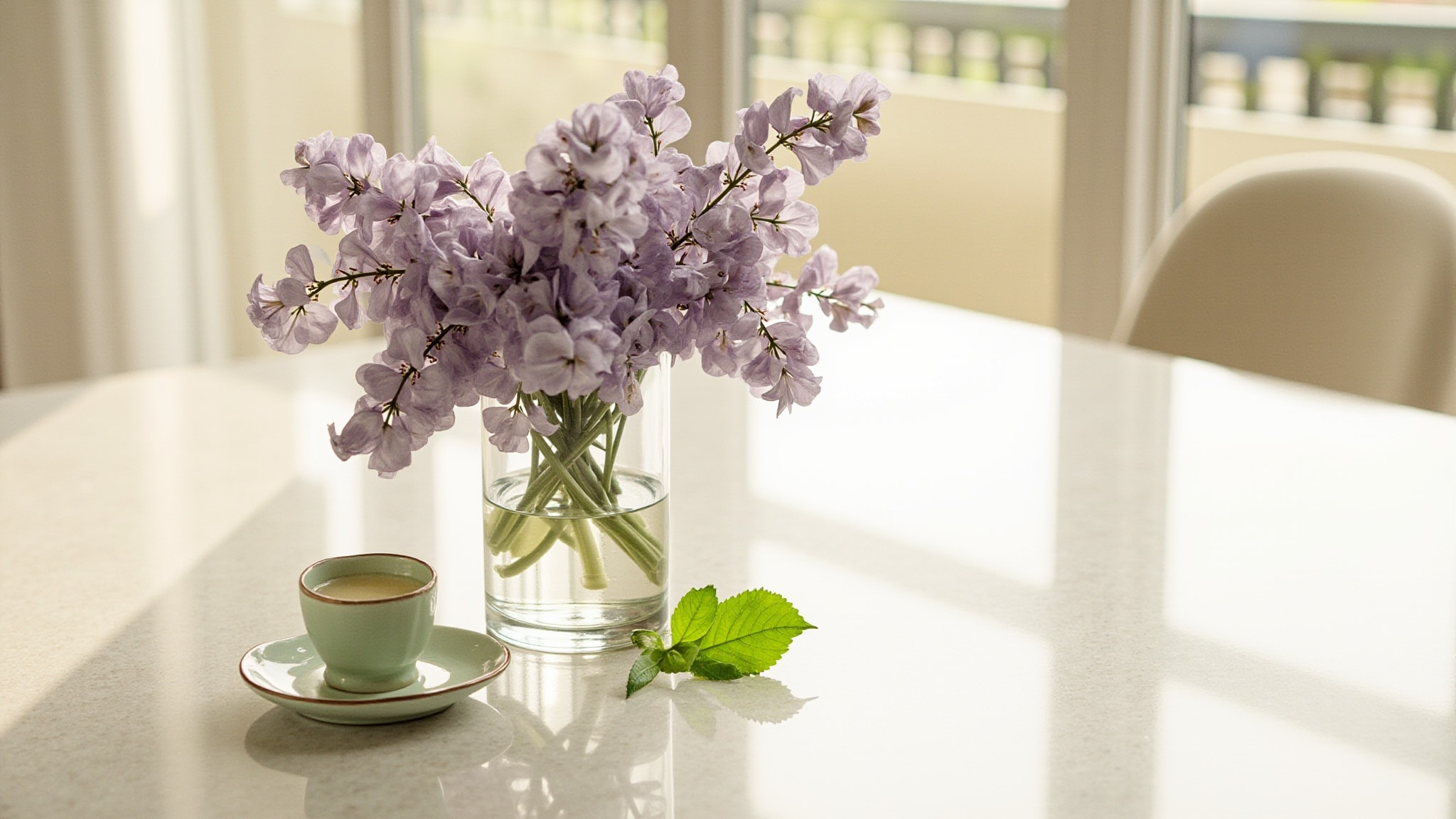
The floral heart is where this fragrance earns its complexity. Wisteria doesn't often anchor a heart, it's more commonly a supporting note, a whispered violet-purple lift. Here it takes center stage alongside red peony and peach blossom, with green tea and osmanthus providing a brightness that keeps the florals from tipping into sweetness. It's an unusual balance: lush but not heavy, feminine but not sugary. The result is a heart that feels expansive without filling a room.
The evolution
The opening lasts longer than expected. Green lilac and Sicilian lemon leaf arrive together, the lilac cool and almost dewy, the lemon leaf adding a clean green edge that prevents either from becoming too sweet. This phase holds for a good stretch of time, a controlled, quiet entrance. The hand-off to the heart is gradual, wisteria doesn't crash in, it builds. Peony and peach blossom layer underneath, and the green tea note starts to surface, keeping everything airy. By the second hour, you're in full bloom. The drydown is where cedarwood, white musk, and amber take over, and this is the phase that justifies the price. The cedar is Lebanese, a specific, warm wood that pairs with white musk in a way that feels intimate rather than linear. Amber wraps the base in a soft warmth that stays close to the skin through the end.
Cultural impact
Éclat d'Arpège occupies a specific space in the Lanvin lineup, positioned as a refined alternative to louder, more aggressive fragrances. It reads as a quiet success: well-regarded by those who wear it, never a blockbuster, consistently available. The launch places it in a period when fruity-floral was the dominant language for accessible luxury women's fragrances, and it distinguished itself through its green florals rather than tropical fruits. That restraint is what keeps it relevant.