The Story
Why it exists.
The beginning
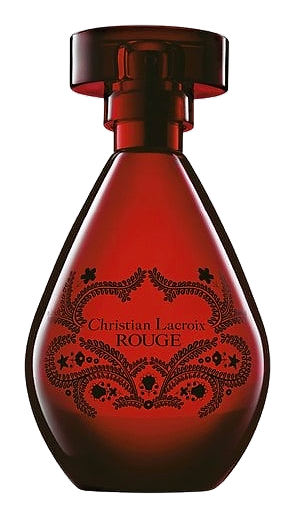
In 2007, Christian Lacroix brought the house's theatrical excess to fragrance, a collaboration with Avon that put the fashion house's philosophy into a bottle you could actually wear. Rouge was the answer to a specific question: what does a Lacroix silhouette smell like? The perfumers, Laurent Le Guernec and Carlos Benaïm, had the house's DNA to work with. Lacroix's fashion drew from Provencal warmth and Parisian grandeur, poufs, fanned skirts, historical silhouettes transformed through modern audacity. Rouge had to embody that same tension. Extravagant materials. Bold color. But wearable. Not costume, not fantasy, something you could live in.
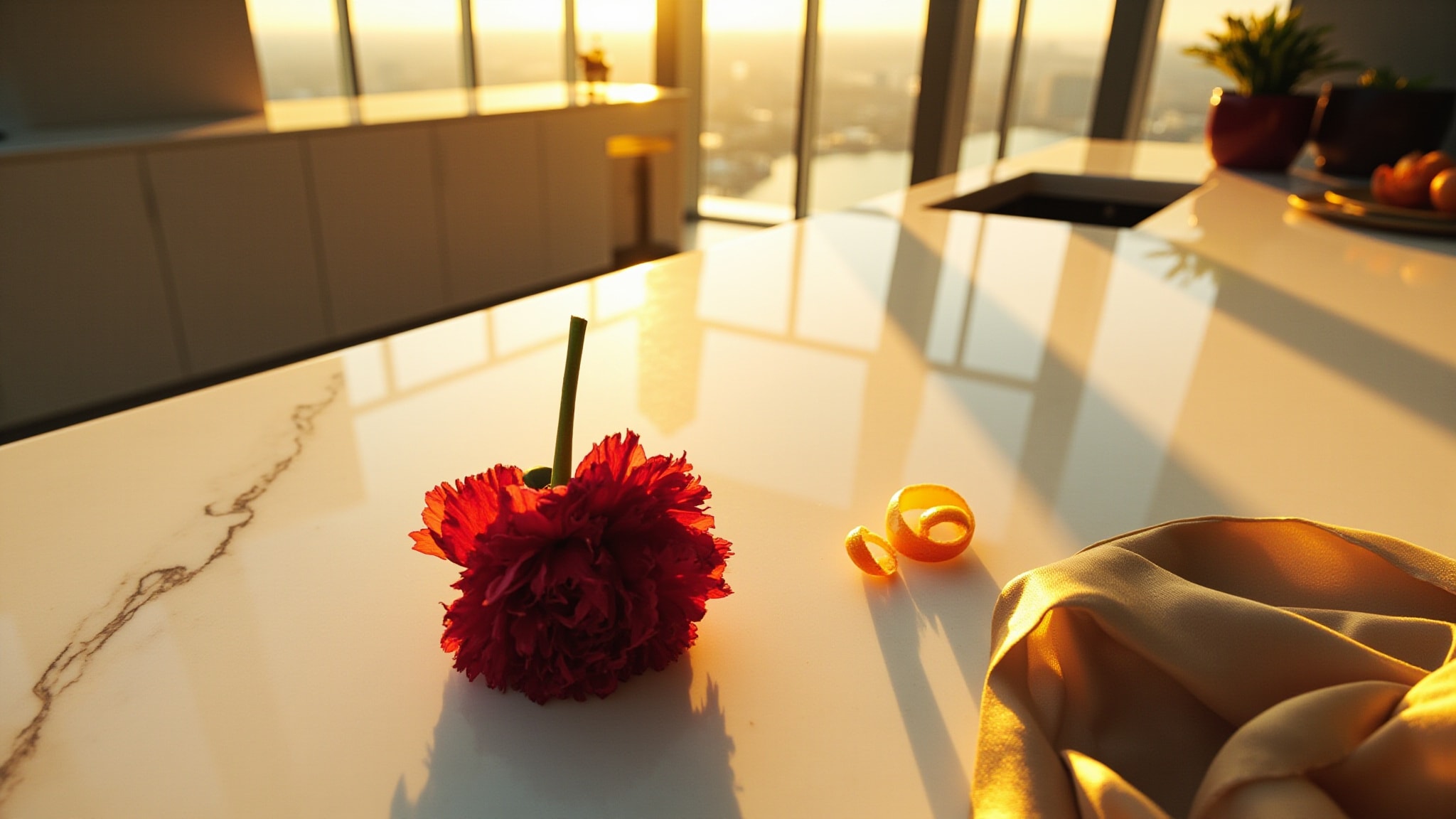
The white pepper in the opening is the key to understanding this composition. It's not decoration, it's definition. The spice cuts through the orange peel and red peony, giving the florals something to push against. Without that contrast, the whole structure softens into something pleasant and forgettable. Osmanthus adds a dimension that most Western noses miss entirely. It's apricot-adjacent, sweet but with a leather-like depth that most people mistake for peach. Lotus brings water, a cool, almost translucent quality that keeps the florals from overwhelming the structure. Together with cashmere wood, these notes build something that feels more like texture than scent. Soft without being wishy-washy.
The evolution
The opening announces itself clearly: orange peel bright and sharp, the white pepper arriving thirty seconds later to add a clean, almost medicinal bite. Red peony gives it weight, this isn't a transparent citrus. It's already building toward something. Within an hour, the florals take over. Osmanthus and lotus arrive with a subtle sweetness that tempers the earlier sharpness without erasing it. The cashmere wood begins to assert itself, wrapping the heart in something warm and slightly powdery. The transition isn't dramatic, it sneaks up on you. By the second hour, patchouli anchors everything. Cashmere wood and musk complete the base, creating a warmth that stays close to the skin rather than announcing itself across the room. Moderate sillage, moderate longevity, four to six hours on most skin types. The white pepper doesn't fully disappear. It lingers at the edges, a reminder of where this started. The drydown on fabric is softer, warmer, patchouli without the initial bite. The next morning, there's a faint trace of cashmere wood and musk. Nothing aggressive.
Cultural impact
Rouge is a Chypre Floral that doesn't follow the 2007 playbook. While other fashion houses pushed toward lighter, safer florals to maximize sales, Rouge kept its patchouli and its conviction. The composition is darker, more complex, built on a structure that was already being abandoned by the mainstream. That stubbornness is part of what makes it interesting. It's not trying to please everyone. It's trying to be itself.