









Heritage
A house, in its own words
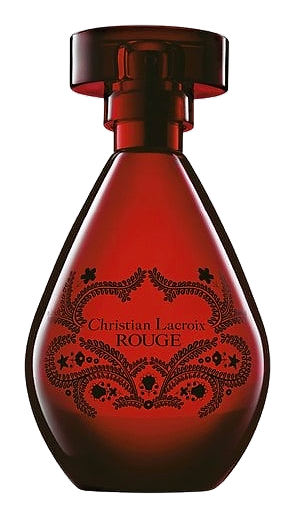
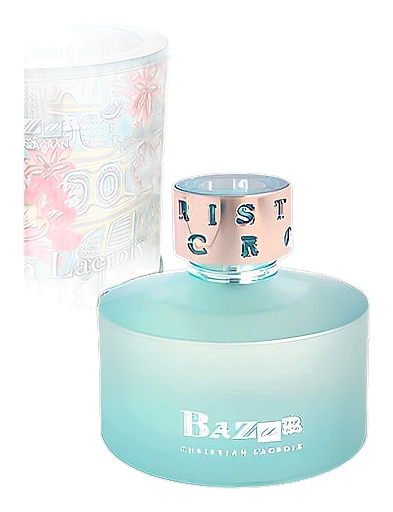
Christian Lacroix was born on May 16, 1951, in Arles, France, and demonstrated an early talent for art that would eventually define his career. In 1981, he became the lead designer for Jean Patou, a prestigious French fashion house then experiencing difficulties. His debut collection for Patou, presented in 1982, became legendary, deliberately rejecting the minimalist aesthetic that dominated that era in favor of abundant color, historical silhouettes, and joyful exuberance. The collection reportedly sold out entirely, signaling immediate demand for his distinctive vision. In April 1987, Lacroix opened his own couture house at 73 Rue du Faubourg Saint-Honore in Paris, rapidly establishing himself as a designer who revived forgotten forms like the pouff and the fanned skirt. His rise was swift and dramatic, positioning him as a leading figure in French fashion. The house expanded beyond couture to include ready-to-wear, accessories, and jeans, with the fragrance line beginning in 1990 through the launch of C'est La Vie. Ownership of the house changed during the 1990s when it was acquired by Luis教科书, though Lacroix continued as creative director. In 2007, the brand entered a partnership with Avon for broader fragrance distribution. A significant industry recognition came in 2008 when Christian Lacroix Rouge received the Fragrance of the Year award in the Women's Popular category from the Fragrance Foundation. The historic mansion that housed the Christian Lacroix maison de couture eventually became home to Le Grand Musee du Parfum, which opened in December 2017, marking the transformation of the fashion house's original address into a cultural institution dedicated to the art of scent. Christian Lacroix's design philosophy emerges from his roots in southern France, where the colorful joie de vivre of his native Arles infused his work with a distinctive warmth and exuberance. He describes his vision as mixing the vibrant spirit of Provence with a certain aristocratic excess, creating a aesthetic that is both celebratory and refined. His fashion collections consistently reference historical dress, reimagining courtly silhouettes through a modern lens with theatrical flair and unexpected combinations. This philosophy extends directly to the fragrance line, where each scent captures a different facet of the Lacroix world. Rather than pursuing minimalism or restraint, the house embraces expression, color, and personality in scent. The naming strategy alone reveals this perspective, with fragrances called C'est La Vie (affirming life's pleasures), Bazar (evoking lively marketplace energy), and C'est la Fete Patchouli (celebrating festive abandon). There is a playful irony in the approach, a wink that invites the wearer to participate in something theatrical and joyful rather than solemn. The house treats fragrance as another form of personal expression, a way to communicate identity and mood, much like choosing an outfit for a particular occasion or mood.