Vanilla Rum
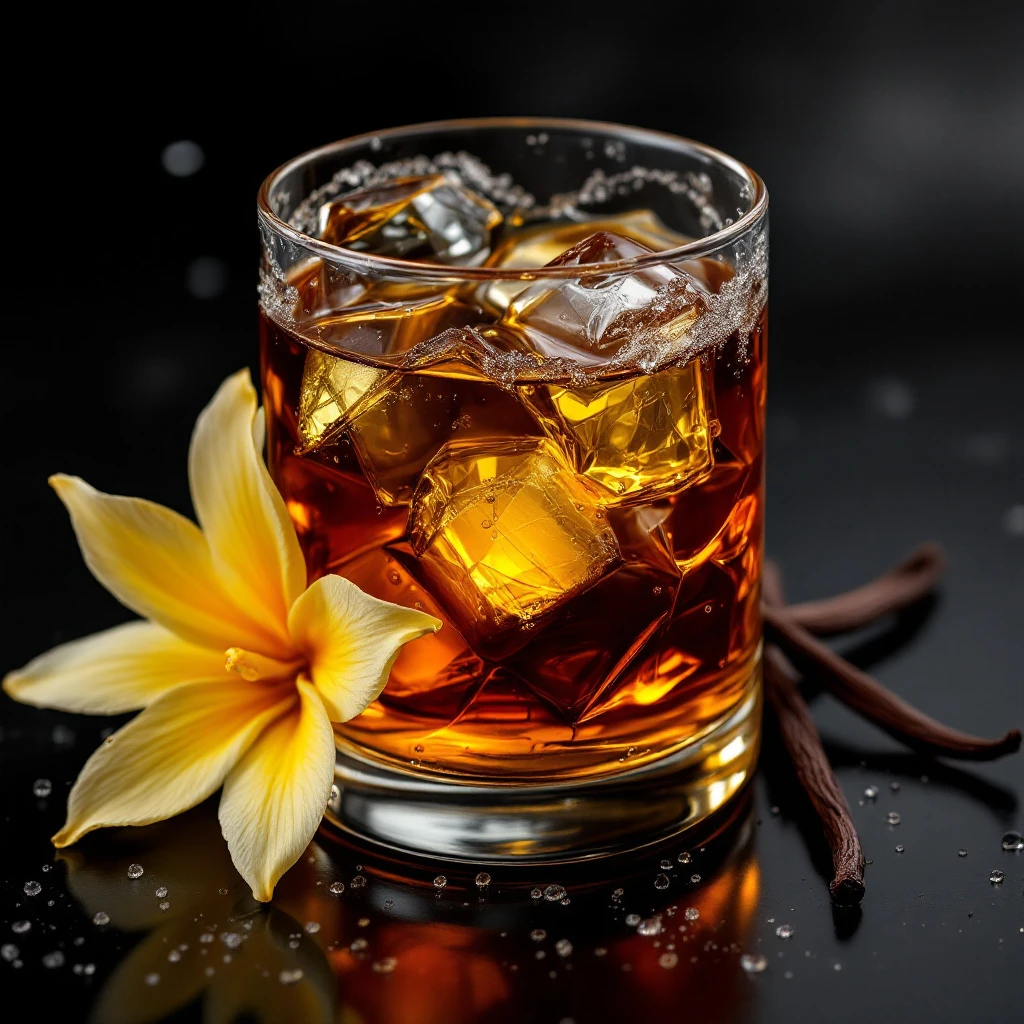
A warm embrace of Bourbon vanilla softened by golden rum's boozy sweetness. This indulgent accord combines creamy sweetness with caramelized warmth, evoking old oak barrels and whispered secrets.
Character
How it smells
Where Caribbean warmth meets Bourbon richness
Natural vanilla contains over 200 aromatic compounds; synthetic vanillin captures only one.


Origin
Mexico
Vanilla traces back to Mesoamerica, where the Aztecs first used pods from the Vanilla planifolia orchid to flavor xocolatl, a bitter chocolate drink reserved for warriors and nobility. When Hernan Cortés encountered vanilla in the 1500s, he introduced it to European aristocracy who had only known chocolate without this aromatic depth.
The orchid's pollination presented a unique obstacle. Native Mexican bees were required for the plant to set fruit, meaning vanilla could not reproduce outside Mesoamerica for centuries. This botanical mystery kept vanilla rare and expensive. The solution came in 1841 on Reunion Island, where an enslaved child named Edmond Albius devised a simple hand-pollination technique that would unlock worldwide vanilla production.
Today Madagascar produces over 80 percent of global vanilla, though Mexico remains the spiritual home of this ingredient. Modern perfumers work with both natural extracts and synthetic alternatives like vanillin and ethylvanillin. The vanilla rum note represents this evolution, combining traditional aromatic materials with contemporary chemistry to achieve a warm, indulgent character.
Wears it best
Fragrances featuring Vanilla Rum
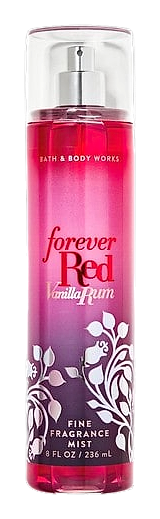
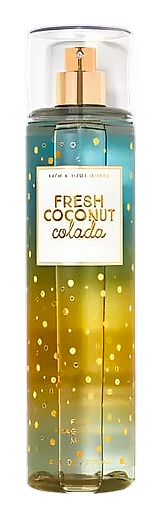
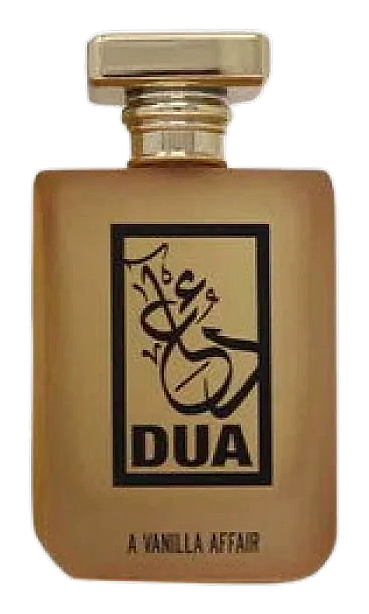
Brands
Brands known for Vanilla Rum
Good to know
Questions, answered
The essentials on Vanilla Rum in perfumery: how it smells, where it comes from, and how it behaves on skin.
Is vanilla rum a natural or synthetic note?
It's typically a blended note. Perfumers combine natural vanilla absolute with synthetic ester compounds and rum-inspired aromatics to achieve the characteristic warm, boozy profile. Pure natural vanilla lacks the distinctive rum quality this note requires.
What gives vanilla rum its boozy character?
Ester compounds and oak lactones create the boozy quality. These aromatic molecules mimic the smell of aged spirits, adding warmth and a subtle alcoholic edge that distinguishes vanilla rum from standard vanilla.
How long does natural vanilla take to cure?
Natural vanilla requires six months of curing. Green beans must be kiln-dried, sweated, and sun-dried in cycles to develop their characteristic aroma and flavor compounds.
Why is natural vanilla so expensive?
Vanilla is one of the most labor-intensive spices in the world. Each orchid flower must be pollinated by hand, and the resulting pods require nearly a year to mature plus an additional six months of curing.
Can vanilla rum be used in all fragrance types?
Vanilla rum works best in oriental and gourmand fragrances. Its warm, sweet character pairs well with amber, woods, and spicy notes, making it ideal for evening and autumn fragrances.
What synthetic alternatives exist for vanilla?
Vanillin and ethylvanillin are the main synthetic alternatives. Ethylvanillin offers approximately three times the intensity of natural vanillin, allowing perfumers to achieve deep vanilla character with smaller quantities.
How does origin affect vanilla's aroma?
Origin significantly impacts vanilla's profile. Mexican vanilla offers spicy, smoky nuances, while Madagascar vanilla provides creamy, sweet characteristics. These regional variations influence the final vanilla rum accord.
Is vanilla rum suitable for vegan fragrances?
Vegan vanilla rum is possible using synthetic vanillin and ethically-sourced absolutes. Perfumers can create the note entirely from plant-based materials without compromising on quality or scent profile.