Pink hibiscus
Pink hibiscus delivers a vivid tropical sweetness, brightened by a signature tartness that lifts and energizes fragrance compositions. This bold floral brings warmth and complexity that feels distinctly sun-drenched and alive.
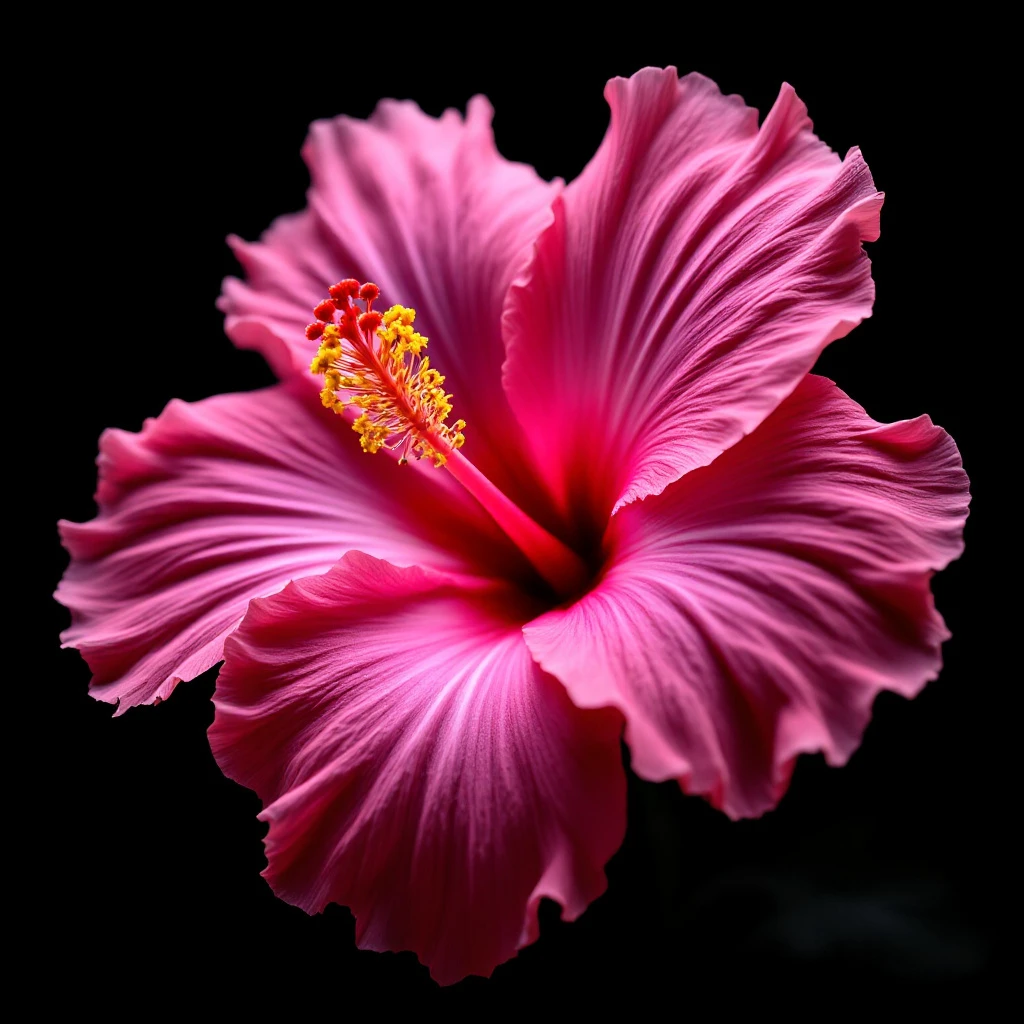
Character
How it smells
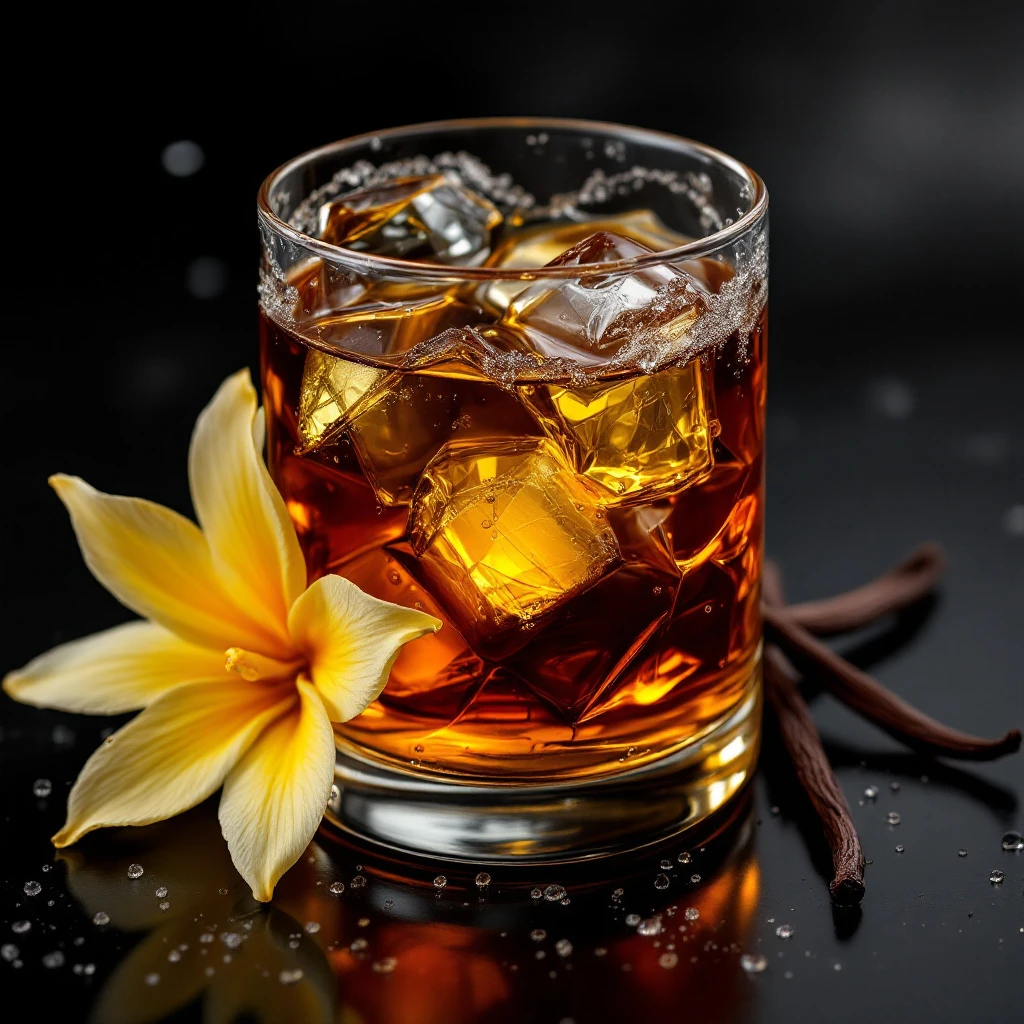
Vivid tropical sweetness with a tart, effervescent edge
One hibiscus flower yields only trace amounts of aromatic material, making natural hibiscus absolute among the rarer ingredients in perfumery.
Origin
China
Hibiscus rosa-sinensis traces its origins to the warm regions of China and Southeast Asia, where it has grown for millennia as both ornamental plant and cultural symbol. Chinese texts mention the flower as early as the Han Dynasty, around 200 BCE, where it appeared in gardens and imperial landscapes. The plant migrated steadily through tropical Asia, reaching Hawaii and the Pacific islands, where local cultures adopted it with distinctive traditions.
Hawaiians transformed the blossoms into lei garlands and wore them behind the ear in specific positions to signal romantic availability. Ancient Mayan civilization in Central America revered the flower, associating it with fertility and goddess imagery. Indian ayurvedic practice incorporated hibiscus for its purported hair and skin benefits.
Despite this rich cultural history spanning continents, hibiscus remained largely absent from Western perfumery until the twentieth century. The flower's visual spectacle made it a garden favorite across tropical and subtropical regions worldwide, yet technical obstacles to extracting its scent kept it at the margins of fragrance creation. Only with modern solvent extraction technology did perfumers gain reliable access to hibiscus absolute, opening possibilities for this vivid flower to influence contemporary compositions.
Wears it best
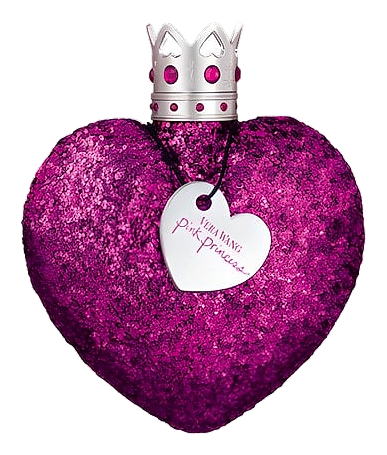
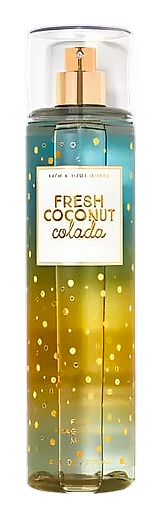
Fragrances featuring Pink hibiscus
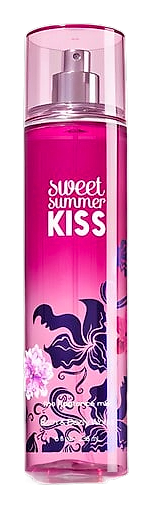
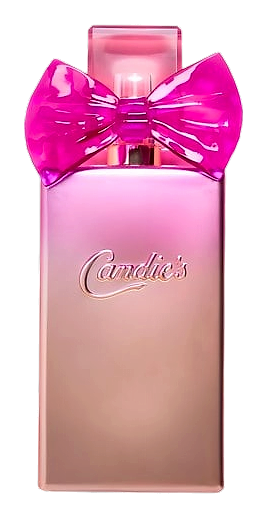
Brands
Brands known for Pink hibiscus
Good to know
Questions, answered
The essentials on Pink hibiscus in perfumery: how it smells, where it comes from, and how it behaves on skin.
What does pink hibiscus smell like?
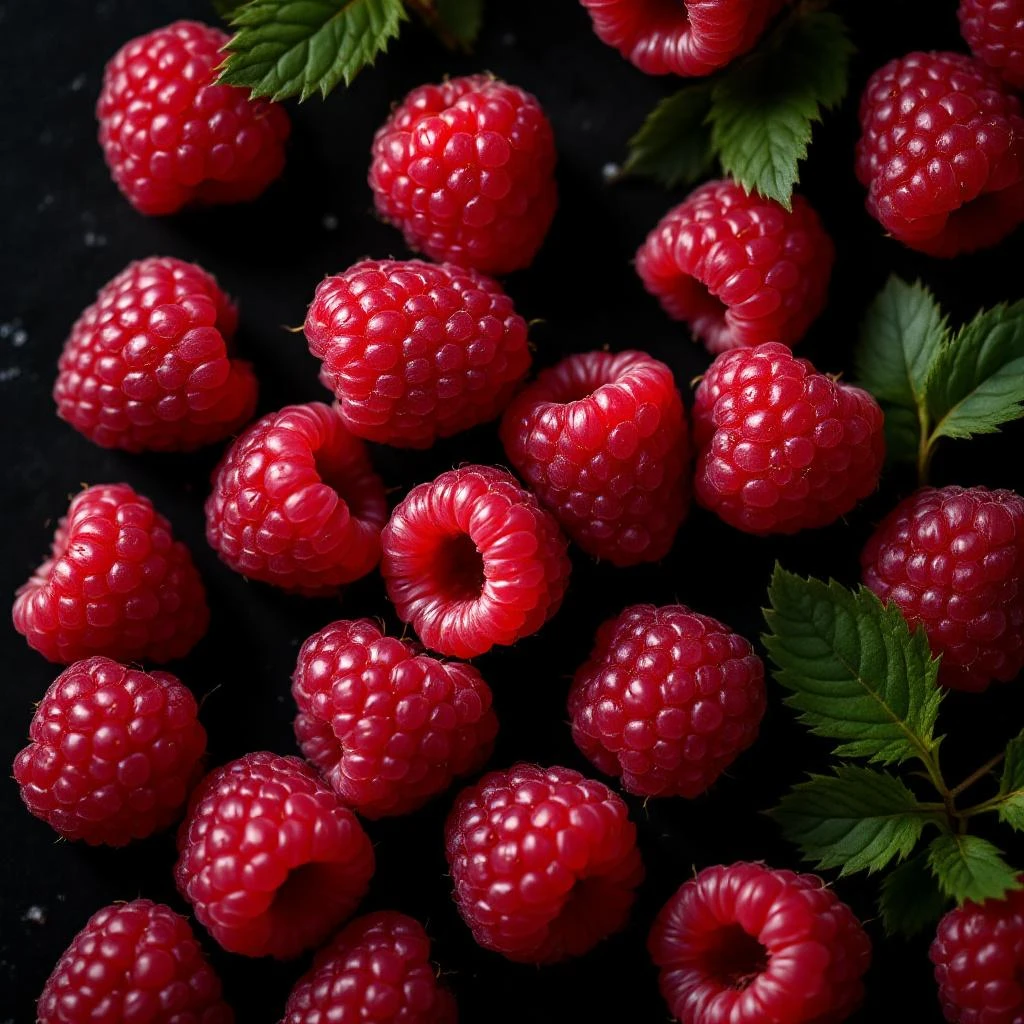
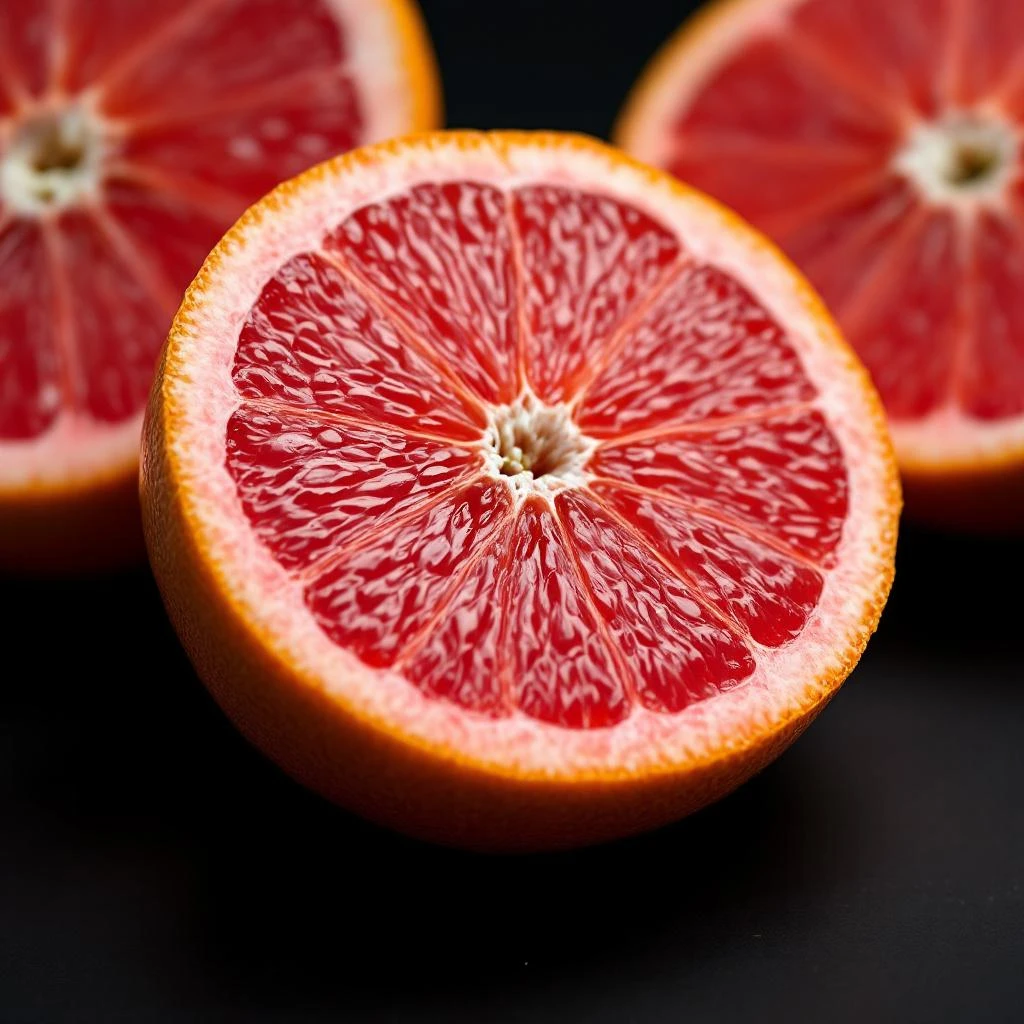
Pink hibiscus absolute smells like sweet tropical florals with honeydew and berry notes, balanced by a tart, almost cranberry-like brightness and deeper wine or grape nuances in the drydown.
Is pink hibiscus natural or synthetic in perfumery?
Pink hibiscus used in perfumery is natural, extracted via solvent extraction of flower petals. However, because true hibiscus absolute remains expensive and rare, many fragrances use synthetic reconstructions that mimic its characteristic scent profile.
What fragrances feature pink hibiscus prominently?
Pink hibiscus appears most often in feminine florals, tropical scents, and fruity compositions. Niche houses and selective luxury brands incorporate it more readily than mass-market lines due to its cost and rarity.
Is hibiscus used in traditional perfumery?
Hibiscus did not feature prominently in classical Western perfumery traditions. Its use expanded only after modern solvent extraction became available in the twentieth century, though even today it remains relatively uncommon compared to rose, jasmine, or tuberose.
What extraction challenges make hibiscus rare?
Hibiscus flowers produce only minute quantities of aromatic material, and the delicate petal structure resists traditional steam distillation. Solvent extraction overcomes this but requires significant starting material and careful processing, driving up costs considerably.
What fragrance families pair well with pink hibiscus?
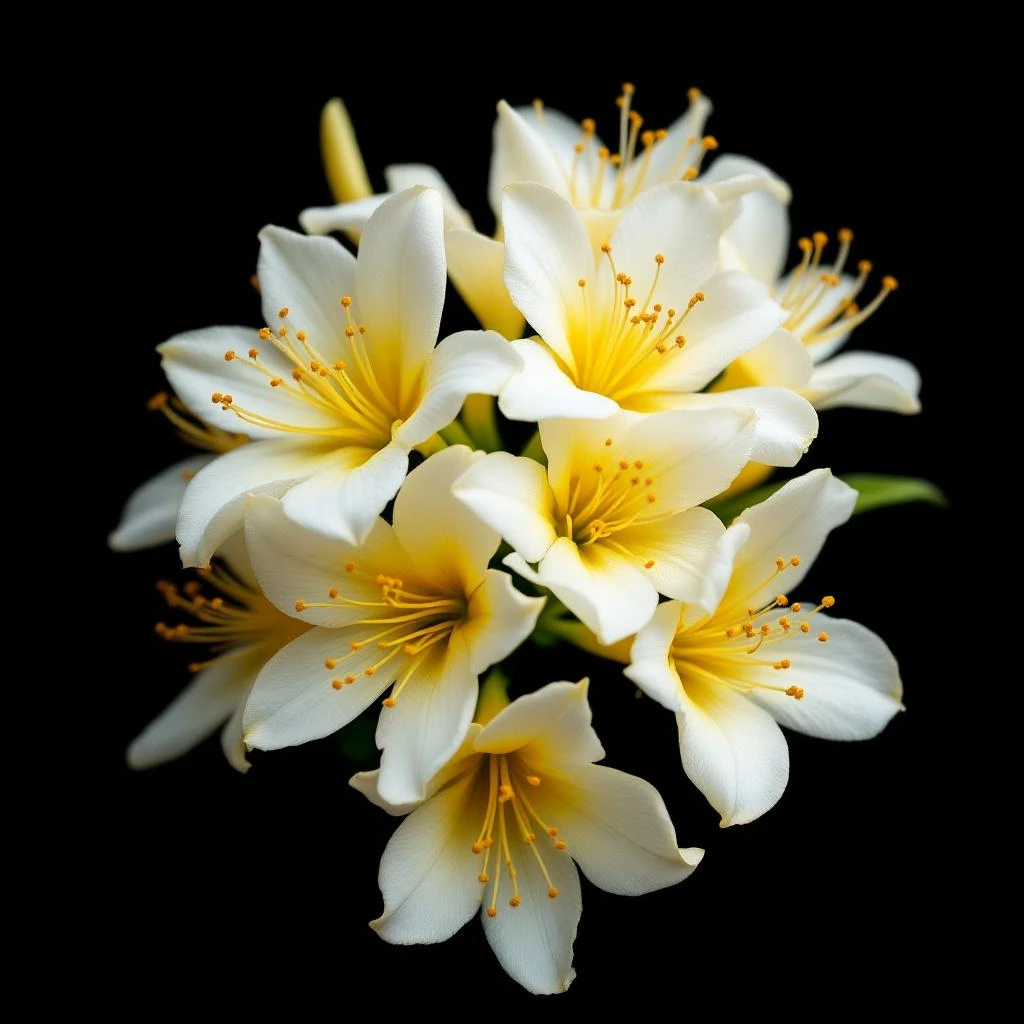
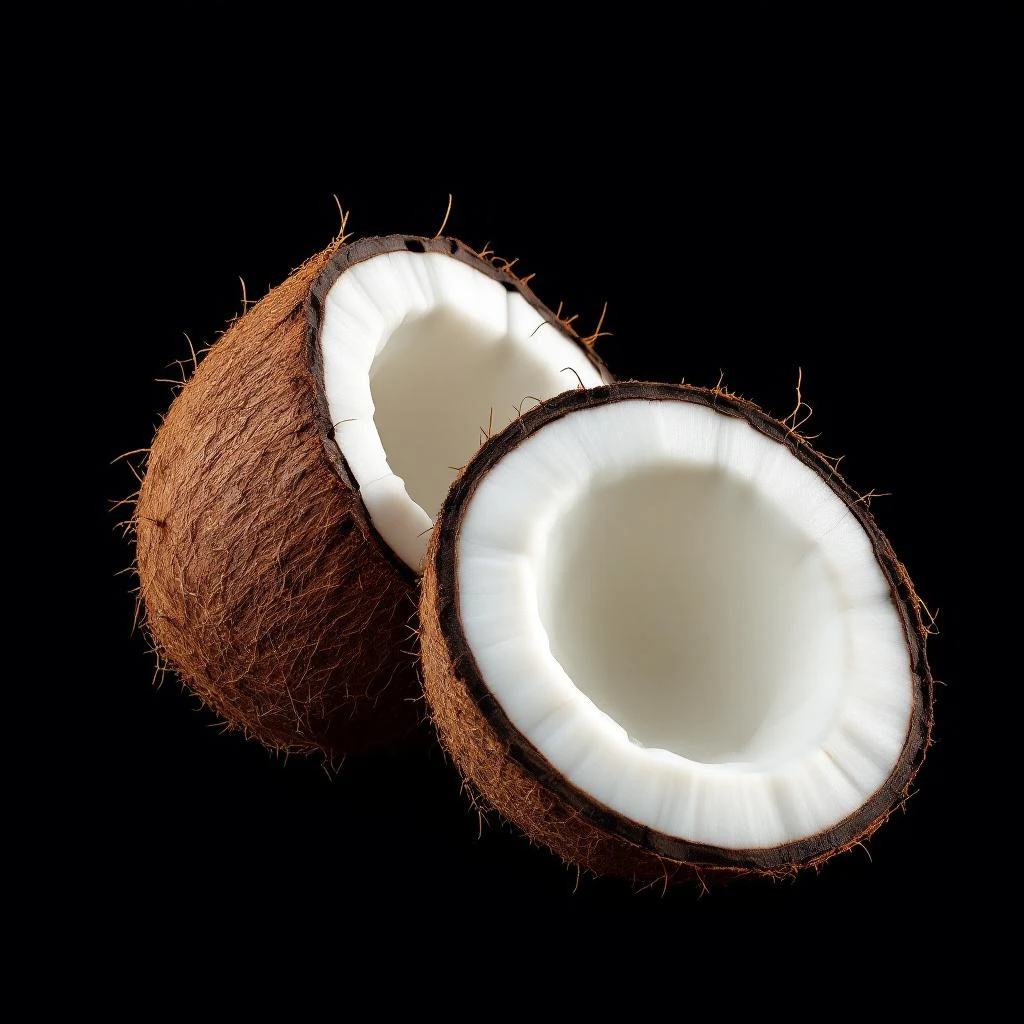
Pink hibiscus blends naturally with tropical notes like椰子, mango, and passion fruit, complements other florals such as茉莉和晚香玉, and gains depth when combined with woods or musks in the base.
Does pink hibiscus grow wild or is it cultivated?
Most perfumery-grade hibiscus comes from cultivated plants specifically grown for extraction. Wild hibiscus grows across tropical regions, but wild-harvested material rarely meets the consistency standards that fragrance production requires.
Can I smell hibiscus in nature to understand the note?
Fresh hibiscus flowers have a subtle, lightly sweet fragrance quite different from the concentrated absolute. For the actual perfumery note, sampling fragrances labeled with hibiscus or requesting a strip at specialty retailers offers the most accurate impression.