The Story
Why it exists.
The beginning
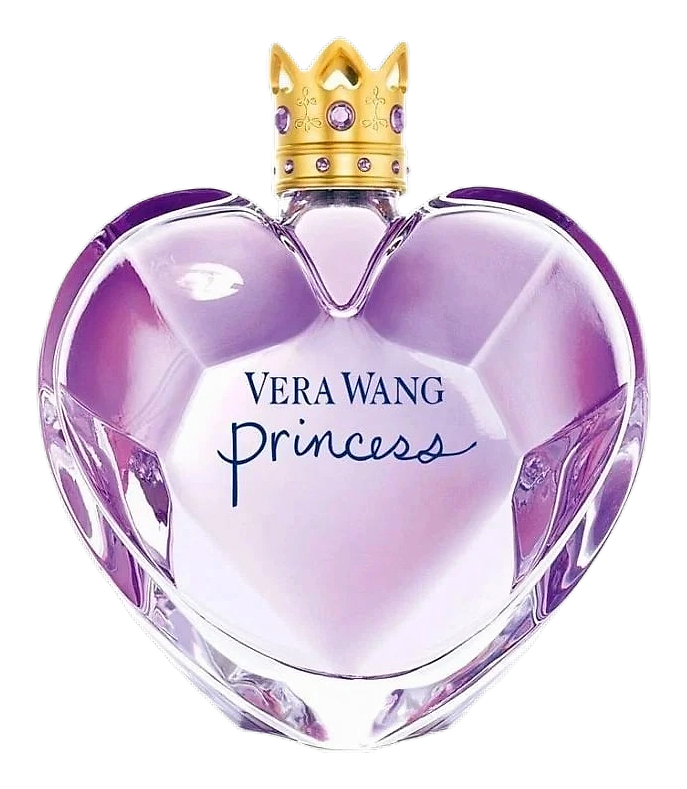
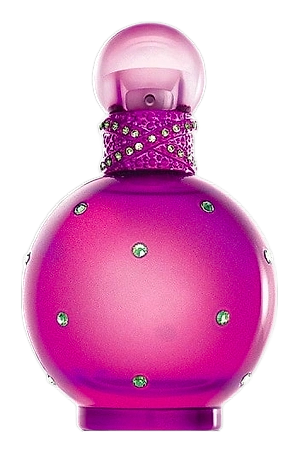
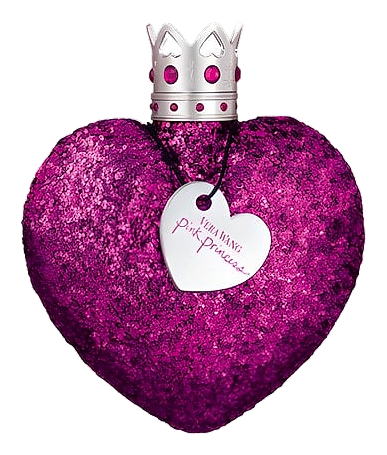
Pink Princess arrived in 2013 as a limited interpretation of the original Vera Wang Princess from 2006. The Princess line had already established itself as the brand's most recognizable fragrance concept, romantic, playful, built around the idea of wearing your inner princess openly. Pink Princess took that premise and shifted the color palette. Pink hibiscus and raspberry moved into the heart of the composition, bringing a tropical warmth that felt distinct from the original. Perfumer Clément Gavarry kept the marshmallow base that had made the line distinctive but added a pink grapefruit opening that felt more tart, more immediate. The result was a fragrance that sounded the same themes as its predecessor but played them in a different key.
The use of pink hibiscus is unusual, it's not a standard heart note in mainstream perfumery, which tends toward rose, jasmine, or tuberose when building floral hearts. Pink hibiscus brings a tropical, slightly acidic sweetness that reads differently than traditional florals. Combined with honeysuckle, which is nectar-heavy and almost honeyed, the heart stays sweet without becoming heavy. The marshmallow in the base gives the drydown a soft, creamy quality that keeps everything intimate rather than loud. It also prevents the finish from becoming powdery in an old-fashioned way.
The evolution
The opening is quick. Pink grapefruit hits first, bright, tart, the kind of citrus that bites back, and the raspberry follows almost immediately, sweet and slightly jammy. Within a short time the florals arrive. Honeysuckle and pink hibiscus take over the heart, softening everything into a warm, tropical sweetness. The raspberry doesn't disappear, it lingers underneath, keeping the florals from going too soft. The drydown is where Pink Princess lives. White amber and marshmallow settle close to the skin, creating a sweet creaminess that stays intimate. The sillage is moderate, present for the wearer without demanding attention from the room. It doesn't need to fill a space to make an impression.
Cultural impact
Pink Princess sits in the sweet-fruity-floral space that Vera Wang's Princess line owns. The original Princess from 2006 established the template, playful, aspirational, unapologetically feminine. Pink Princess is a limited 2013 riff on that concept, adding pink hibiscus and a pink grapefruit opening to shift the color temperature. It's the kind of fragrance that divides opinion in the best way: some people find it exactly what they wanted, others find it too sweet. Both groups are right.