The Story
Why it exists.
The beginning
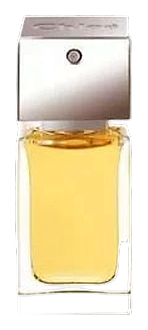
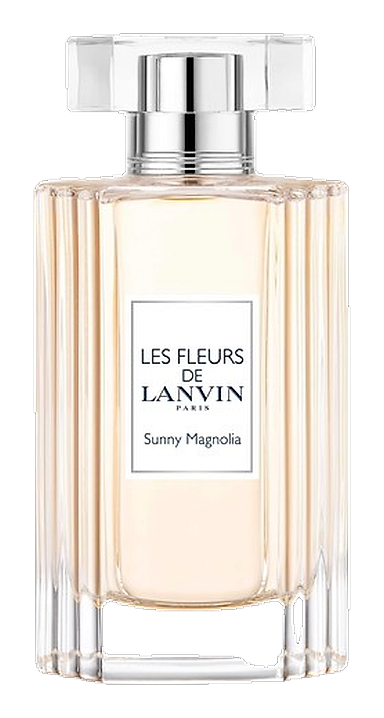
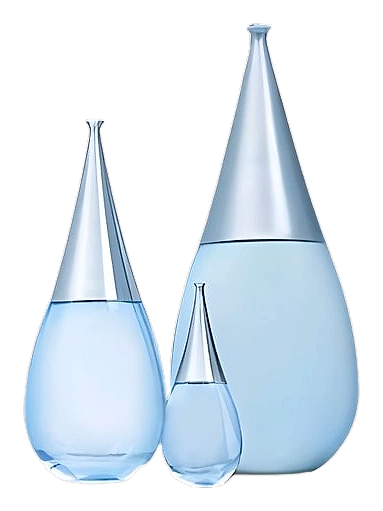
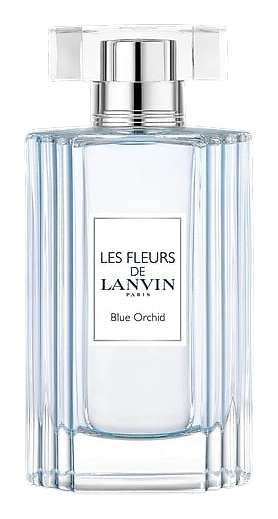
Lanvin created Water Lily as part of the Les Fleurs de Lanvin collection. The flower itself, water lily, is deceptively simple. On paper it sounds like a spa cliché. In execution, it's something else entirely. The perfumer built the composition around two aquatic florals: pink water lily and water jasmine, paired deliberately to create something that feels neither heavy nor nostalgic. The top notes of pink grapefruit and pomegranate do the work of opening the scent with energy and clarity, without tipping into sharp. From there, the heart belongs entirely to the florals, and the base, modern musk and sandalwood, keeps everything wearable and grounded.
What makes Water Lily interesting isn't the notes themselves but how they're handled. Water lily is a delicate material, it doesn't project, it doesn't last long on its own, and it's rarely the headline ingredient in a fragrance. Guéros made a different choice: instead of using water lily as an accent, he built the entire composition around it. The result is a fragrance where the aquatic floral doesn't compete with anything. It simply arrives and stays.
The evolution
The opening arrives fast. Pink grapefruit and pomegranate hit immediately, bright, clean, a little tart without ever crossing into sharp. The citrus gives way as the florals begin their slow takeover. Pink water lily and water jasmine move in together, neither leading, both equally present. This is the most distinctive phase of the fragrance. The florals don't build or evolve dramatically, they settle and stay, maintaining their fresh, dewy quality without ever becoming soapy or synthetic. As the florals begin their quiet exit, the base notes arrive. Musk adds softness and warmth while sandalwood contributes creamy, woody depth. The result is a clean, close finish, skin that smells like it was always this way, not made so. What lingers is pleasant and unobtrusive, something close to the body rather than projected outward.
Cultural impact
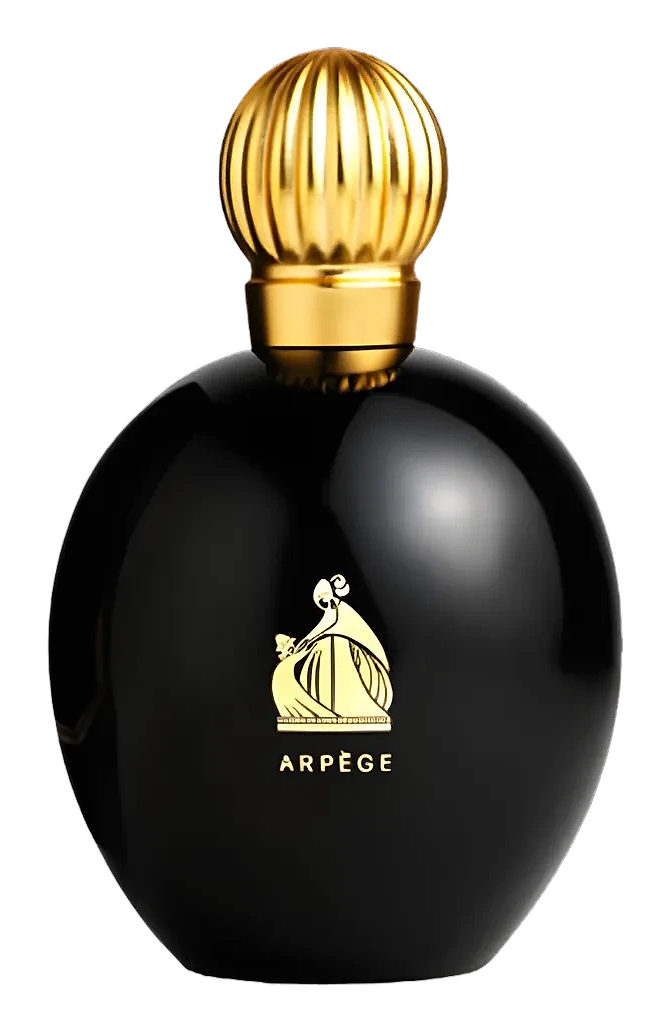
Water Lily occupies a specific space in the contemporary fragrance landscape: an aquatic floral within the Les Fleurs de Lanvin collection that works well in office environments and warm weather without projecting or overwhelming. It doesn't carry the weight of heritage-heavy scents from the same house like Arpège. Instead, it offers a lighter approach, with a focus on restraint and genuine commitment to the water lily as an actual focal point rather than a marketing concept.
The House
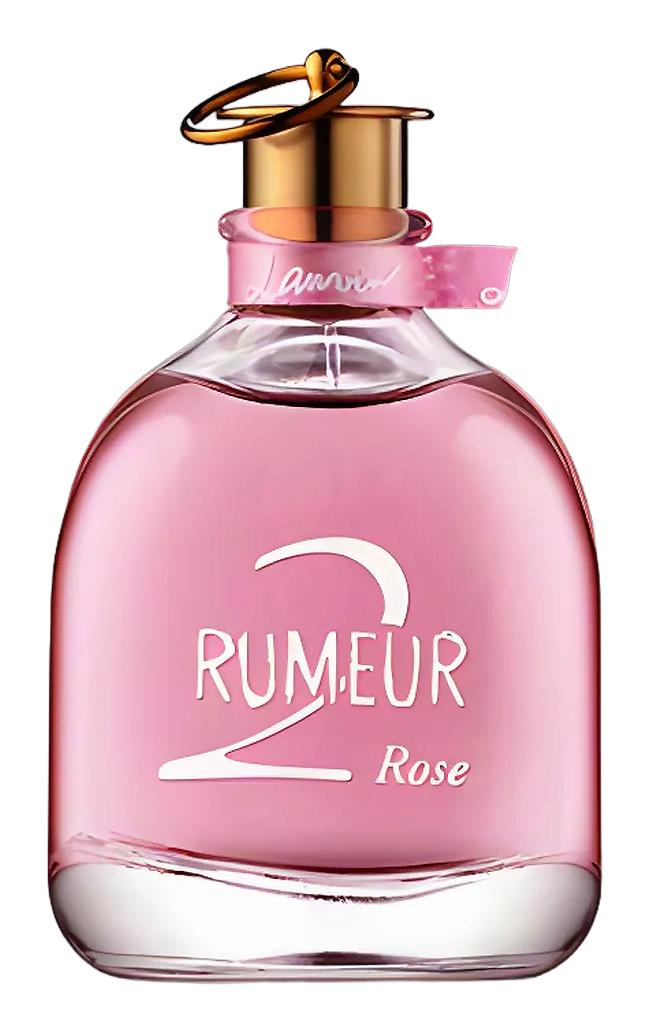
LanvinLanvin stands as one of fashion's most storied houses, tracing its lineage back to 1889 when Jeanne-Marie Lanvin opened her first millinery boutique in Paris. Today it holds the distinction of being the oldest continuously operating French fashion house. The brand's perfumery arm, Lanvin Parfums, established in 1924, has produced some of the most evocative fragrances of the 20th century, from the landmark Arpège to timeless scents like Vetyver, Rumeur, and Eau de Lanvin. Under the stewardship of Lanvin Group since 2018, the house continues to honor its founder's vision while navigating a new chapter in its distinguished history.
The Creator
Pierre-Constantin GuérosGuéros’s style blends classic French structure with an adventurous use of modern synthetics. He often starts with a clear base—cedar, sandalwood or leather—then introduces unexpected accents such as metallic ionics, lab‑grown ambergris or rare resins from Madagascar.