The Story
Why it exists.
The beginning
Masaki Matsushima's fragrance house favors simplicity over statement. Suu arrived in 2008 as part of this philosophy, designed by perfumer Jean Jacques. The scent leans tropical, built around starfruit as its primary note, with supporting elements of pear and grapefruit in the opening moments. A lotus heart anchors the composition, bringing an aquatic floral quality that rounds out the sweetness without adding weight. Crystal musk and cedar form the base, keeping everything grounded and close to the skin rather than filling a room. The overall effect is clean, bright, and restrained, a fragrance that asks you to notice it rather than announcing itself.
Starfruit anchors the top notes here, giving Suu its tropical character without tipping into sweetness overload. The fruit is unusual for mainstream perfumery, lending an exotic quality that feels more natural than synthetic. Pear and grapefruit accompany it, the grapefruit providing clean tartness that prevents the composition from becoming cloying, while the pear adds softness and watery freshness. Together they create an opening that reads as bright and diffuse, a gentle awakening rather than a bold entrance.
The evolution
Pear and grapefruit introduce the opening, their clean tartness softened by starfruit's peculiar sweetness. The combination moves from bright to tropical, settling into something calmer as the fruit notes integrate. The lotus heart arrives with jasmine, softening the sweetness into something more air-like and refined. Cedar emerges as the fragrance develops, adding woody depth that prevents the sweetness from becoming overwhelming. The drydown brings crystal musk, creating an intimate finish that remains close to the skin. What results is a fragrance that moves through distinct phases without sharp transitions, each stage blending naturally into the next. The overall effect is gentle and lingering, the kind of scent you notice when you raise your wrist to check the time.
Cultural impact
Suu arrived during a period when fruity-fresh fragrances dominated the market, many of them competing on projection and presence. Suu took a different approach, offering tropical notes without the loudness that often accompanies them. The fragrance found its place among those who wanted something distinctive without becoming the center of attention. Starfruit and lotus give it an unusual character for the category, while the cedar base keeps the sweetness grounded and intimate. It remains a quiet choice in a loud landscape, appealing to wearers who prefer discovery over declaration.
The House
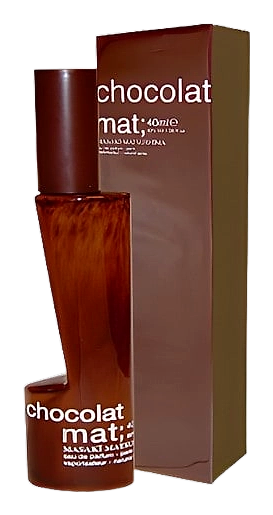
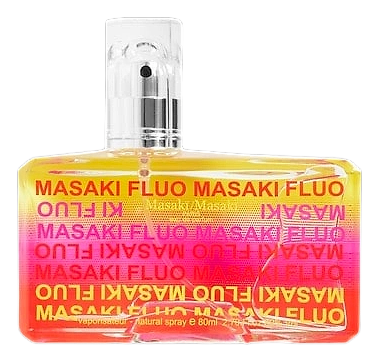
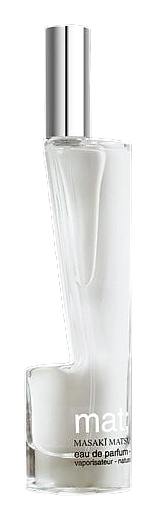
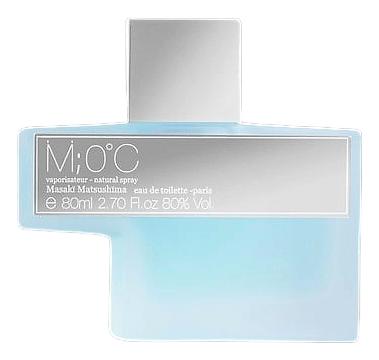
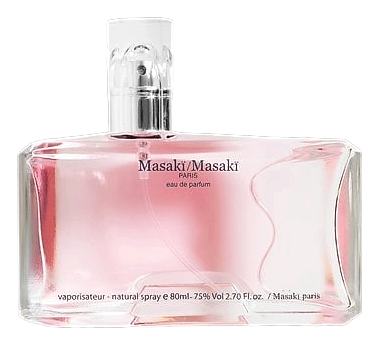
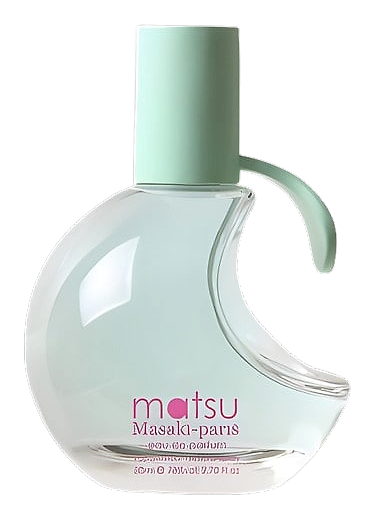
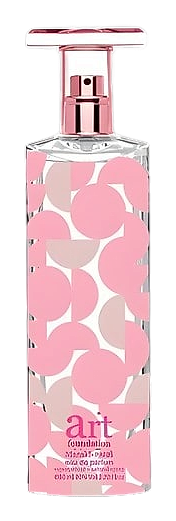
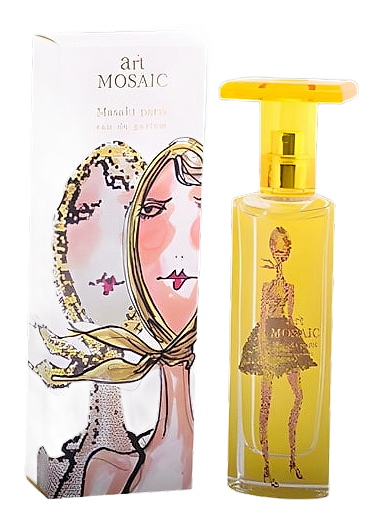
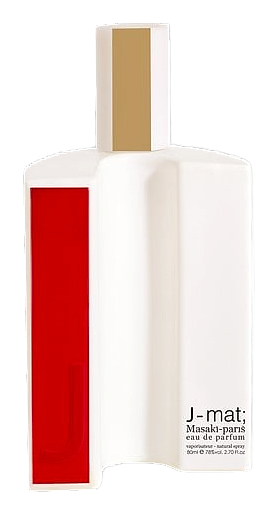
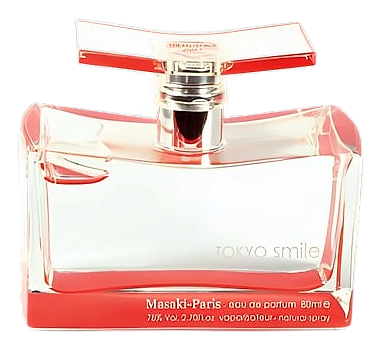
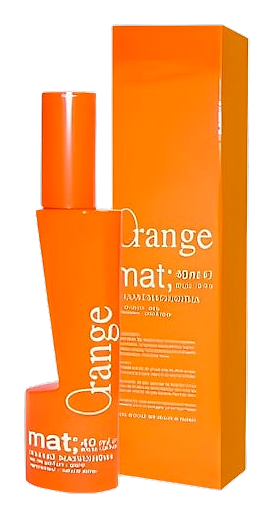
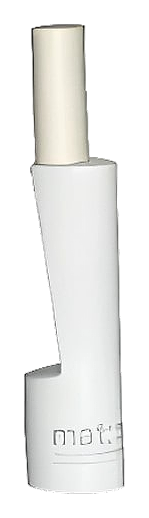
Masaki MatsushimaMasaki Matsushima is a Japanese‑born designer who turned his fashion sensibility toward fragrance at the turn of the millennium. The brand, often styled as Masakï, offers a compact catalogue of scents that blend minimalist aesthetics with a distinctly Japanese sense of colour and texture. Each perfume carries a simple label—mat; white, mat; orange, Aqua Platinum—and invites collectors to explore subtle shifts in mood rather than overt statements. The line sits at the intersection of Tokyo’s design culture and the craftsmanship of a French perfumery partner, delivering a quiet confidence that feels both contemporary and rooted in tradition.
The Creator
Jean JacquesJean Jacques favors classic bases built on fine woods, amber, and subtle florals. He often begins with a mineral or citrus spark, then adds a heart of rose or jasmine that sings under a warm, resinous dry-down.