Starfruit
Starfruit brings a tart, juicy brightness to fragrance, capturing the crisp snap of biting into a ripe carambola on a warm afternoon. The note reads sharp and slightly tropical, with a green edge that lifts heavier compositions.
Character
How it smells
Tropical snap in a single slice
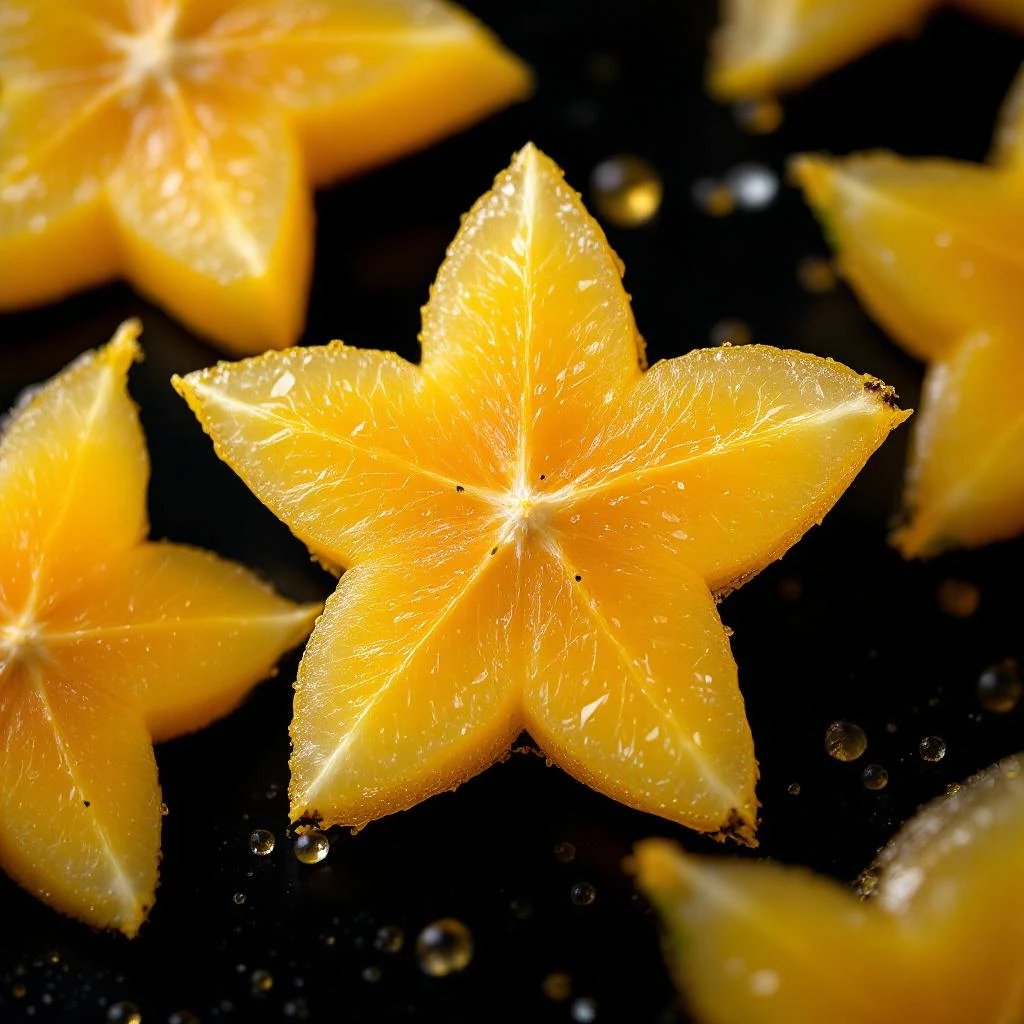
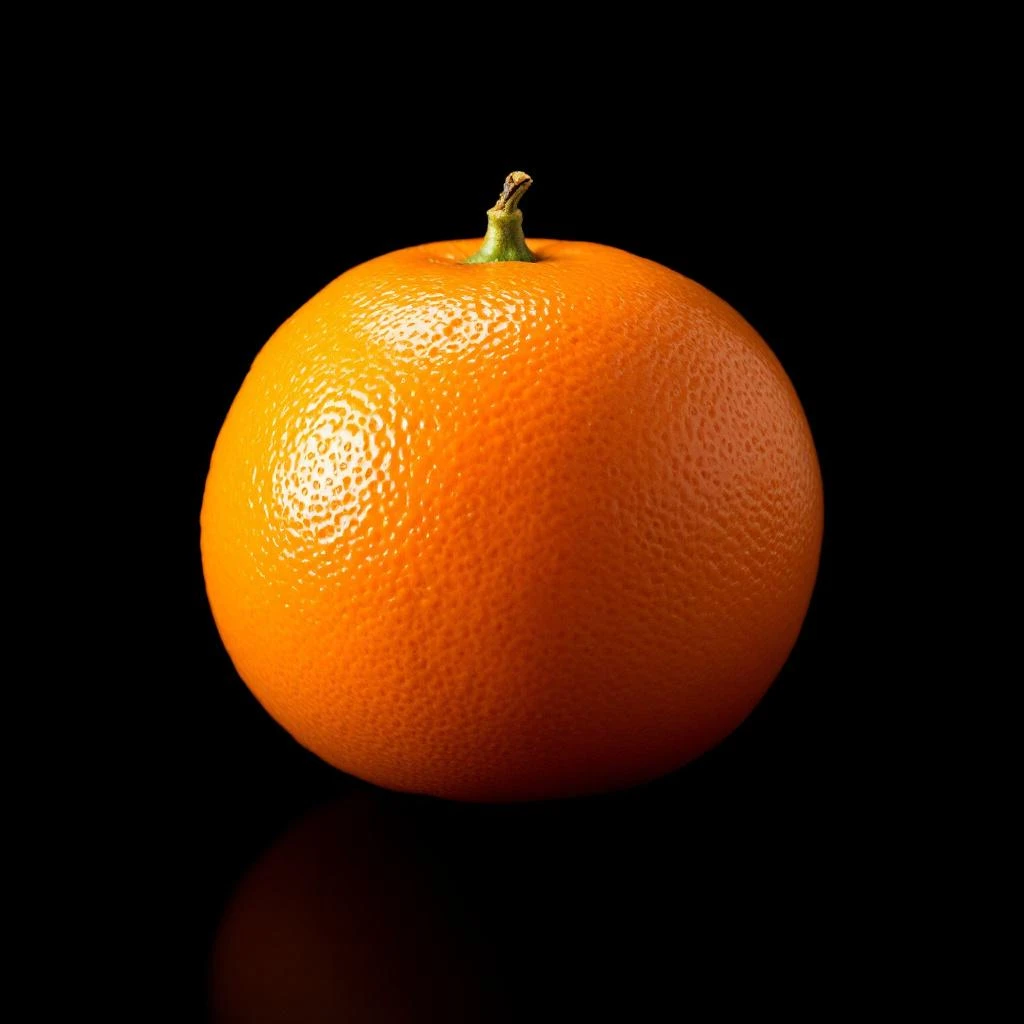
Starfruit, or carambola, is native to Sri Lanka and the Moluccas, and it is one of the few fruits whose five ridges leave a perfect star when sliced crosswise.








Origin
Sri Lanka
The carambola tree, Averrhoa carambola, originated in tropical Southeast Asia, most likely Sri Lanka, the Moluccas, or southern India, and it spread eastward across Malaysia and into southern China well before written record. Travelers carried it through the Malay Archipelago, where it became a cultivated orchard fruit by the time Portuguese and Dutch traders documented it in the 1500s. The fruit entered European botanical knowledge through these colonial networks, though it never became a major perfumery raw material the way citrus fruits did.
Its appearance in modern fragrance composition is a recent development, tied to the broader synthetic revolution in perfumery that began in the late nineteenth century. As aroma chemists mapped the volatile compounds responsible for its sharp tropical character, starfruit became available as a reconstructed note, a fresh, bright element that perfumers could weave into tropical and fruity floral compositions.
Wears it best
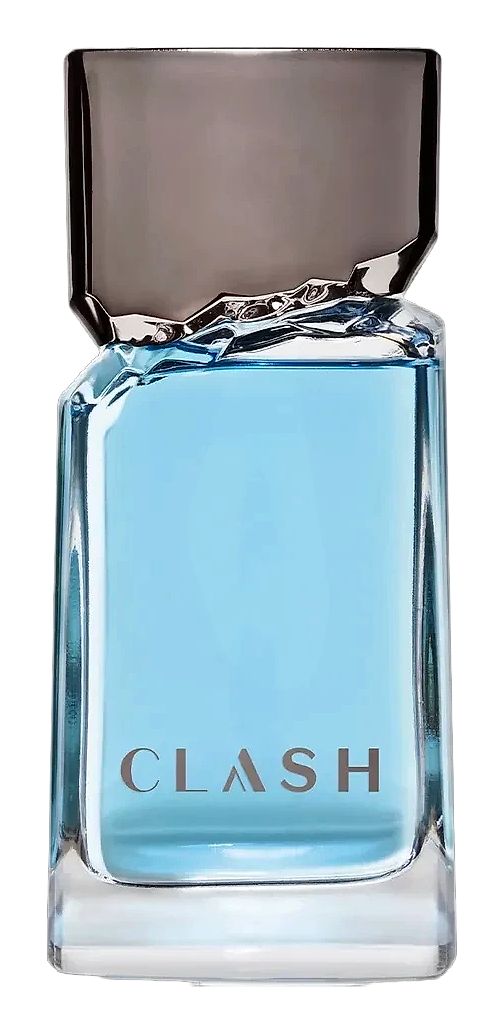
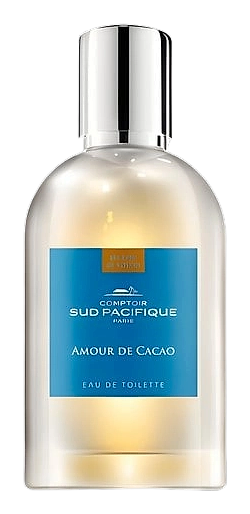
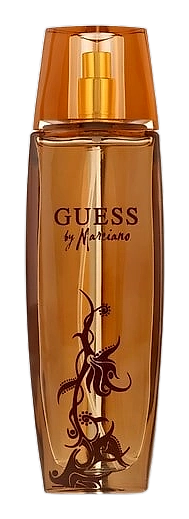
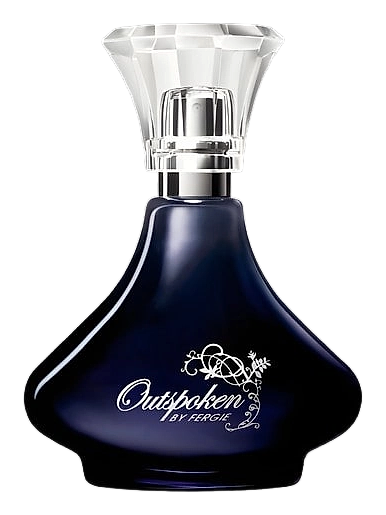
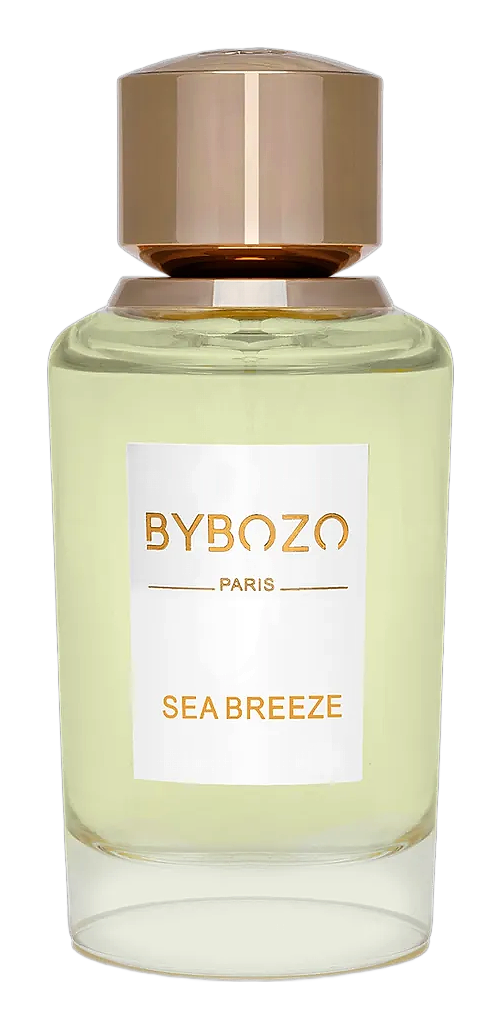
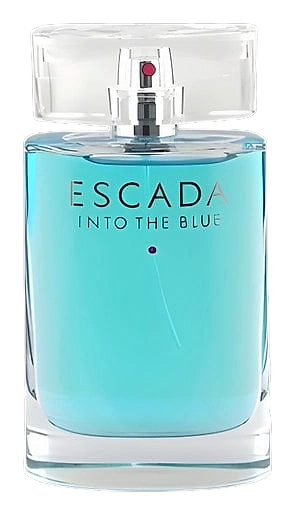
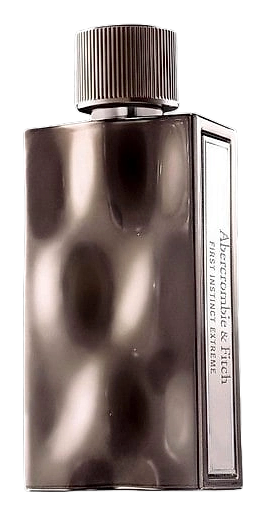
Fragrances featuring Starfruit




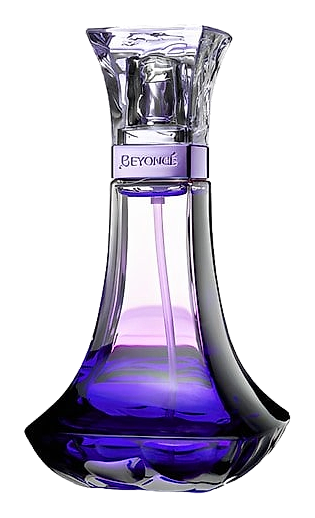
Brands
Brands known for Starfruit
Good to know
Questions, answered
The essentials on Starfruit in perfumery: how it smells, where it comes from, and how it behaves on skin.
What does starfruit smell like in perfume?
Starfruit smells tart, juicy, and slightly tropical with a crisp green edge, similar to biting into a ripe carambola. The note reads brighter and more acidic than apple or pear, with a subtle floral undertone.
Is starfruit a natural or synthetic fragrance ingredient?
Most starfruit notes in commercial perfumery are synthetic reconstructions built from isolated fruit esters like ethyl 2-methylbutyrate. Natural extraction yields very little oil, so compounded accords dominate the market.
Where does starfruit originate?
Starfruit, also called carambola, is native to tropical Southeast Asia, most likely Sri Lanka and the Molucca Islands. It spread across Malaysia and southern China long before being documented by European traders in the 1500s.
Is starfruit safe to eat and use in fragrance?
The fruit is edible but contains high oxalic acid, which can be harmful to people with kidney conditions. In fragrance, the note is delivered through synthetic aroma chemicals that carry no such health risk.
What fragrance families feature starfruit?
Starfruit appears most often in fruity, tropical, and fresh floral compositions where its sharp green character can lift heavier base notes. It pairs naturally with coconut, white florals, and citrus accords.
How long does starfruit note last on skin?
Starfruit is a top note with high volatility, typically lasting 15 to 30 minutes before fading. Perfumers anchor it with base notes like musk or sandalwood to extend its presence in the overall composition.
When was starfruit first used in perfumery?
Natural starfruit has rarely been used in perfumery historically. Its appearance as a fragrance note is recent, emerging after the late 19th century synthetic revolution when aroma chemists identified its key volatile compounds.
Can starfruit be extracted naturally for perfume?
Yes, but with difficulty. Solvent extraction of ripe carambola yields a concrete that can be washed into an absolute, though the high oxalic acid content and low oil volume make natural extraction commercially impractical for most producers.