Pink Water Lily
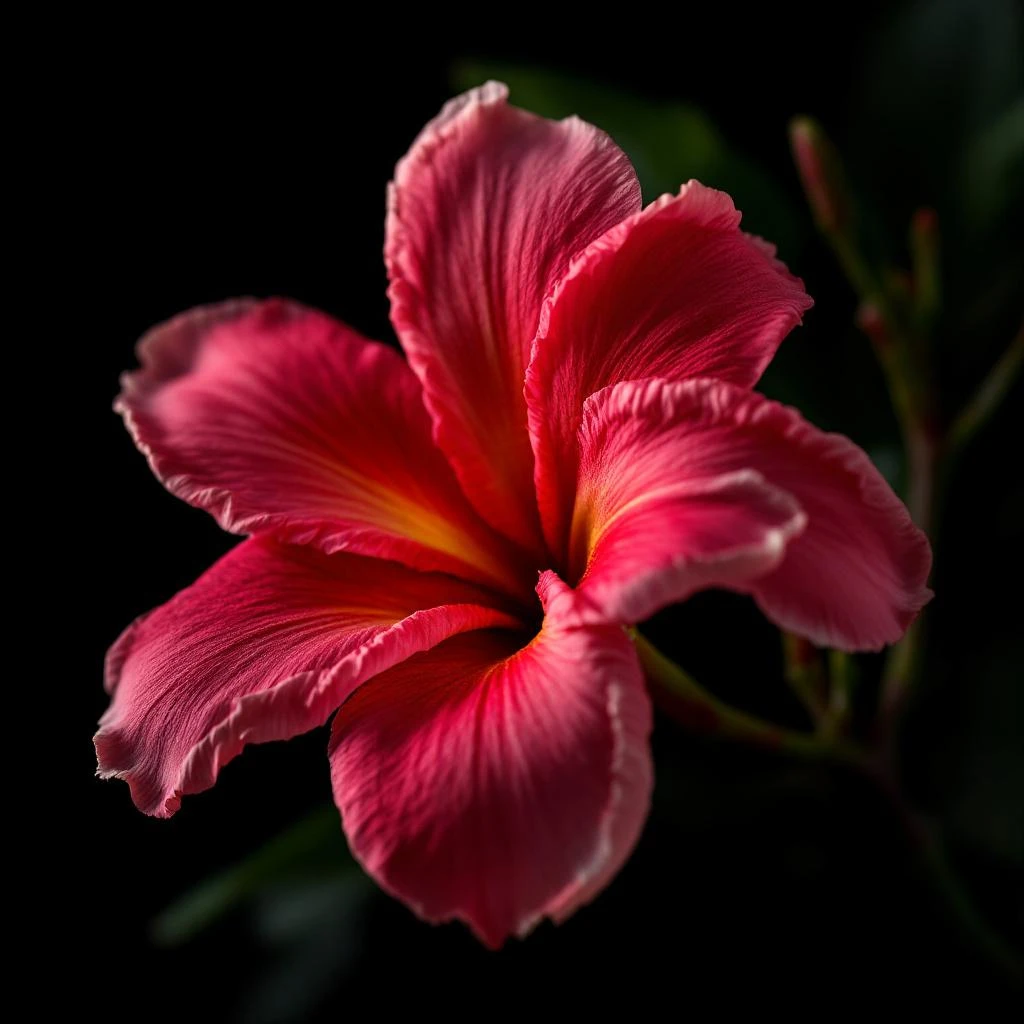
Pink Water Lily captures the quiet elegance of still water gardens. Its fragrance carries a gentle sweetness, softer than land-growing lilies, with a clean aquatic undertone that evokes floating petals at dawn.

Character
How it smells
Soft sweetness from still waters
Water lilies float on lakes but their roots anchor in underwater mud, giving their scent a rare dual quality: both fresh and grounded.





Origin
India
Water lilies held sacred status across ancient civilizations. Egyptian tomb paintings from 1500 BCE depict blue and pink lotuses as symbols of creation and rebirth. Hindu tradition elevates the water lily as a symbol of purity, with the goddess Lakshmi often depicted standing on a pink lotus.
The Victorian era sparked European interest in aquatic gardens, introducing water lilies to ornamental ponds across England and France. Perfumery applications for water lily developed alongside modern extraction technology in the 20th century. Before chemistry advanced, perfumers used lily water and enfleurage techniques to capture floral notes.
The delicate nature of the flower made extraction challenging, limiting its use to luxury preparations. Contemporary perfumers access Pink Water Lily through both natural absolutes and sophisticated synthetics, bringing its serene character to modern compositions.
Wears it best
Fragrances featuring Pink Water Lily
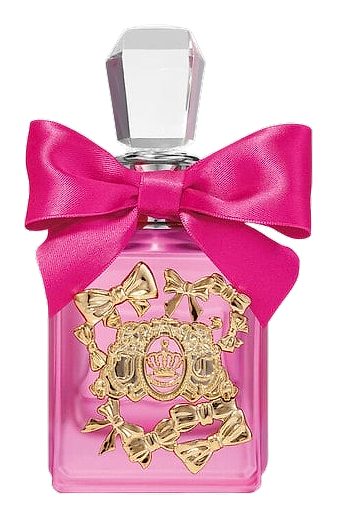

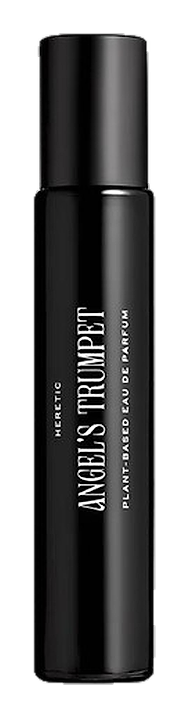
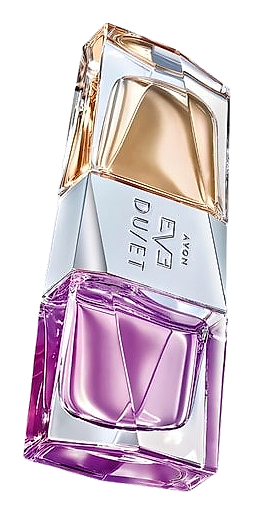
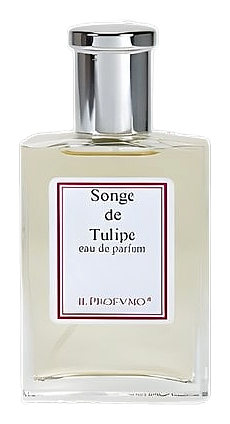
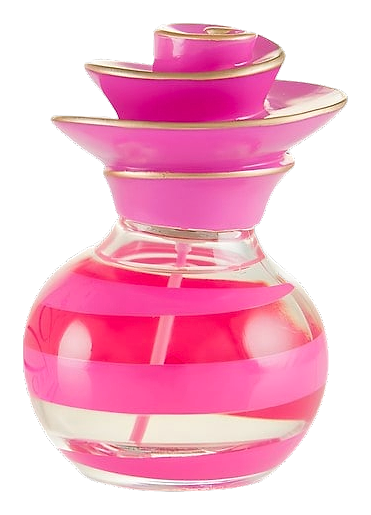
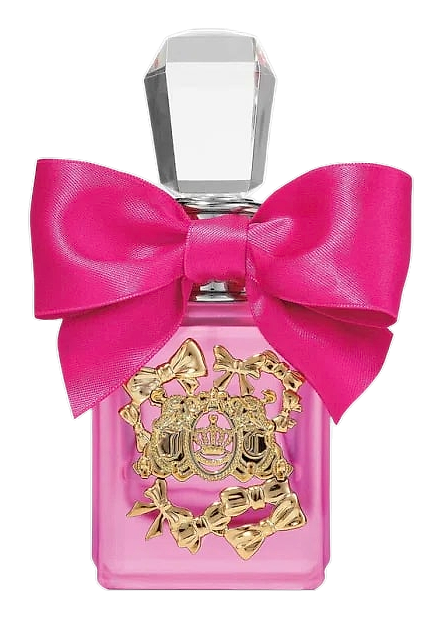
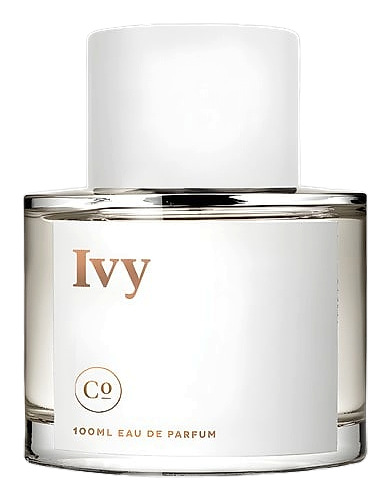
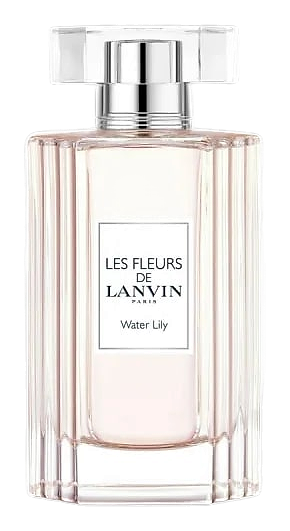
Brands
Brands known for Pink Water Lily
Good to know
Questions, answered
The essentials on Pink Water Lily in perfumery: how it smells, where it comes from, and how it behaves on skin.
How do perfumers extract Pink Water Lily scent?
Solvent extraction is the primary method. Producers soak harvested petals in hexane to dissolve aromatic compounds, then remove the solvent to produce a concrete. Washing this concrete with alcohol yields the fragrant absolute. Synthetic reproduction using laboratory molecules like phenylacetaldehyde is equally common.
Why is Pink Water Lily often synthetic in perfumery?
Natural extraction yields very little. A single flower produces minimal fragrant oil, and cultivation requires extensive water resources. Synthetics provide consistent scent profiles without harvest variability, allowing perfumers to use the note at scale across fragrance lines.
What does Pink Water Lily smell like?
The scent blends gentle floral sweetness with a clean aquatic undertone. Unlike stronger lilies, it reads as delicate and subtle. The aquatic quality comes from the flower's water environment, giving it a fresher, cooler character than land-growing flowers.
Which countries produce natural Pink Water Lily for perfumery?
India, Thailand, and Egypt cultivate water lilies commercially. India has a strong tradition of growing them for religious offerings, making it a practical source for perfumery extraction when demand warrants natural material.
Is Pink Water Lily the same as Lily of the Valley?
No, they differ significantly. Water lily grows in aquatic environments with large floating blooms. Lily of the Valley is a land plant with small bell-shaped flowers. Their scent profiles differ, with water lily offering softer, sweeter characteristics.
When did water lily enter perfumery?
Water lily appeared in perfumery during the 20th century as extraction technology improved. Before modern solvents, the delicate petals resisted traditional methods like steam distillation. Synthetics developed in the 19th century eventually enabled reliable reproduction.
What fragrance families use Pink Water Lily?
Floral and aquatic compositions feature Pink Water Lily most often. Perfumers use it to add soft, feminine sweetness without overwhelming other notes. It appears in modern chypres, white florals, and fresh aquatic fragrances.
How does Pink Water Lily contribute to a fragrance composition?
It acts as a bridging note between aquatic and floral elements. The gentle sweetness softens sharper top notes while supporting heart florals. Its subtlety makes it a supporting character rather than a focal point in most formulations.




