The Story
Why it exists.
The beginning
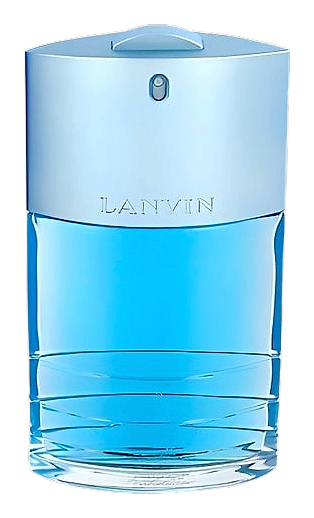
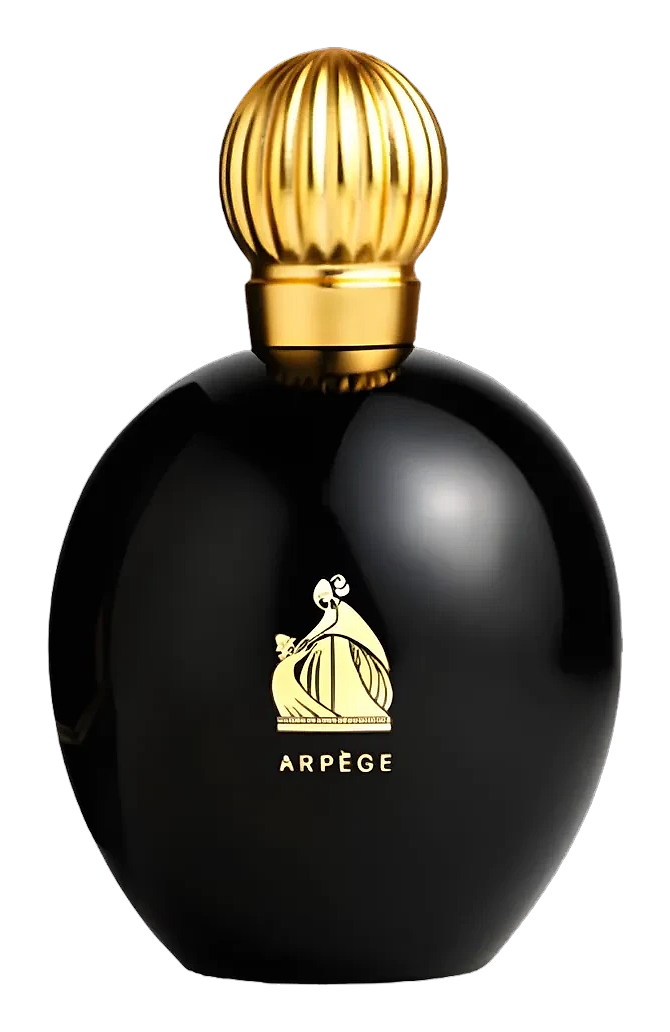
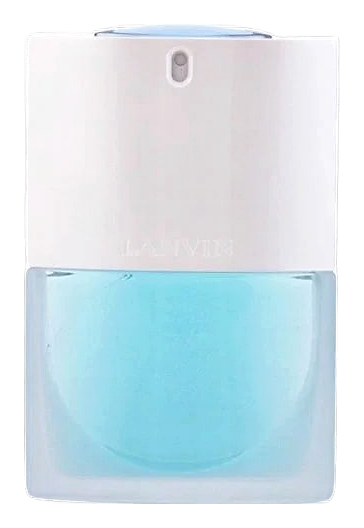
Alberto Morillas designed Oxygène in 2000, with the intent of translating fresh air into a bottle. What made this release significant was timing. The house had been defined by Arpège since 1927, a landmark fragrance for the Lanvin house. Oxygène wasn't meant to replace it. Instead, it offered that same quality of refinement, reframed for a new generation that wanted something immediate and wearable without sacrificing elegance. The result was a fragrance that felt like a clear morning, like taking a deep breath of something clean and unencumbered. It invited the wearer into Lanvin's world without demanding the full commitment of the house's more historic offerings.
The milk-gardenia combination is the unusual move here, and it pays off. The gardenia brings a creamy, almost lactonic quality that softens the expected sharpness of white florals. The milk note doesn't smell like dairy, it reads as warmth, as softness, as the absence of anything harsh. Rose adds a powdery, quiet dimension that keeps everything grounded. White sandalwood in the base ensures the drydown doesn't disappear entirely. Together, these notes create something that feels transparent without being thin, soft without being weak.
The evolution
The opening combines bergamot and white pepper, creating a clean, sparkling quality that carries through the initial moments. Then gardenia and rose emerge, with rose's powdery warmth tempering gardenia's creaminess into something softer and more floral. The drydown settles close, with sandalwood and musk creating an intimate warmth that stays near the skin rather than projecting outward. It's not a fragrance that announces itself. It's the one you notice when someone leans in. Bergamot's citrus spark cuts through white pepper's clean spice, and the combination creates an opening that feels bright and cool. As the heart develops, gardenia blooms into something creamy and warm, while rose arrives quietly, powdery, gentle, never loud. The milk note keeps everything soft, preventing the florals from becoming too sweet.
Cultural impact
Oxygène carved a specific space for the woman who wants Lanvin's heritage but finds Arpège too much. It offered an accessible entry point into a storied house. Rather than pursuing transparency through marine notes, it distinguished itself through creamy florals, creating a different kind of fresh that felt warmer and more inviting than the aquatics that dominated its era. The fragrance found its audience among those who wanted something from Lanvin but weren't ready for everything Arpège offered.