Indian white pepper
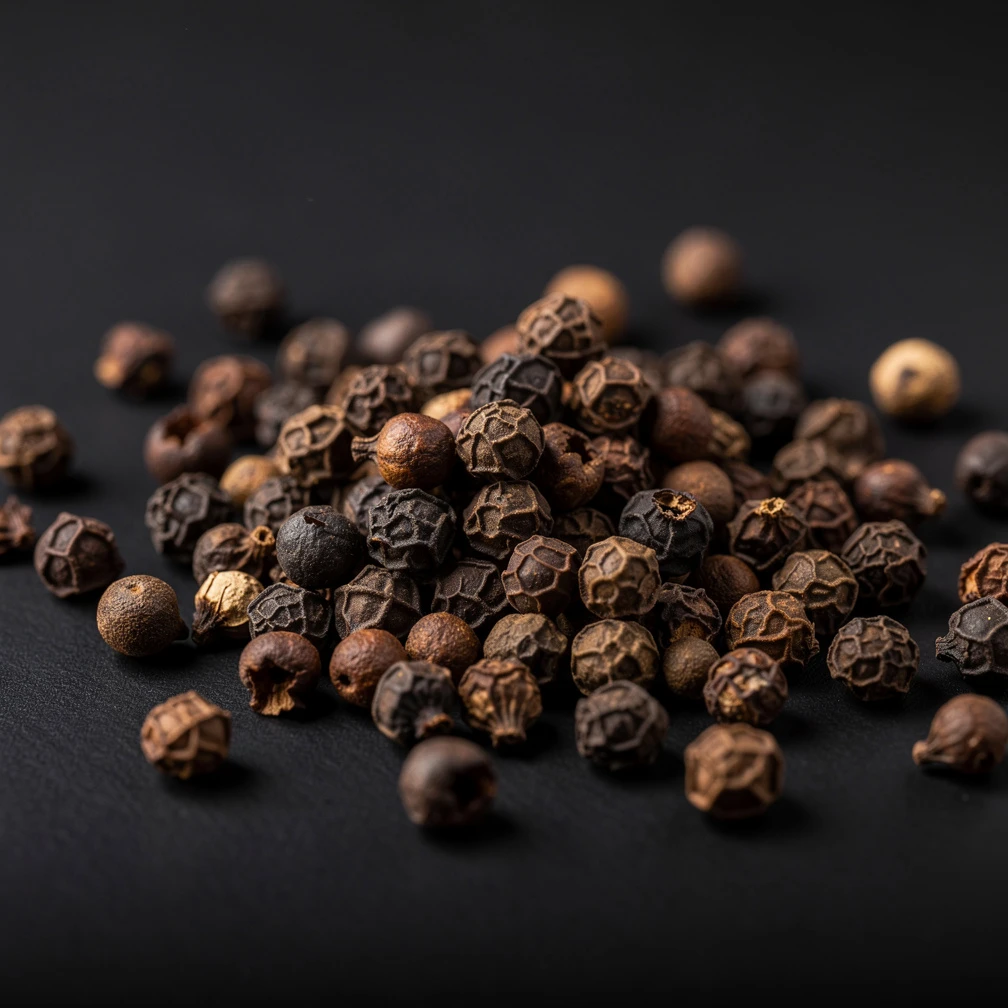
Indian white pepper brings a refined, sharp spice to perfumery. Derived from the fully ripened berries of Piper nigrum, it offers a cleaner and more aromatic character than its black counterpart, with bright citrus, pine, and warm aromatic notes that add crisp sophistication to fragrance compositions.
Character
How it smells
The refined spice of ancient trade routes, reimagined for modern fragrance.
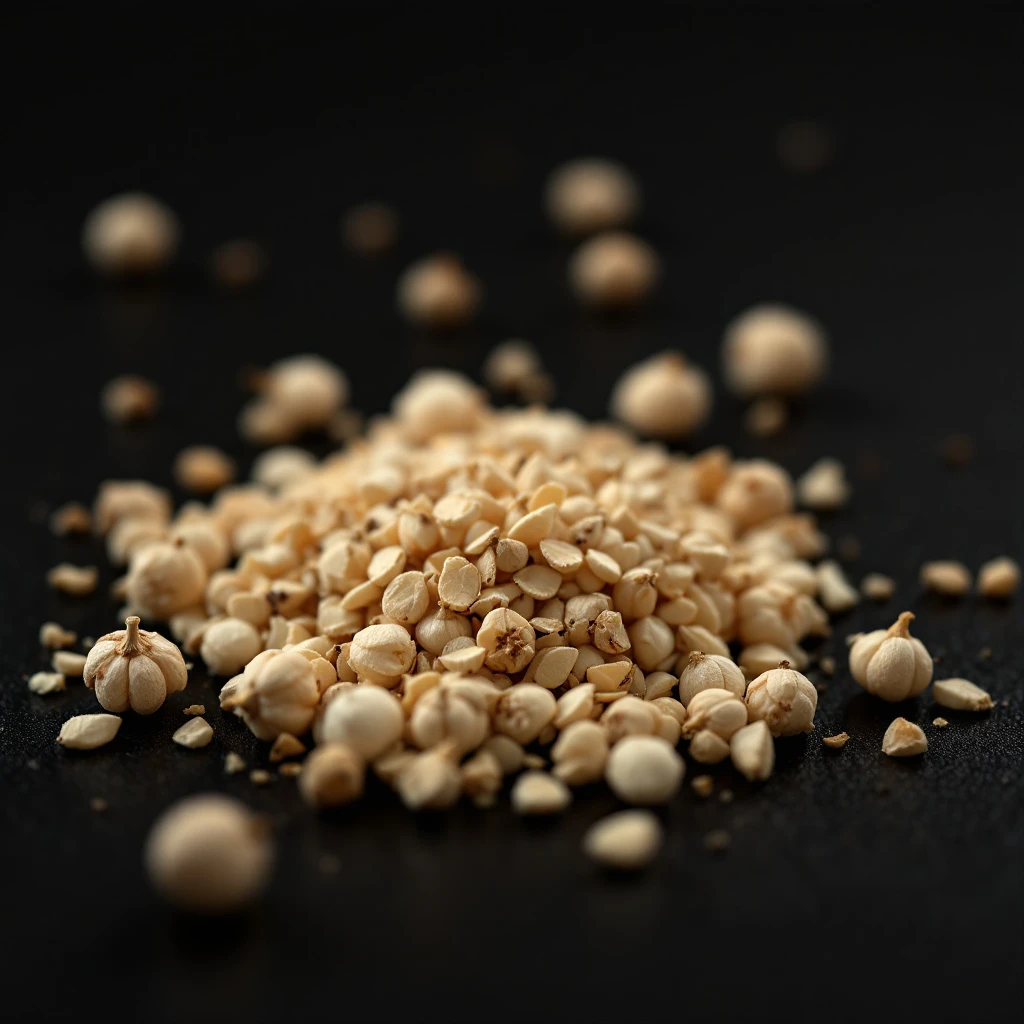
White pepper is simply black peppercorn with the outer dark hull removed through soaking and drying, revealing a pale inner seed with a cleaner, more aromatic scent profile.





Origin
India
India has been the heart of the pepper trade for millennia, with the Malabar Coast (modern-day Kerala) serving as the legendary source of this prized spice since ancient times. The Harappan civilization, thriving over 5,000 years ago, was already extracting aromatic plant materials, establishing India's position as one of the world's oldest perfumery traditions. White pepper held particular significance in the ancient Ayurvedic system known as Gandhasastra, where aromatic materials were classified not only by scent but by their therapeutic properties.
During the medieval period, Indian pepper along with other spices sparked extensive trade routes connecting India to Rome, Arabia, and eventually across the Indian Ocean to Southeast Asia. The spice commanded such value that it was sometimes used as currency. While black pepper dominated the culinary trade, white pepper with its refined character found its way into incense and aromatic preparations of ancient India.
Today, India's white pepper remains highly regarded in perfumery, carrying the weight of centuries of aromatic tradition into contemporary fragrance compositions.
Wears it best
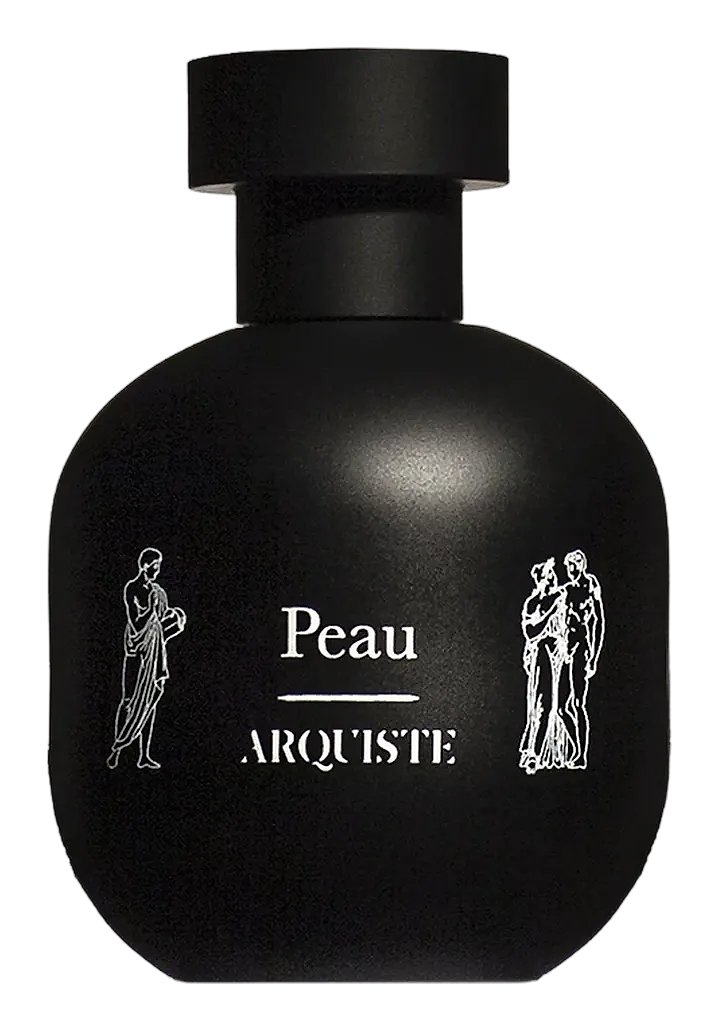
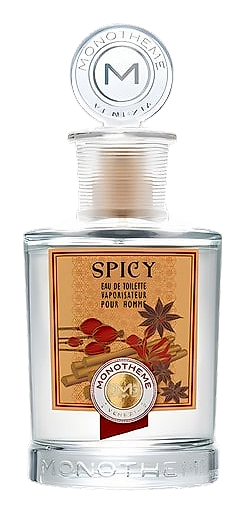
Fragrances featuring Indian white pepper

Brands
Brands known for Indian white pepper
Good to know
Questions, answered
The essentials on Indian white pepper in perfumery: how it smells, where it comes from, and how it behaves on skin.
What does Indian white pepper smell like in fragrance?
It delivers a clean, sharp spice with warm aromatic undertones, subtle citrus brightness, and faint pine notes. The scent is more refined and less earthy than black pepper, adding crisp sophistication to fragrance compositions.
How is Indian white pepper different from black pepper in perfumery?
White pepper comes from the same plant but the outer hull is removed before drying, yielding a cleaner, more aromatic character. Black pepper carries earthier, smokier depth while white pepper offers sharper, more refined spiciness.
What fragrance families use Indian white pepper?
It appears frequently in oriental, woody, and spicy fragrances as both a top and heart note. Fragrance designers use it to add immediate spicy brightness and warm aromatic depth without heaviness.
Where in India is white pepper sourced for perfumery?
The finest Indian white pepper comes from Kerala's Malabar Coast and Karnataka's regions, where the warm, humid climate and laterite soil produce Piper nigrum berries with exceptional aromatic complexity.
How is white pepper extracted for perfumery use?
The dried white peppercorns undergo steam distillation or CO2 supercritical extraction. Steam distillation yields a pale essential oil, while CO2 extraction captures a broader aromatic profile for more complex fragrance applications.
Is Indian white pepper a natural perfumery ingredient?
Yes, it is entirely natural, derived from the fully ripened berries of Piper nigrum after hull removal. This distinguishes it from synthetic spiced alternatives and allows perfumers to work with authentic aromatic compounds.
What role does white pepper play in fragrance pyramids?
As a top note, it provides an immediate spicy lift and crisp opening. When used as a heart note, it adds warmth and complexity that bridges the opening with the base, contributing to the fragrance's overall character.
How long has white pepper been used in Indian perfumery?
Indian aromatic traditions, documented as Gandhasastra, date back thousands of years. The Malabar Coast supplied pepper to ancient civilizations, and its refined white form held particular significance in traditional aromatic preparations.