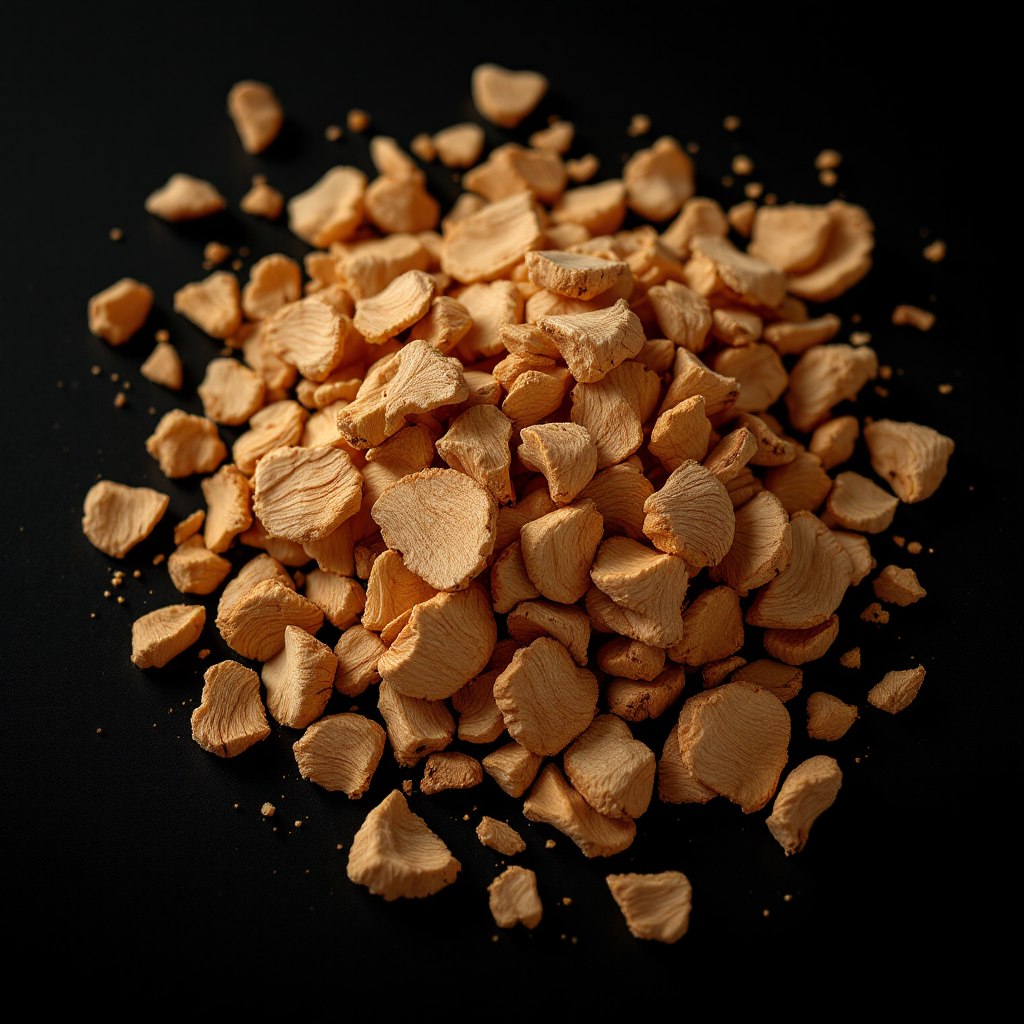
White Sandalwood
A sacred wood with creamy, warm sweetness. White sandalwood delivers soft woody depth and a milky trail that has anchored perfumery for millennia, now treasured for its rarity and the patience required to grow it.
Character
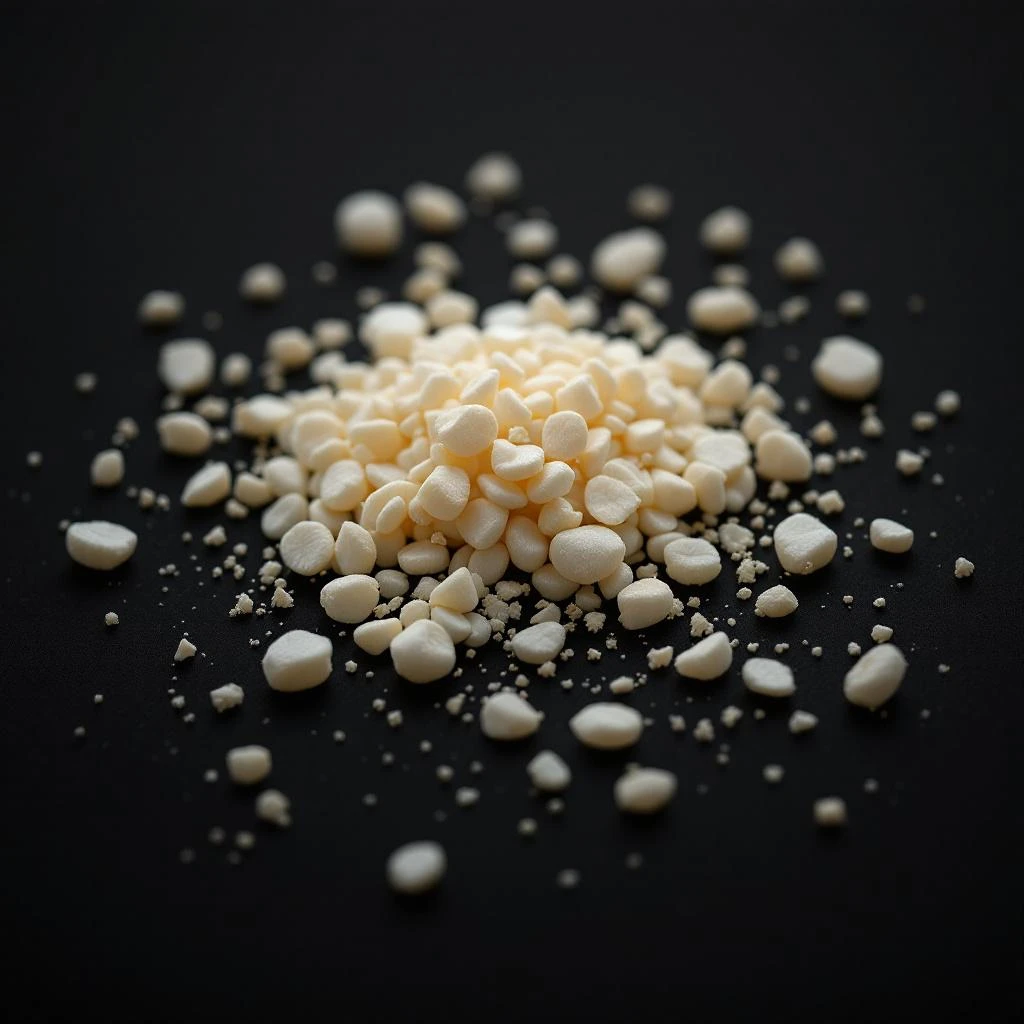
How it smells
Sacred, creamy wood with ancient roots.
Santalum album parasitizes the roots of up to 300 neighboring plant species during its early growth, yet causes no major harm to its hosts.







Origin
Indonesia
White sandalwood traces its origins to the dry, tropical regions of Southeast Indonesia, likely Timor and Sumba. Austronesian sailors introduced the tree along ancient maritime trade routes, with Santalum album reaching South India by 1300 BCE.
The Sanskrit-derived name chandanam translates to wood for burning incense, reflecting millennia of ritual use. Hindu, Buddhist, Jain, and Zoroastrian traditions all incorporated sandalwood paste for sacred ceremonies and blessings.
By the 19th century, modern perfumery embraced this precious material, though overexploitation throughout the 20th century pushed wild Indian sandalwood to the brink of extinction. Today, sustainably managed plantations in Australia and Sri Lanka supply the fragrance industry while conservation efforts protect remaining wild populations.
Wears it best
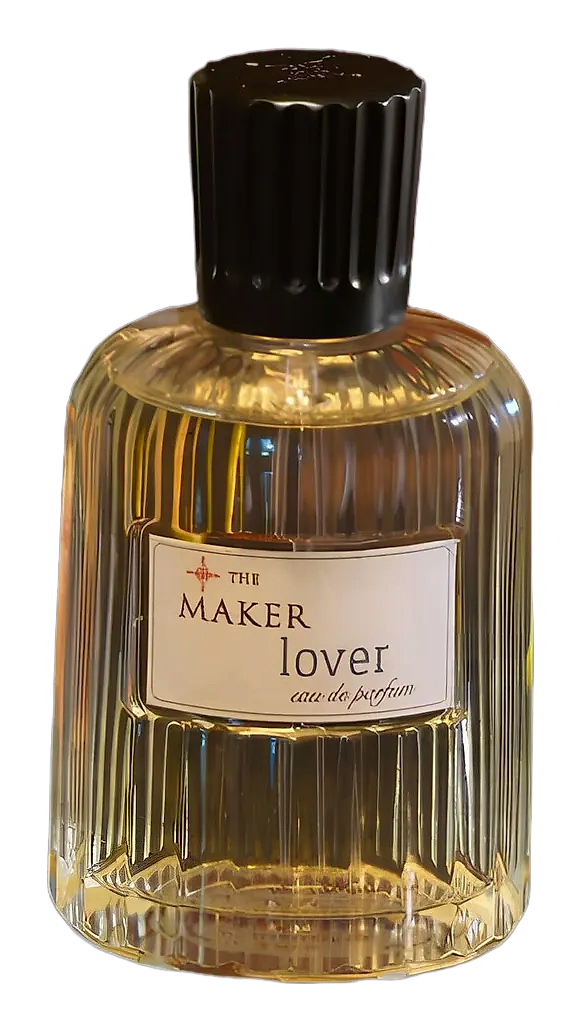
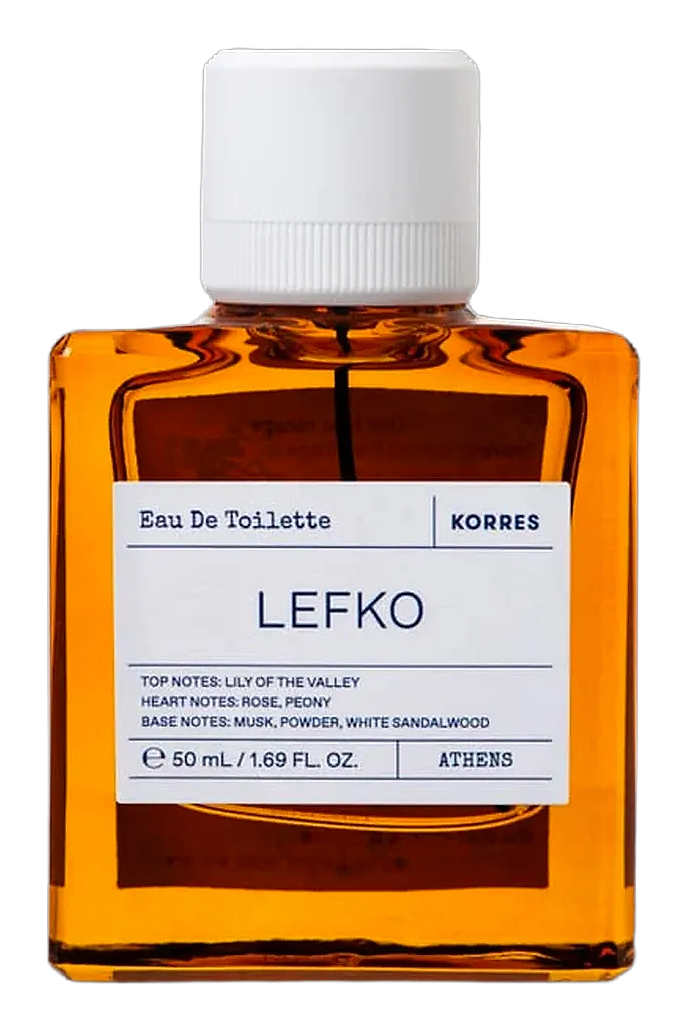
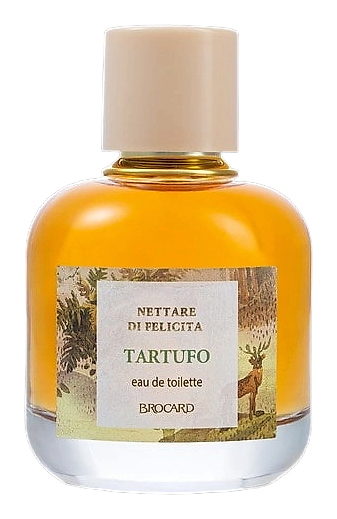
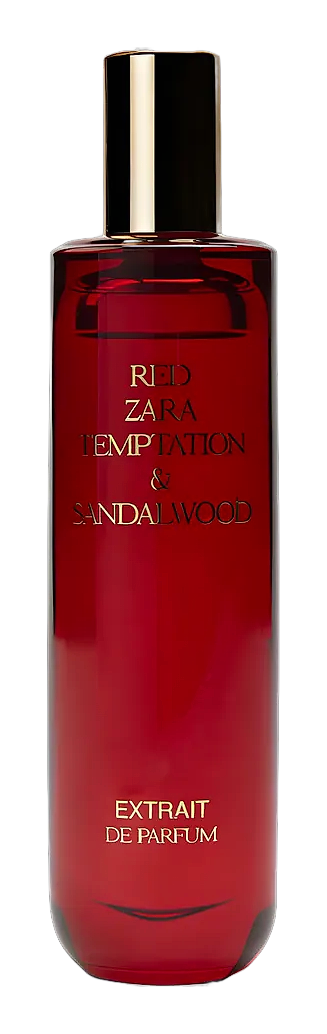
Fragrances featuring White Sandalwood
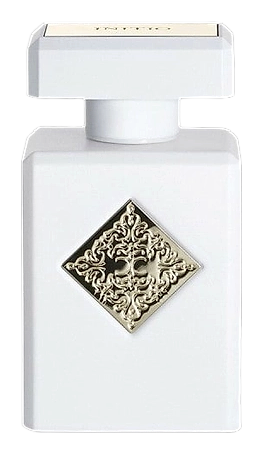
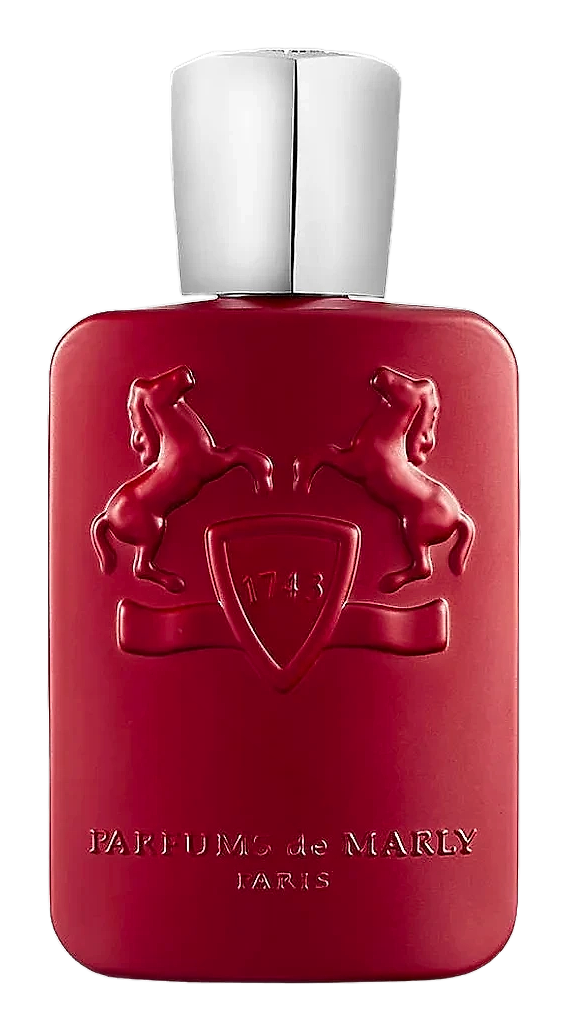
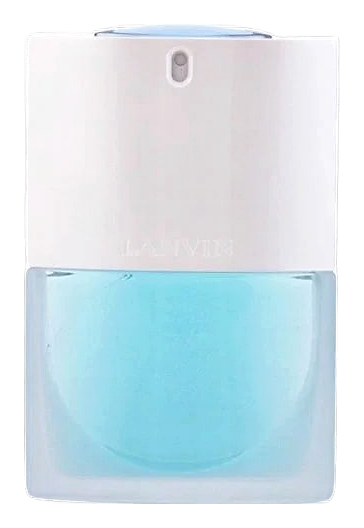
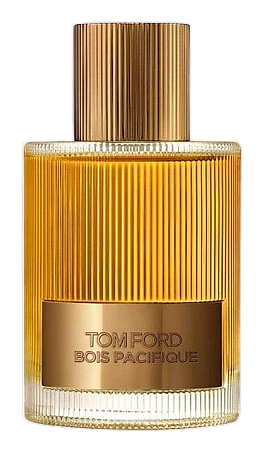
Brands
Brands known for White Sandalwood
Good to know
Questions, answered
The essentials on White Sandalwood in perfumery: how it smells, where it comes from, and how it behaves on skin.
What does white sandalwood smell like?
White sandalwood offers a soft, creamy woodiness with subtly sweet undertones. It reads as warm and milky, with lasting depth that anchors fragrance compositions. The scent evolves gracefully over hours on skin.
Why is white sandalwood so expensive?
Santalum album requires 15 to 20 years minimum before harvest to develop sufficient aromatic compounds. Wild populations are endangered, and sustainable plantations take decades to reach viable maturity, limiting supply.
What is alpha-santalol?
Alpha-santalol is the primary aromatic compound in Indian sandalwood oil, comprising 41 to 55 percent of the oil by volume. This sesquiterpene alcohol delivers the characteristic creamy, woody fragrance that defines quality sandalwood.
Is Santalum album still used in perfumery?
Wild-harvested Indian sandalwood remains critically restricted. Most commercial sandalwood oil now comes from Australian S. spicatum plantations or Sri Lankan cultivation. Synthetic alternatives like Sandalore exist but lack the complexity of natural oil.
How does sandalwood perform in fragrance?
Sandalwood excels as a base note, providing volume and longevity to compositions. It acts as an excellent fixative, extending the life of lighter top and heart notes while adding its own warm, creamy depth.
What makes white sandalwood a hemiparasite?
Young sandalwood roots attach to neighboring plants via specialized haustoria, drawing additional phosphorus, nitrogen, and potassium. The tree can survive independently but grows more vigorously with host plants during its early years.
Which fragrance families pair well with sandalwood?
Sandalwood harmonizes naturally with florals like rose, violet, and tuberose. It complements other woods, resins, and spices including clove and oakmoss, creating balanced, sophisticated compositions.
Does sandalwood have cultural significance?
Hindu, Buddhist, Jain, and Zoroastrian traditions have used sandalwood for sacred rituals and blessings for over 2,000 years. The practice of applying sandalwood paste during ceremonies continues today across South and Southeast Asia.