The Story
Why it exists.
The beginning
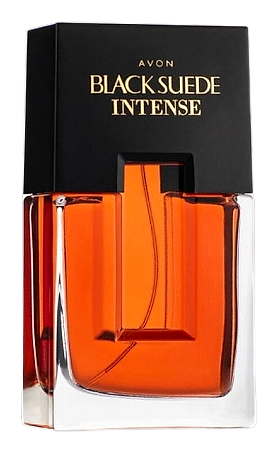
Black Suede arrived in 1980 with something to prove. The name said everything, suede, that soft luxury you'd find on the seats of a new car or the collar of a leather jacket you couldn't quite afford yet. Avon built this as the thinking man's signature, a fougère that didn't require a boutique visit or a second mortgage. The brief was clear: bold enough to announce arrival, warm enough to linger. The top notes landed sharp, aldehydes and nutmeg, the kind of opening that announced itself in a room. Beneath that, the heart was all leather and rose, iris and ylang-ylang, a softness you didn't expect from something named Black Suede. The drydown delivered what the name promised: suede, musk, civet, and oakmoss, the kind of close that stays on skin and clings to wool long after you've left the building.
What makes this pyramid interesting is the way it works against itself. The aldehydic opening is almost clinical, sharp, soapy, with carnation adding a waxy medicinal edge. That's the tension: a top that feels cold, supporting a heart full of warmth. Clove and leather anchor the middle, but the florals complicate things. Rose, iris, violet, heliotrope, this heart is powdery, almost sweet, the kind of softness you wouldn't expect beneath that confrontational opening. Then the base pushes back. Civet, suede, oakmoss. Animalic, textured, grounded. The warmth wins eventually, but only after you've been tricked into staying close enough to let it.
The evolution
The opening announces itself. Aldehydes blaze bright, nutmeg and coriander cutting through with a sharpness that borders on medicinal, that 80s signature, the aldehydic punch that said masculine confidence before the word got overused. Carnation adds a waxy, almost floral edge that softens the blow just enough. Within minutes, leather arrives. It takes the lead and doesn't let go. The heart builds around it, clove and rose first, then ylang-ylang's sweetness, heliotrope's powder, vetiver's earth. Orris and violet layer in, a resinous botanical complexity. The drydown is where this earns its name. Musk and amber provide warmth, but the suede takes over, and the civet threads through everything, animalic and close. Oakmoss lingers at the edges. Anise flickers briefly before it settles into something that smells like skin, intimate, personal, the kind of fragrance you have to lean in to find.
Cultural impact
Black Suede staked its claim in 1980, when masculine fragrance meant Oriental boldness and confidence was measured in sillage. It offered an accessible alternative to boutique fougères, the same leather-and-spice territory, the same warm animalic base, without the price tag that required a special occasion to justify. What set it apart was the suede note, softer and more nuanced than leather, lending a textural complexity that rewarded wearers who leaned in close. It's the fragrance your father kept in his bathroom cabinet and never thought to explain, something he'd reach for when he wanted to smell like he'd already lived the night ahead.