
The Story
Why it exists.
The beginning
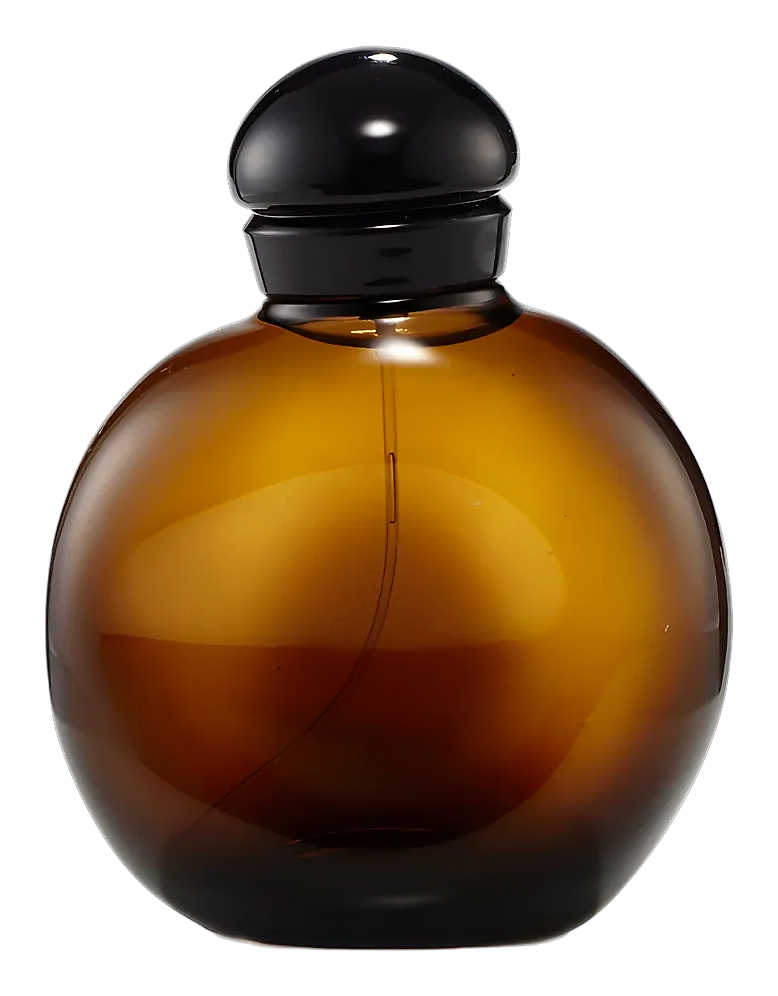
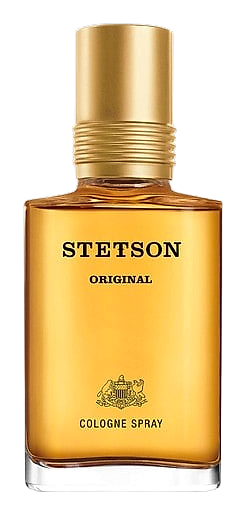
1981. Stetson arrived with an unapologetic directness that set it apart from the refined European bottles crowding department store counters. Lavender opens the composition with a clean, aromatic presence, while citrus notes provide immediate brightness and an inviting first impression. The heart reveals a powdery floral character that balances tradition with approachability, neither stiffly formal nor casually careless. There is no pretense in its construction, no attempt to impress through complexity alone. Instead, the fragrance moves confidently through its layers, each stage offering something distinct yet connected to what came before. The overall impression reads as straightforward and genuine, the kind of scent that announces itself without demanding the room's full attention.
What makes Stetson work is the contradiction it holds without apologizing for it. The lavender opening is crisp, almost barber-adjacent, clean in the way that reads as competent. Then the carnation and geranium arrive, pushing the composition into powdery floral territory that could tip feminine if the cedar and vetiver didn't hold the structure. And they do. That heart layer is where most fragrances either commit or collapse. Stetson commits, then catches itself with something warmer: honey, vanilla, a touch of tonka that gives the drydown its staying power. The result is a fragrance that smells like it cost more than it did, a quality that, forty years on, still surprises first-time wearers.
The evolution
The opening announces itself quickly with lavender and bergamot, a citrus brightness that cuts clean and direct. Clary sage underneath adds an herbal lift, creating the impression of a morning with purpose. By the half-hour, the citrus begins to recede and the carnation takes center stage. That's the pivot point. Geranium and jasmine arrive together, pushing the composition into powdery floral territory that commands attention without overwhelming. Cedar serves as the bridge, keeping the florals anchored close to the skin, giving them somewhere to land rather than floating away. The drydown is where Stetson earns its reputation. Honey and vanilla blend into something warm and intimate. Amber gives it a golden richness while tonka bean slows the whole composition down and adds a powdery softness that carries the final act. Musk reads as skin-close, present without projecting.
Cultural impact
Stetson introduced powdery floral warmth and honeyed richness to anyone exploring fragrance for the first time. Its accessible character has made it a reference point in discussions of masculine scent from the 1980s era, cited when describing what that period smelled like. The combination of elegant florals and warm base notes created something that transcended its original moment, finding continued appreciation among those who discovered it later. It remains relevant not because of nostalgia alone, but because its particular balance of sophistication and approachability still speaks to anyone looking for a classic scent made accessible.