
The Story
Why it exists.
The beginning
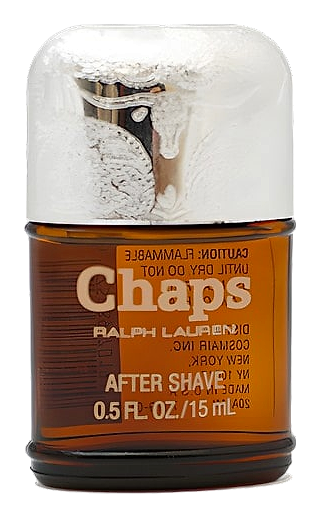
Chaps takes its name from the leather protective wear of cowboys and horsemen, carrying enough American mythology of the West to sell itself. Josephine Catapano built the scent to match that weight of expectation. She went further, constructing a chypre-oriental hybrid that could anchor a man's identity for an entire day. The opening combines citrus brightness with aromatic lavender for an immediate lift. Deep moss and warm leather provide the foundation, while amber and vanilla add a richness that settles into the skin. It's a bold composition that doesn't hedge its bets.
The top accord is unusually dense, six materials competing for attention, yet it reads as singular. Catapano's trick was letting the lavender anchor everything. It connects the citrus to the chypre base without letting either side win. The anise is the surprise: a faint licorice twang that keeps the opening from being predictable. By 1979 standards, this was confident composition. Modern 'fresh' fragrances have mostly stripped this down to nothing. Chaps refuses.
The evolution
The first hour belongs to citrus and lavender, that sharp, aromatic opening that smells like a specific kind of competence. The sage and anise hold on a beat longer than expected, a subtleLicorice note adding intrigue before the florals arrive. Jasmine and geranium soften the edges without losing the structure. Then comes the turn: cedar and carnation introduce a warmth that shifts the tone from crisp to present. The drydown is where this lives. Patchouli and oakmoss arrive together, leather following close behind. Amber and vanilla settle into the skin rather than the air. What remains is that classic chypre foundation, warm, mossy, quietly confident. Not a ghost. A memory.
Cultural impact
Chaps became a quiet classic. Its discontinuation only deepened the appeal. The fragrance operates within a traditional chypre framework, lavender and moss establishing the base, leather providing authenticity, amber and vanilla adding warmth. This is a scent that commits fully to its ingredients rather than chasing trends toward minimalism or synthetic freshness. It's unapologetic about what it is, and that quality has only become more appealing over time.
The House
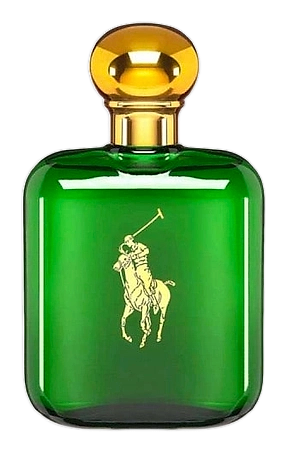
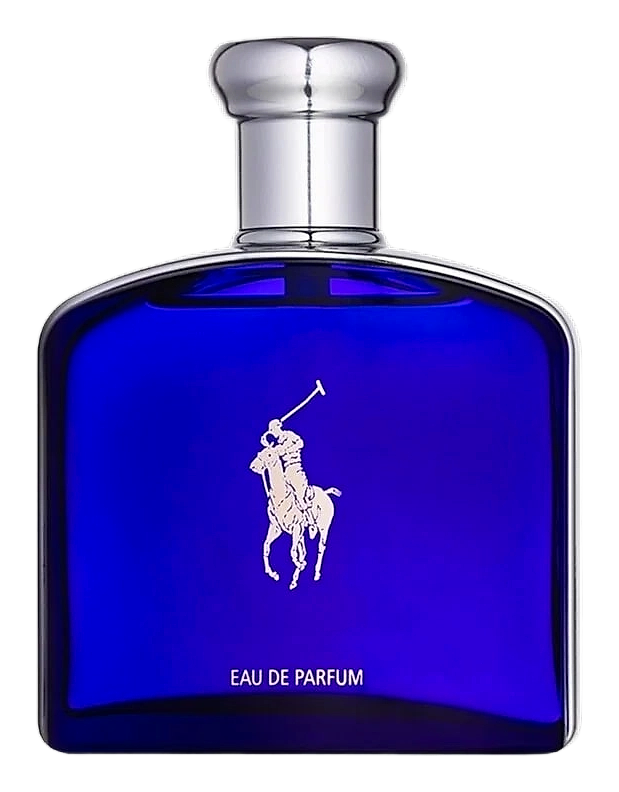
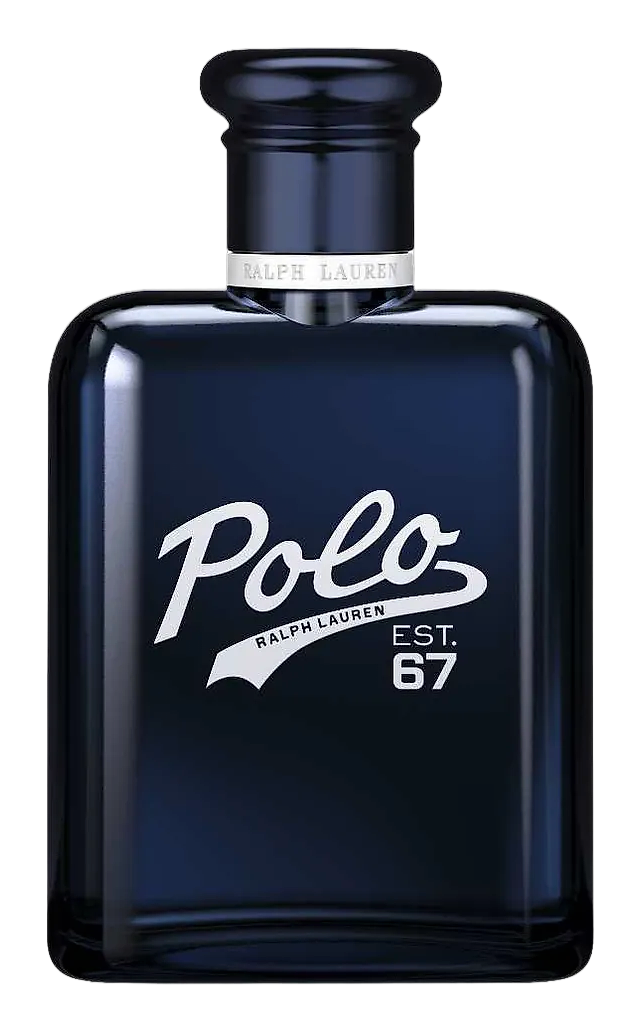
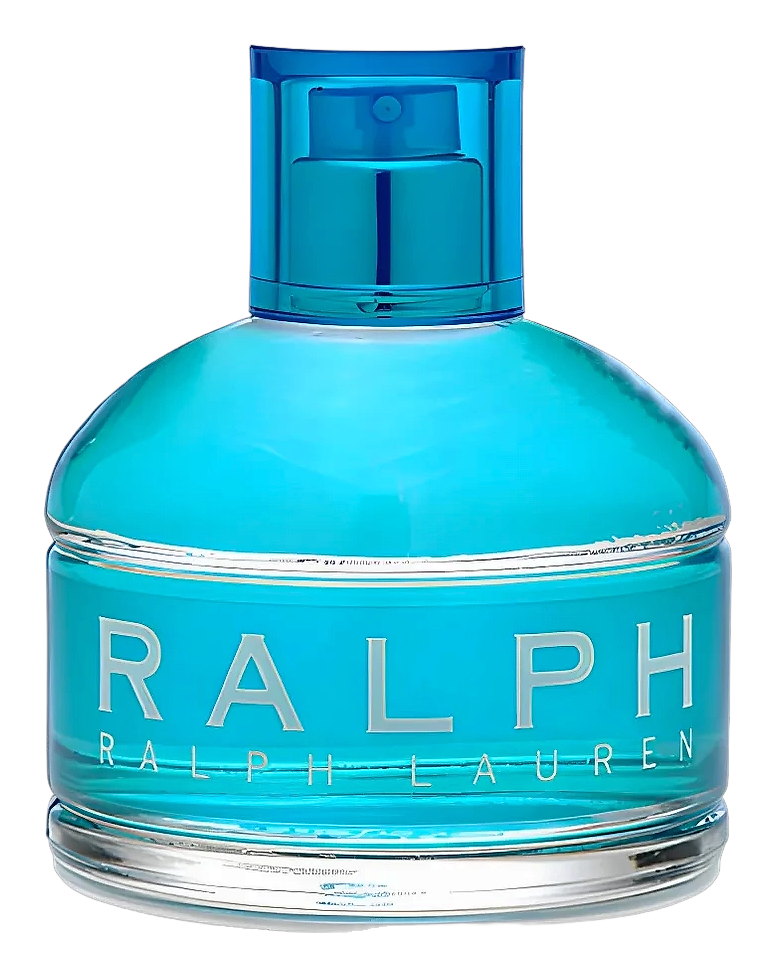
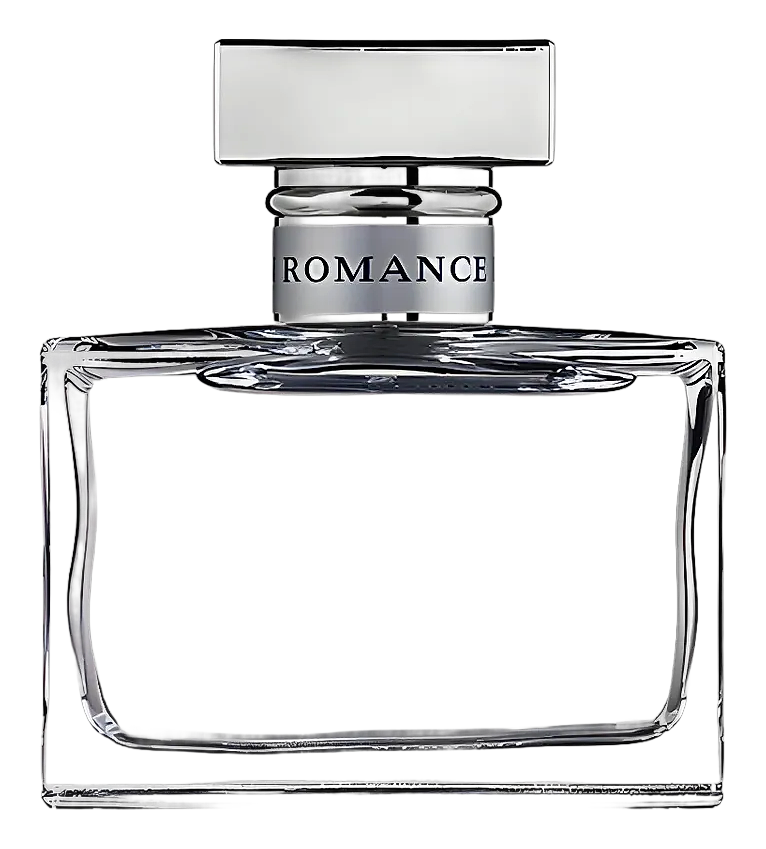
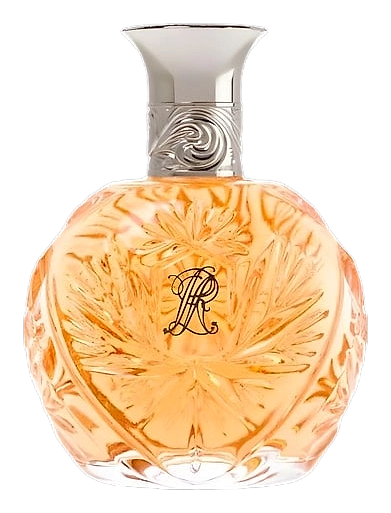
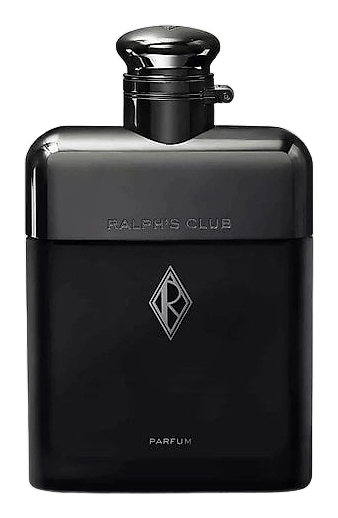
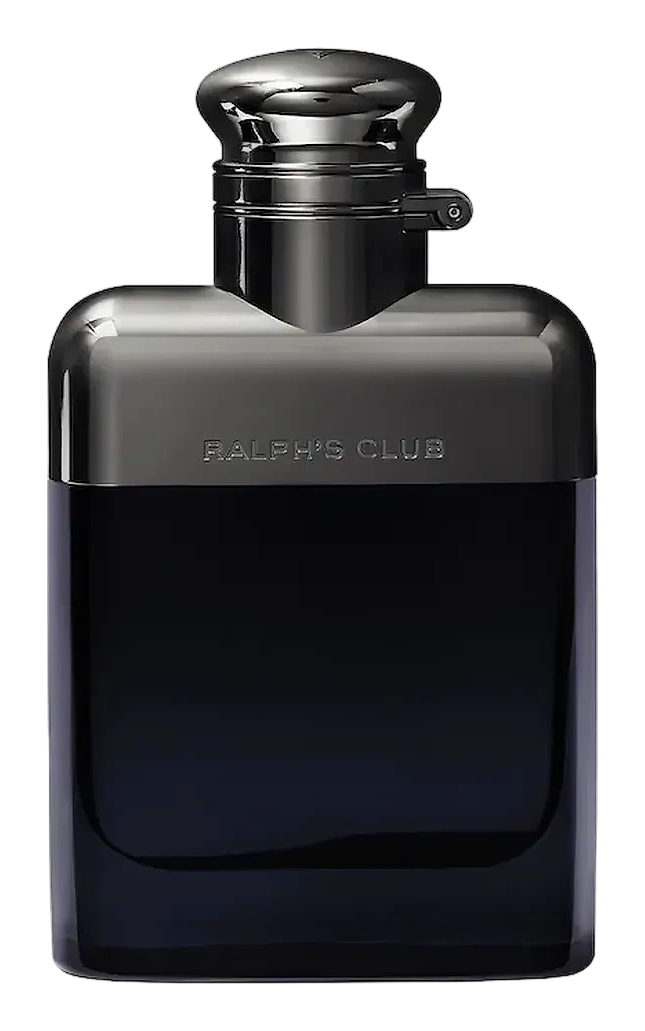
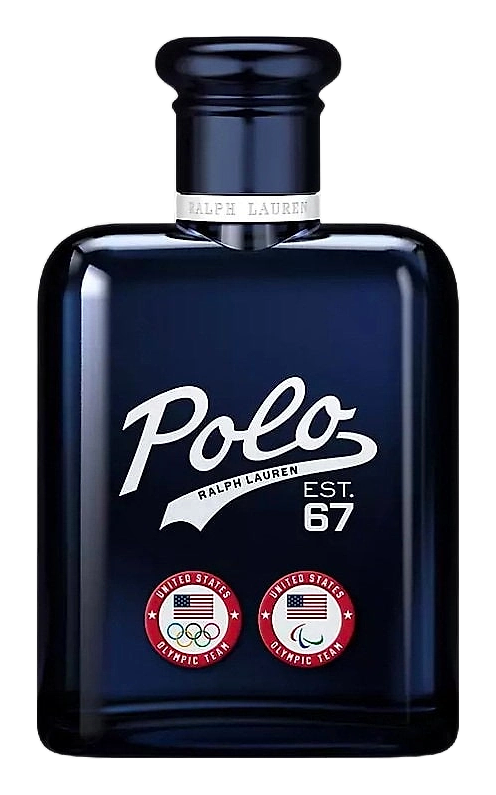
Ralph LaurenRalph Lauren is the quintessential American luxury brand that transformed a $50,000 tie business into a global lifestyle empire. Founded in 1967 by Ralph Lifshitz, a Bronx-born son of Jewish immigrants, the house virtually invented the concept of 'lifestyle' branding. Their fragrance portfolio captures that same all-American spirit, from the rugged masculinity of Polo (1978) to the romantic elegance of Romance (1998). Each scent reflects Lauren's vision of timeless style, whether it is the preppy confidence of the original Polo or the modern sophistication of Ralph's Club. The brand licenses its fragrances through L'Oréal, bringing accessible luxury to a worldwide audience while maintaining that distinctive Ralph Lauren polish.
The Creator
Josephine CatapanoCatapano's signature leaned firmly toward the bold, the enveloping, and the oriental. She favored rich, warm structures with heavy ambery and resinous backbones that created immediate, powerful presence on skin.