The Story
Why it exists.
The beginning
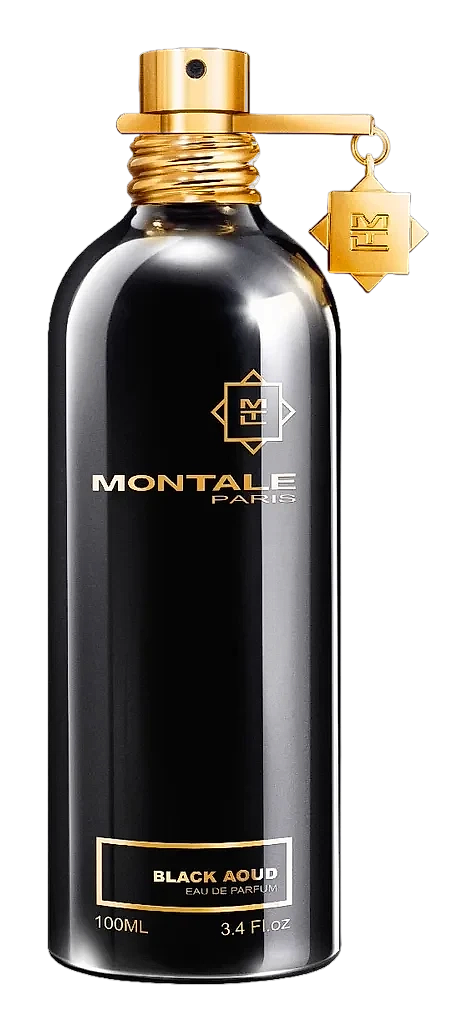
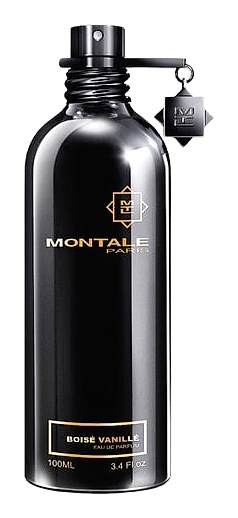
Pierre Montale spent years in Saudi Arabia, creating bespoke fragrances for royalty, princes, queens, nobility. When he returned to France in 2003 and opened his first showroom on Place Vendome, he brought something rare: a perspective shaped by the Orient, expressed through French refinement. Boise Vanille arrived in 2007. It was Montale's take on vanilla, and it wasn't what the West expected. Where most oriental vanillas lean sweet, creamy, almost edible, Montale grounded his in cedar and patchouli. He added lavender and allspice for warmth, geranium and iris for complexity, and let the vanilla emerge slowly, not as a statement, but as a signature that lingers.
The unusual move is the geranium and iris in the heart. Both notes bring a powdery, slightly bitter quality that pushes Boise Vanille closer to a dark chypre than a standard oriental. The lavender in the opening doesn't smell like aftershave, it smells like the plant, herbaceous and camphorated, cutting through the citrus and allspice with something almost medicinal. That's the tell. This vanilla doesn't smell like dessert. It smells like someone who knows what they're doing.
The evolution
The drydown is where Boise Vanille earns its reputation. The vanilla finally arrives, warm, resinous, woven through tonka bean, cedar, and patchouli. The patchouli is earthy, with a dark chocolate edge that keeps the sweetness honest. The cedar is dry, slightly sharp, like the smell of a pencil shaved clean. Together they create something that feels both natural and intentional, the kind of combination that makes you want to lean closer. On skin, this phase lasts into the next day. On clothes, it becomes a quiet signature, close, intimate, the kind that someone notices when they're standing beside you, not across the room. The projection moderates after the first two hours. What started as a strong trail settles into something more personal, more worn.
Cultural impact
Boise Vanille occupies an interesting position in the Montale lineup, intense by the brand's standards, but quieter than the oud-heavy signatures. The 2007 launch puts it early in the house's history, before the expansion into broader directions. It's been discontinued, which has only added to its appeal among collectors who appreciate its unusual structure.