The Story
Why it exists.
The beginning
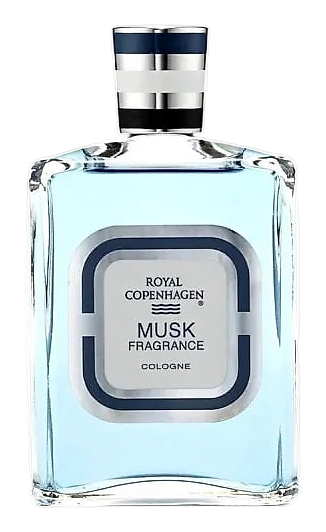
Musk for Men arrived in 1974, when men's fragrance was still finding its modern footing. The approach was direct: strip away excess, focus on the core appeal of musk, warmth, softness, that skin-close quality that makes a scent feel like part of you rather than something you put on. Royal Copenhagen understood that the brief was simple, but the execution had to be right. The goal was to create something that whispered rather than shouted, something that would settle into the skin and become a quiet signature rather than a statement.
The genius here is restraint. Lavender, basil, and sage open clean and almost herbal in their brightness, a quick flash before the real show begins. What follows is pure, undiluted musk, powdery and animalic without being aggressive. The amber doesn't sweeten so much as soften, and the woody notes arrive only to keep everything from floating away. No tricks. No layers of complexity demanding your attention. Just the honest smell of clean skin, warmed. The transition feels natural, as if the fragrance is simply revealing what was always there.
The evolution
The herbal opening settles within the first minutes, not as a flaw but as the design taking shape. What replaces it is the musk, and it stays, soft and powdery against the skin for the next several hours. The amber adds a gentle warmth underneath, never cloying, while the woody notes emerge slowly in the drydown, giving the composition somewhere to rest. By the final hour, it's just skin and a faint trace of powder. Close enough to notice only if someone's already leaning in. The progression feels inevitable, like watching a photograph slowly develop into clarity.
Cultural impact
Musk for Men sits in the tradition of workhorse colognes, the kind of scent that defined what a man's fragrance could be before the industry decided men needed to smell like projects. It shares company with Jovan Musk and early Brut, fragrances that prioritized comfort over complexity. What sets it apart is that powdery warmth, the 1974 vintage character that newer musks often try to eliminate. Wearers describe it as the scent of someone who doesn't need to be noticed, which is either its greatest strength or its quietest criticism, depending on who you ask.