The Heritage
The Story of Royal Copenhagen
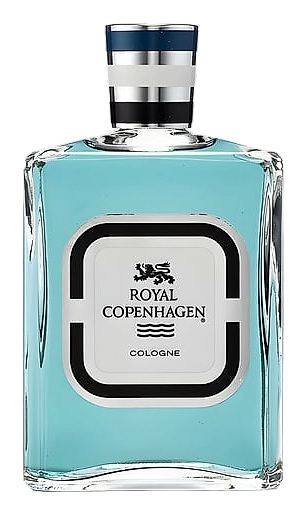
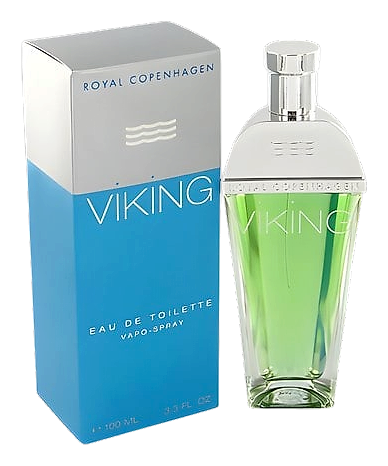
Royal Copenhagen is a Danish fragrance line that extends the heritage of the historic porcelain house. Since the first Eau de Cologne appeared in 1970, the brand has offered a modest portfolio of masculine scents that echo the clean lines and understated elegance of Danish design. The collection includes classic chypre‑style colognes, aromatic fougères and modern reinterpretations of heritage notes. Each bottle carries the familiar blue fluted motif that ties the perfume range back to the original porcelain legacy, creating a quiet bridge between craft and scent.
Heritage
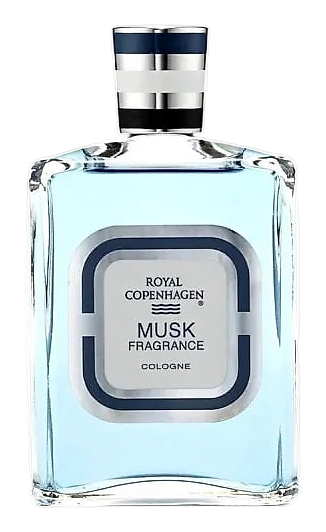
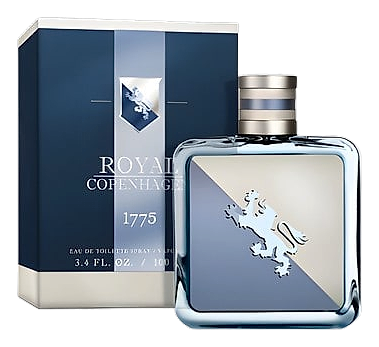
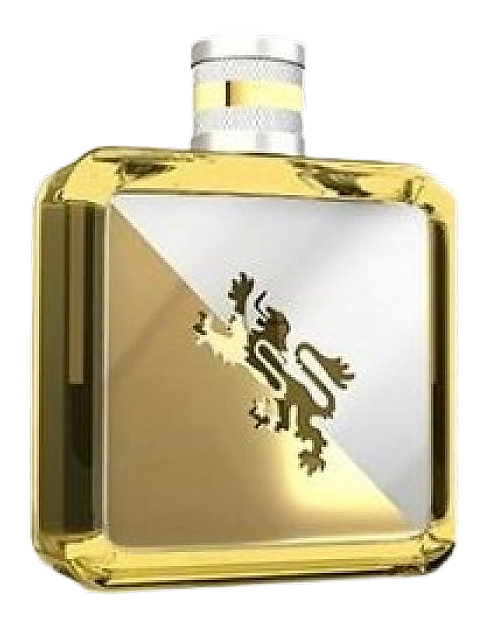
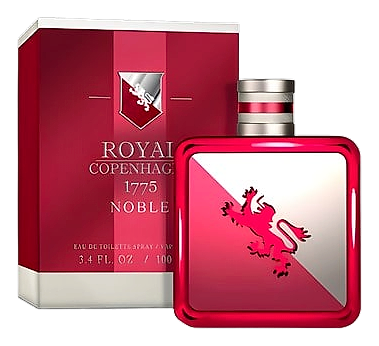
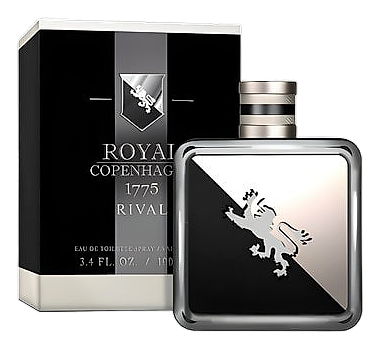
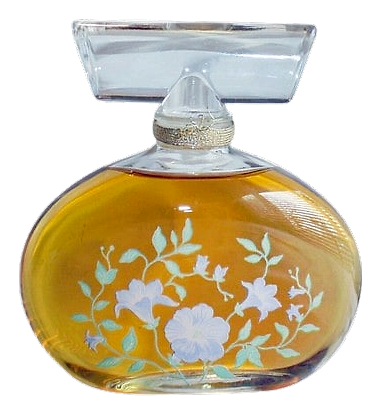
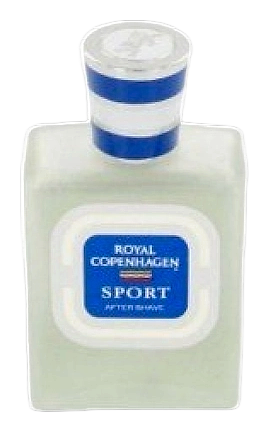
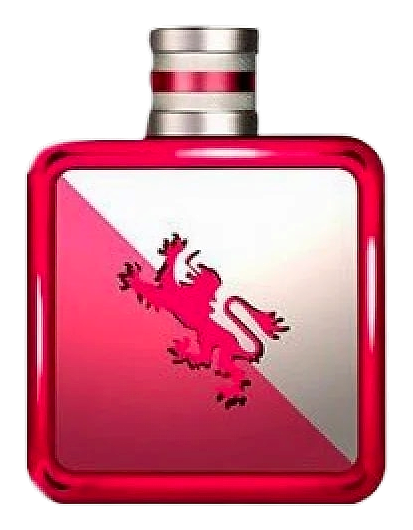
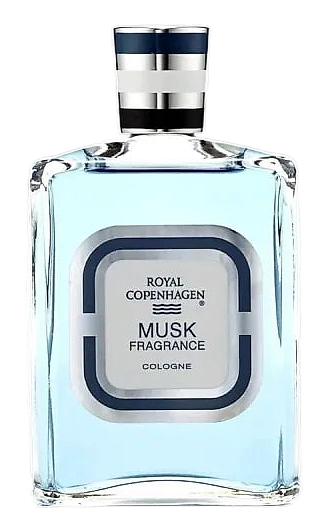
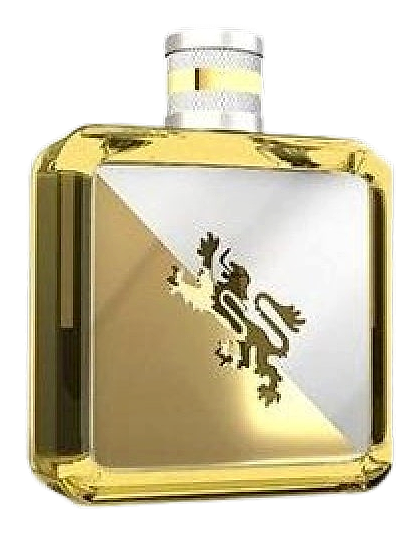
The story of Royal Copenhagen begins in 1775 when pharmacist Frantz Heinrich Müller opened a workshop in Copenhagen to experiment with hard‑feldspar porcelain made from quartz. The venture received royal endorsement and quickly became known for its hand‑painted blue fluted pattern, a design that still defines the brand today. For more than two centuries the house produced fine tableware, decorative objects and art pieces that were exported worldwide. In 1970 the company launched its first fragrance, an Eau de Cologne that reflected the light, fresh character of the era's European colognes. The scent was marketed under the Royal Copenhagen name, linking the new olfactory offering to the established visual identity of the porcelain house. Over the next decade the line expanded with Flora Danica (1980), a floral‑green composition that referenced the famous botanical porcelain series, and Royal Copenhagen Sport (1982), a more energetic aromatic blend aimed at an active audience. The 1974 Royal Copenhagen Musk introduced a warm, vanilla‑laden musk that would later gain a cult following among niche collectors. A major renewal arrived in 2014 when the brand released the 1775 collection – Classic, Imperial, Rival, Valor and Noble – each named after the founding year and presented in bottles that echo the blue fluted motif. The 1775 line emphasized traditional masculine accords such as bergamot, lavender, cedar and amber, while updating the compositions with contemporary techniques. In 2017 the house added Monarch For Men, a fragrance that blends citrus, spice and woody notes, further cementing its commitment to a timeless yet modern masculine aesthetic. Throughout its fragrance history Royal Copenhagen has remained a niche player, relying on its heritage and design language rather than mass‑market promotion, and it continues to release limited editions that appeal to collectors who value both history and subtle elegance.
Craftsmanship
The creation of a Royal Copenhagen fragrance begins with a brief that references the brand’s visual heritage and the desired olfactory character. The house works with external perfumers, often based in France or Italy, who translate the brief into a formula that balances natural extracts and high‑quality synthetics. Ingredient selection follows strict criteria: citrus oils are cold‑pressed from Mediterranean fruits, woody notes such as cedar and sandalwood are sourced from sustainably managed forests, and musk accords are built from modern aromatic molecules that replicate the warmth of natural musk without animal involvement. Once a formula is approved, it is sent to a specialized manufacturing facility in Europe where it undergoes a controlled aging process, typically lasting several weeks to allow the components to integrate fully. Quality control includes gas‑chromatography analysis to verify concentration levels and sensory evaluation by a panel of trained noses. The finished perfume is then transferred into bottles that are hand‑finished to match the blue fluted porcelain pattern. Each bottle receives a lacquered cap and a metal collar stamped with the Royal Copenhagen crest, echoing the metalwork found on the brand’s historic dinnerware. The packaging is assembled in Denmark, where final inspections ensure that the visual and olfactory elements meet the brand’s exacting standards before the product is shipped to retailers worldwide. This combination of careful ingredient sourcing, precise formulation, and meticulous finishing reflects the same attention to detail that has defined Royal Copenhagen’s porcelain for over two centuries.
Design Language
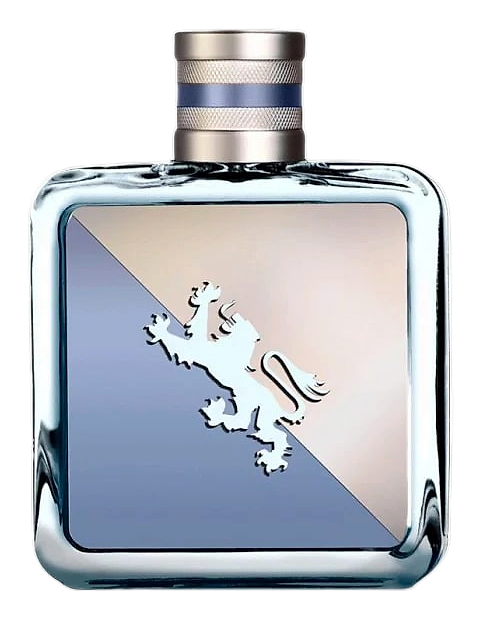
Royal Copenhagen’s visual identity for its fragrances mirrors the design language of its porcelain heritage. Bottles are typically clear glass with a slender profile, allowing the liquid to be seen while the surrounding metal collar bears the iconic blue fluted pattern in enamel. The pattern, originally developed for dinnerware in the late 18th century, appears as a series of delicate, wave‑like lines that evoke the sea surrounding Denmark. Caps are often brushed aluminum or polished steel, providing a subtle contrast to the soft blue accents. Labels use a serif typeface that references historic Danish typography, and the brand name is rendered in a deep navy hue that complements the enamel work. The overall presentation is minimalist: no excessive embellishment, just a clean silhouette, a restrained color palette and a discreet royal crest that signals quality without overt branding. This aesthetic aligns with the brand’s broader commitment to understated elegance, allowing the scent itself to take center stage while the packaging reinforces a sense of timeless Danish craftsmanship.
Philosophy
Royal Copenhagen approaches perfumery as an extension of its design philosophy: simplicity, durability and respect for tradition. The brand believes that a scent should be clear, balanced and capable of aging gracefully, much like a piece of porcelain that can be passed down through generations. It draws on Danish design principles that favor clean lines, functional beauty and restrained ornamentation. In practice this means the house selects classic fragrance families – chypre, fougère, aromatic – and interprets them with a modern sensibility, avoiding excessive novelty in favor of refinement. The brand also emphasizes sustainability, sourcing natural ingredients from regions with established quality standards and working with suppliers who follow responsible harvesting practices. Transparency is part of the ethos; while the perfumers behind each launch are not always disclosed, Royal Copenhagen ensures that each composition meets the same rigorous standards applied to its porcelain products. The fragrance line is intended to complement, not dominate, the wearer’s presence, offering a subtle olfactory signature that aligns with the brand’s understated elegance. This philosophy resonates with consumers who appreciate heritage, craftsmanship and a quiet confidence that does not rely on flash or hype.
Key Milestones
1775
Frantz Heinrich Müller establishes the Royal Copenhagen porcelain workshop in Copenhagen, receiving royal endorsement and launching the blue fluted pattern.
1970
Royal Copenhagen releases its first fragrance, Eau de Cologne, marking the brand’s entry into perfumery.
1980
Flora Danica perfume debuts, drawing inspiration from the brand’s botanical porcelain series.
1982
Royal Copenhagen Sport is launched, offering a more energetic aromatic composition.
2014
The 1775 collection (Classic, Imperial, Rival, Valor, Noble) is introduced, each bottle featuring the blue fluted motif and referencing the founding year.
2017
Monarch For Men arrives, expanding the line with a modern citrus‑spice‑woody blend.
At a Glance
Brand profile snapshot
Origin
Denmark
Founded
1775
Heritage
251
Years active
Collection
1
Fragrances released
Avg Rating
4.7
Community sentiment
Release Rhythm


