



    Brand Profile

    RPL PARFUMS is a Copenhagen‑based perfume house that blends a traveler’s curiosity with a disciplined design ethic. Founded in 2012 by Ruper…More

    Denmark·Est. 2012·Site

    3.3

    Rating

    13
    XI Eau de Cologne by RPL – Eau de Parfum
    3.3

    XI Eau de Cologne

    Eau de Parfum

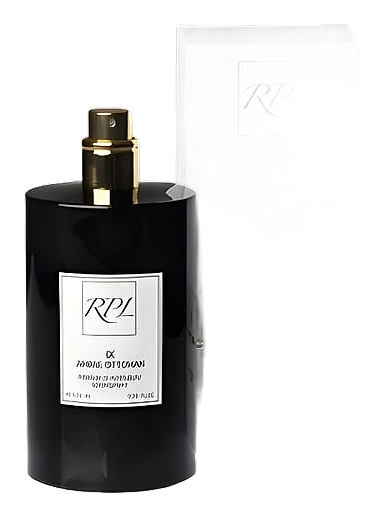
    IX Ambre Ottoman by RPL
    Best Seller
    4.6

    IX Ambre Ottoman

    I Jardin Byzantine by RPL
    Best Seller
    4.2

    I Jardin Byzantine

    XVIII Tubéreuse by RPL
    Best Seller
    4.1

    XVIII Tubéreuse

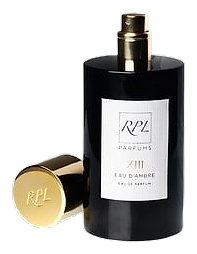
    XIII Eau de Ambre by RPL
    4.1

    XIII Eau de Ambre

    XXI Bois De Cedre Et Vetiver by RPL
    4.0

    XXI Bois De Cedre Et Vetiver

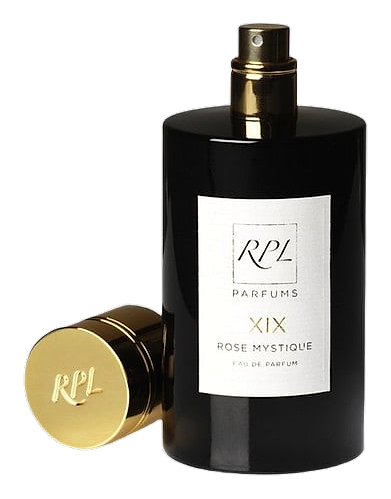
    XIX Rose Mystique by RPL
    4.0

    XIX Rose Mystique

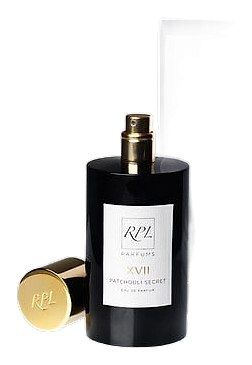
    XVII Patchouli Secret by RPL
    3.9

    XVII Patchouli Secret

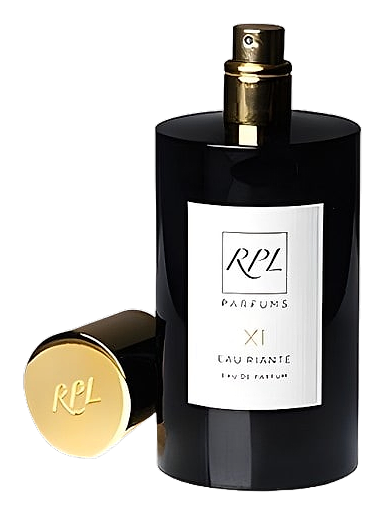
    XI Eau de Riante by RPL
    3.9

    XI Eau de Riante

    XX Brise Venitienne by RPL
    3.8

    XX Brise Venitienne

    XV Oud Voyage by RPL
    3.6

    XV Oud Voyage

    XXII Cuir Rose Damas by RPL

    XXII Cuir Rose Damas

    1 of 2

    The Heritage

    The Story of RPL

    RPL PARFUMS is a Copenhagen‑based perfume house that blends a traveler’s curiosity with a disciplined design ethic. Founded in 2012 by Rupert Peter Landendinger, the brand releases scents under a numbered system that hints at a chronological narrative rather than a seasonal calendar. Each fragrance carries a concise title – IX Ambre Ottoman (2017), I Jardin Byzantine (2019), XVIII Tubéreuse (2016) – and a modest concentration that invites daily wear. RPL’s catalogue balances amber, oud, vetiver and floral accords, offering a quiet alternative to louder market trends. The house positions itself as a laboratory for scent stories, inviting collectors to explore a line that feels both personal and historically anchored.

    Heritage

    Rupert Peter Landendinger grew up in a Rococo castle on the Bavarian countryside, a setting that nurtured an early fascination with scent and visual art. After a career in international fashion and design, he launched RPL PARFUMS in Copenhagen in 2012, choosing the city’s design‑forward reputation as a backdrop for his olfactory experiments. The inaugural release, XIII Eau de Ambre, arrived the same year and set a tone of restrained elegance. Over the next decade, Landendinger introduced a series of numbered fragrances, each tied to a specific year and theme. In 2015 the house unveiled XVII Patchouli Secret, a composition that blended earthy patchouli with subtle spice, marking the first use of a darker, more introspective palette. The following year, XVIII Tubéreuse arrived, offering a bright white‑flower focus that contrasted with earlier amber‑rich offerings. 2017 saw IX Ambre Ottoman, a nod to historic trade routes and the warm resins that traveled them. 2018 proved prolific: XXI Bois De Cedre Et Vetiver explored the dry woods of the Mediterranean, while XIX Rose Mystique added a nuanced rose that avoided classic sweetness. 2019’s I Jardin Byzantine introduced a complex garden of oriental spices and herbs, completing a decade‑long narrative arc that maps both geography and memory. Throughout its growth, RPL has remained a privately held studio, avoiding mass‑market distribution in favor of boutique partners and selective online platforms. The brand’s modest size allows it to maintain direct oversight of each batch, preserving the founder’s original vision of intimate, travel‑inspired perfumery.

    Craftsmanship

    Production at RPL takes place in small batches within a Copenhagen atelier that follows strict quality protocols. Raw materials arrive after careful vetting; natural extracts are tested for purity, and synthetics are sourced from reputable European manufacturers with documented safety records. The house blends ingredients by hand, using stainless‑steel vessels that allow precise temperature control, a method that preserves volatile top notes while ensuring a stable base. Each formula undergoes a three‑stage stability test: initial olfactory assessment, accelerated aging at controlled humidity, and a final blind panel review. Only batches that meet the house’s sensory criteria move to bottling. Bottles are hand‑filled, capped, and inspected for uniformity before being sealed with a simple, matte‑black cap that echoes the brand’s minimalist aesthetic. Labels feature the fragrance’s Roman numeral, year of release, and a brief descriptor, printed on recycled paper to align with the brand’s modest environmental stance. Quality control extends to packaging; each box is assembled by a single artisan, ensuring that the tactile experience matches the scent’s refined character. This hands‑on approach allows RPL to maintain a consistent scent profile across releases while keeping production volumes low enough to preserve exclusivity without resorting to artificial scarcity.

    Design Language

    RPL’s visual language mirrors its olfactory restraint. Bottles are slender, cylindrical vessels of clear glass that showcase the perfume’s natural hue, capped with a matte‑black disc that bears the brand’s initials in a clean sans‑serif typeface. The label sits on a thin band of recycled paper, printed in black with the Roman numeral and year, creating a subtle contrast that invites a closer look. Marketing materials favor monochrome photography, often depicting the fragrance against textured backdrops such as weathered wood or stone, reinforcing the travel‑inspired narrative. The brand’s website continues this minimalism, using generous white space, simple navigation, and high‑resolution images that let the scent’s story unfold without distraction. Retail displays, when present, echo the same aesthetic: wooden shelves, soft ambient lighting, and discreet signage that lets the bottles speak for themselves. This consistent visual identity reinforces RPL’s positioning as a quiet, design‑driven house that values substance over flash.

    Philosophy

    RPL approaches fragrance as a series of personal voyages rather than a commercial product line. The house believes that scent should act as a portable memory, a way to recall a place, a moment, or a feeling without the need for overt storytelling. This belief drives a disciplined restraint: each perfume is limited to a single concentration and a concise ingredient list, encouraging wearers to focus on the core accord. The brand values transparency, sourcing raw materials from regions known for quality – such as cedar from the Atlas Mountains and oud from the Indonesian islands – and documenting those origins in the fragrance’s title. RPL also respects the balance between natural extracts and modern synthetics, using the latter to amplify stability and longevity while preserving the character of the raw notes. The numbered naming system reflects a chronological curiosity, inviting collectors to trace the evolution of the house’s palate over time. By avoiding seasonal releases, RPL encourages a timeless relationship between wearer and scent, one that does not hinge on fashion cycles but on personal resonance.

    Key Milestones

    2012

    RPL PARFUMS founded in Copenhagen by Rupert Peter Landendinger; launch of XIII Eau de Ambre

    2015

    Release of XVII Patchouli Secret, marking the house’s first foray into darker, earthy compositions

    2016

    XVIII Tubéreuse introduced, expanding the line with a bright white‑flower focus

    2017

    IX Ambre Ottoman launched, referencing historic trade routes and warm amber accords

    2018

    Two releases: XXI Bois De Cedre Et Vetiver and XIX Rose Mystique, showcasing wood and floral duality

    2019

    I Jardin Byzantine released, completing a decade‑long chronological series

    At a Glance

    Brand profile snapshot

    Origin

    Denmark

    Founded

    2012

    Heritage

    14

    Years active

    Collection

    1

    Fragrances released

    Avg Rating

    3.3

    Community sentiment

    Release Rhythm

    2022
    2
    2019
    1
    2018
    3
    2017
    1
    2016
    1
    2015
    1
    2014
    1
    2013
    1
    rplparfums.com

    Did You Know?

    Interesting Facts

    Distinctive details and defining moments that shape the house personality.

    01

    The founder’s childhood in a Bavarian Rococo castle exposed him to historic interiors that later inspired the brand’s numbered naming convention.

    02

    RPL’s Roman numeral system intentionally avoids traditional seasonal naming, encouraging collectors to view the line as a chronological archive.

    03

    Each fragrance’s year in the title corresponds to its launch year, creating a built‑in timeline that maps the house’s evolving scent palette.

    04

    Despite being a niche house, RPL sources a portion of its oud from the island of Java, a region less common in European perfumery.

    The Artisans

    The Perfumers