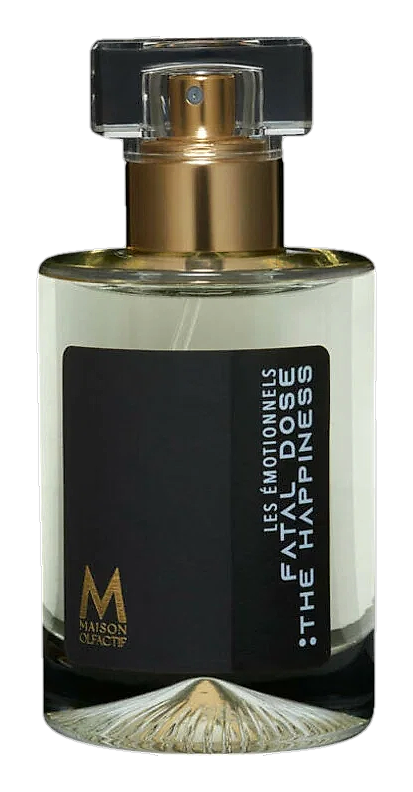


The Heritage
The Story of Studio Pneuma
Studio Pneuma is a Copenhagen‑based fragrance studio that treats scent as spatial design. Founded in 2019 by architect‑turned‑creator Diana Lindboe and designer Camilla Boccardi Christensen, the house releases limited‑edition perfumes that echo the geometry of interior spaces. Recent releases such as Air Rides, Remain and Eager illustrate a focus on atmosphere, texture and the way a scent moves through a room. The brand positions each bottle as a miniature installation, inviting collectors to experience fragrance as a three‑dimensional concept rather than a fleeting aroma.
Heritage
The story of Studio Pneuma begins in the spring of 2019 when Diana Lindboe and Camilla Boccardi Christensen, both trained in architecture, decided to translate their design practice into olfactory form. Their first public statement appeared on the studio’s own website, describing a desire to “transform concepts from architecture into scent.” Early collaborations with local Copenhagen ateliers allowed the founders to prototype glass vessels that resembled structural models. In 2020 the studio launched its debut perfume, a minimalist composition that referenced the clean lines of Scandinavian interiors. The following year, Air Rides arrived, a fragrance that critics noted for its crisp, airy opening reminiscent of a high‑rise atrium. Later in 2023 the duo released Remain, a scent rooted in personal memory, and Eager, a more kinetic offering that captured the sensation of movement through a corridor. Throughout its first five years, Studio Pneuma has remained independent, avoiding large‑scale distribution in favor of curated pop‑up events in design museums and architecture schools. The studio’s growth has been documented in niche fragrance publications such as Fragrantica and Parfumo, which highlight the brand’s consistent release schedule and its commitment to small‑batch production. By 2024 the house had expanded its portfolio to include room fragrances and sculptural diffusers, each designed to complement the perfume line while reinforcing the architectural narrative that underpins the brand’s identity.
Craftsmanship
Every Studio Pneuma perfume is assembled in a small batch workshop in Copenhagen. The production process starts with a scent brief that references a specific architectural element, such as a concrete wall or a glass façade. Ingredient selection follows a strict quality protocol; natural absolutes are tested for purity using gas chromatography, while synthetic notes are chosen for their stability and ability to replicate structural qualities like resonance or echo. The studio works with a handful of European suppliers who provide traceable raw materials, including a French lavender farm known for low pesticide use and an Italian bergamot orchard that practices organic cultivation. Once the formula is finalized, the blend is macerated for a period that matches the intended spatial narrative—short maceration for fleeting, airy compositions, longer aging for deeper, more grounded scents. Bottles are hand‑blown by a Danish glass studio, resulting in clean, geometric silhouettes that echo the brand’s architectural roots. Caps are machined from brushed aluminum, a nod to modernist hardware. Quality control includes blind testing by the founders and a rotating panel of architects who assess whether the fragrance conveys the intended spatial feeling. The final product is packaged in recyclable cardboard with minimal printed information, reinforcing the studio’s commitment to sustainable design.
Design Language
Studio Pneuma’s visual language mirrors its architectural mindset. Bottles feature simple, rectangular or cylindrical forms with sharp edges, often finished in clear or frosted glass that highlights the liquid’s hue. Labels are typographically restrained, using a sans‑serif font that aligns with Scandinavian design principles. The color palette leans toward muted neutrals—soft greys, muted blues, and occasional warm amber—allowing the scent’s character to become the focal point. Marketing imagery frequently depicts the perfume placed within minimalist interiors, accompanied by natural light that casts geometric shadows. The brand’s website adopts a clean grid layout, with ample white space and high‑resolution photographs that treat each fragrance like a design object. In retail settings, Studio Pneuma installs small wooden plinths that echo architectural models, inviting customers to view the bottle from multiple angles. The overall aesthetic conveys a sense of calm precision, reinforcing the idea that fragrance can be experienced as a built environment rather than a fleeting perfume spray.
Philosophy
Studio Pneuma treats perfume as an extension of built environment. The founders state that each scent begins with a spatial brief: a room, a material, a light condition. This approach mirrors architectural concept development, where a brief guides material selection and form. The studio values restraint, opting for a limited palette of high‑purity ingredients that can be layered to suggest depth without overwhelming the senses. Sustainability also informs the philosophy; the brand sources natural extracts from certified farms and works with suppliers who practice responsible harvesting. Transparency is a core value, and product pages often list the origin of each component, from French lavender fields to Indonesian sandalwood. Rather than chasing trends, Studio Pneuma follows a research‑driven process, testing how a fragrance behaves on different surfaces and in varying humidity levels. This scientific curiosity blends with artistic intuition, allowing the creators to craft scents that feel both tactile and atmospheric. The philosophy extends to the consumer experience: the studio encourages users to treat a perfume as a room they can enter, to notice how the scent evolves as they move through space.
Key Milestones
2019
Founders Diana Lindboe and Camilla Boccardi Christensen launch Studio Pneuma in Copenhagen, announcing a mission to fuse architecture and scent.
2020
First perfume released, a minimalist composition inspired by Scandinavian interior design, receives coverage in niche fragrance blogs.
2021
Studio Pneuma introduces hand‑blown glass bottles produced by a Danish studio, establishing its signature visual identity.
2022
The brand expands into room fragrances and sculptural diffusers, aligning product formats with its spatial philosophy.
2023
Three notable releases—Air Rides, Remain, and Eager—highlight the studio’s evolving narrative of movement, memory, and kinetic space.
2024
Studio Pneuma partners with a Copenhagen design museum for a pop‑up exhibition that showcases perfume as an immersive installation.
At a Glance
Brand profile snapshot
Origin
Denmark
Founded
2019
Heritage
7
Years active
Collection
1
Fragrances released
Avg Rating
4.7
Community sentiment


