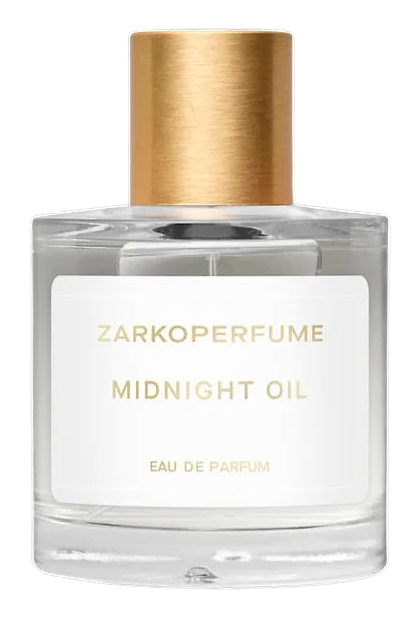
Heritage
A house, in its own words
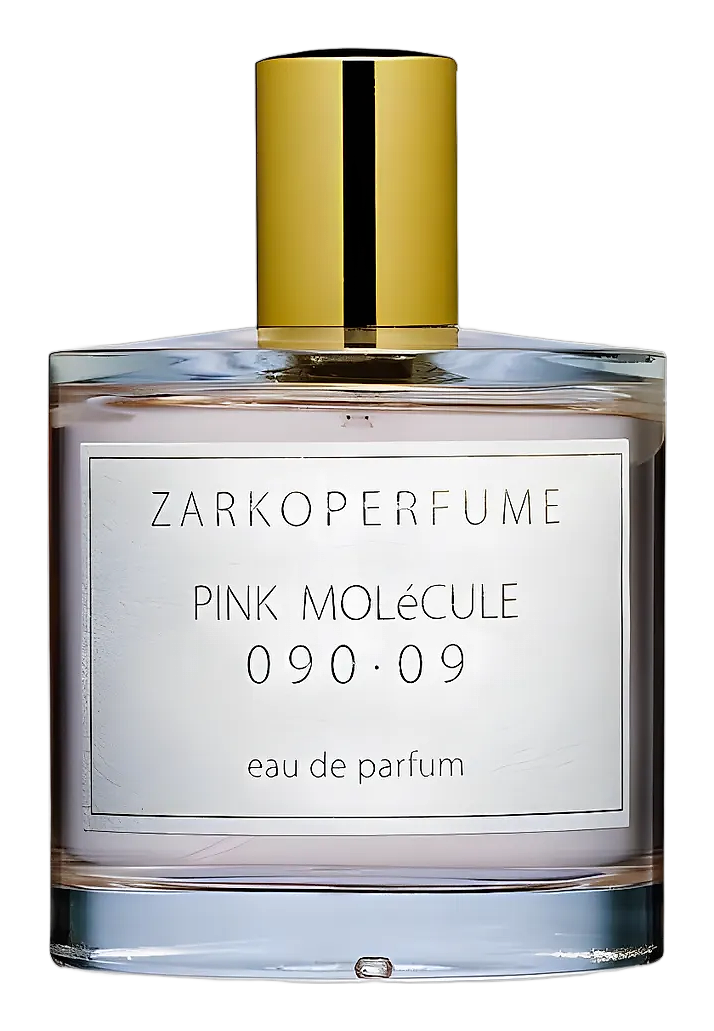
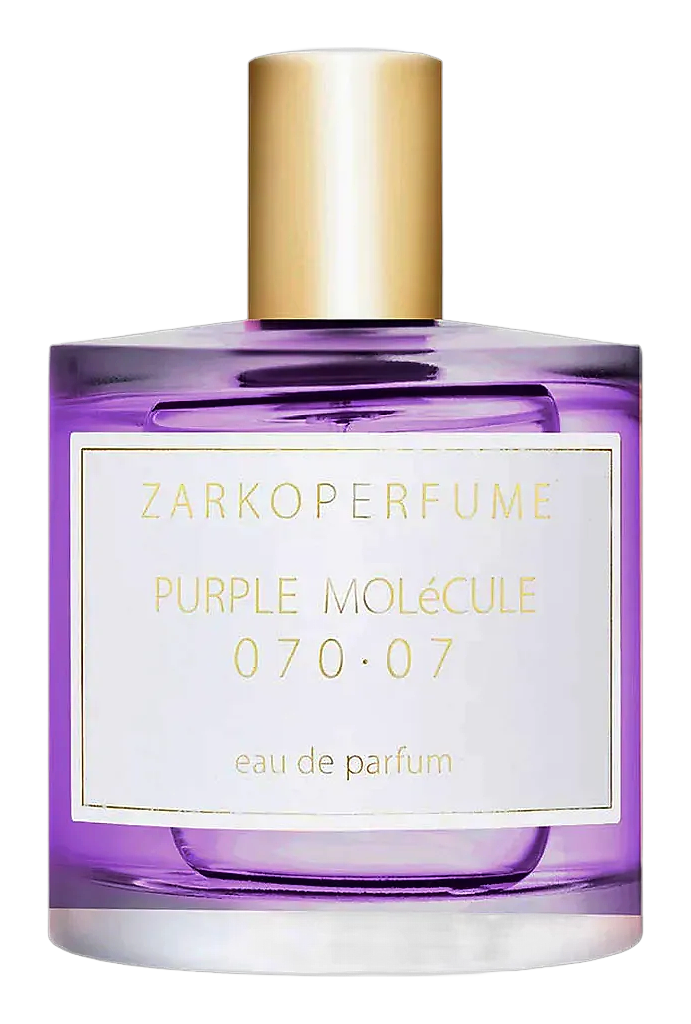
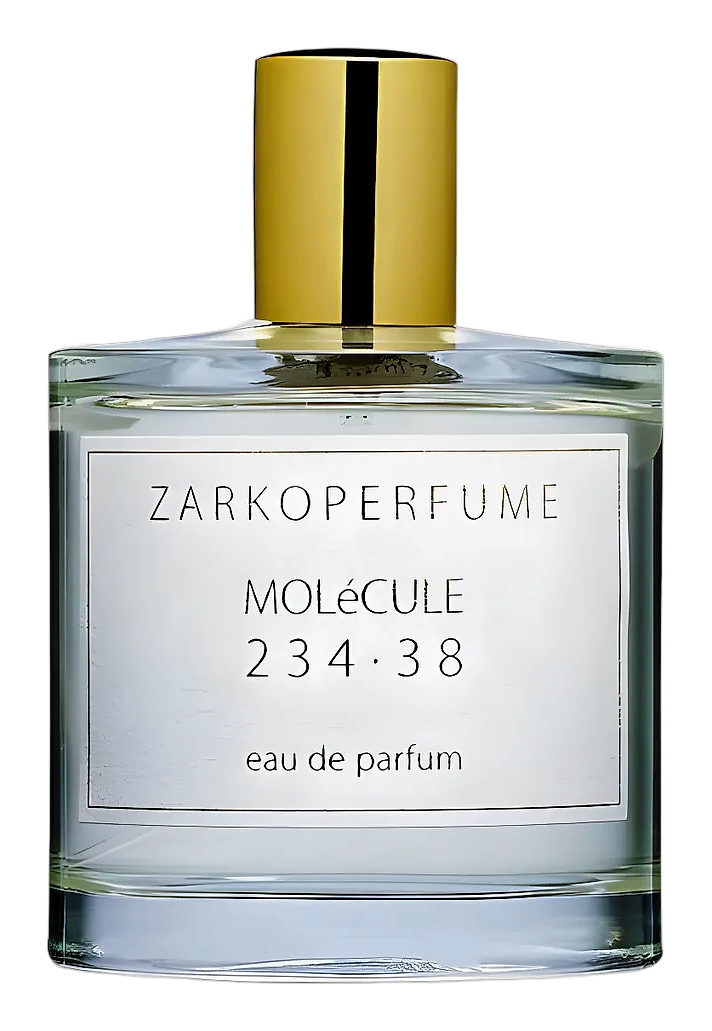
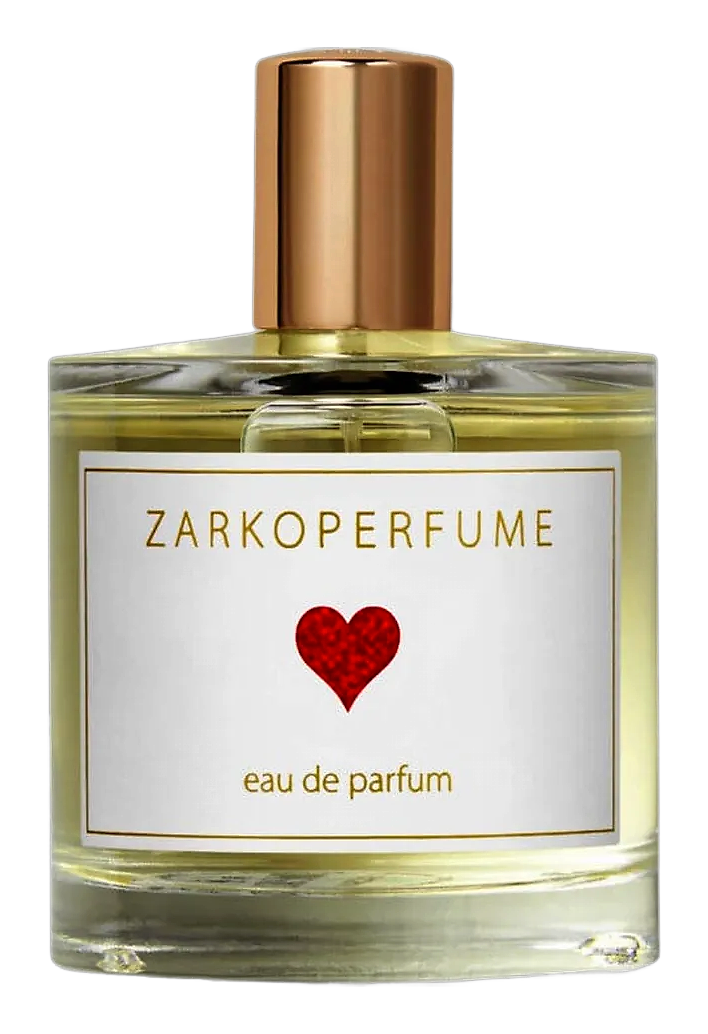
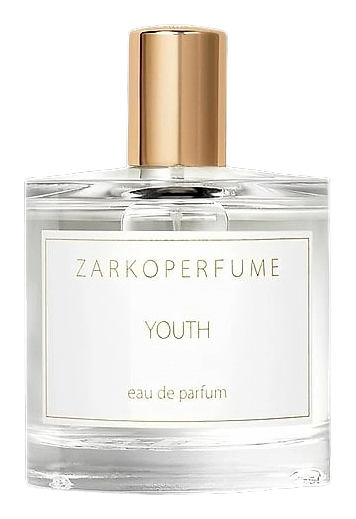
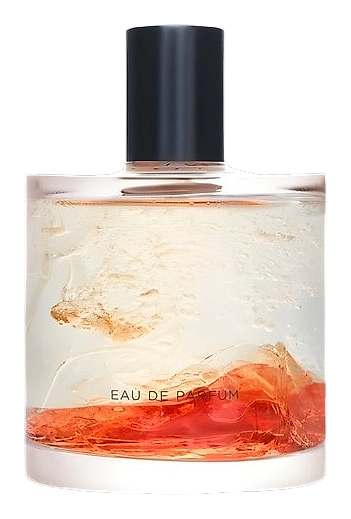
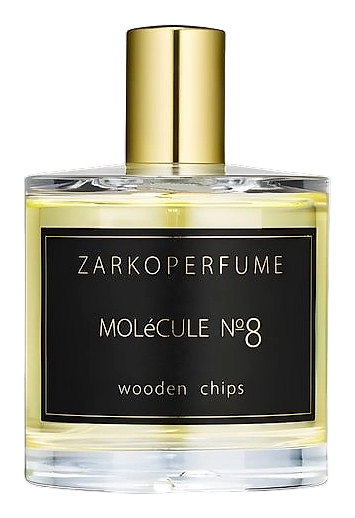
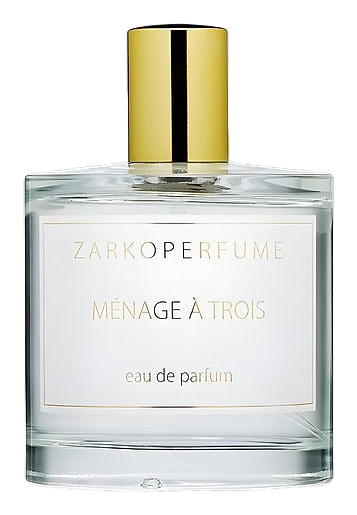
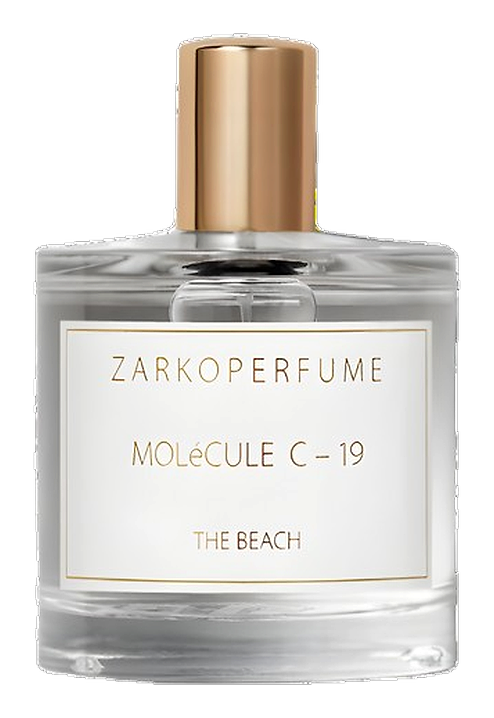
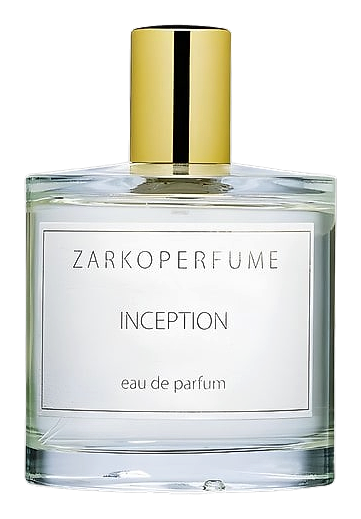
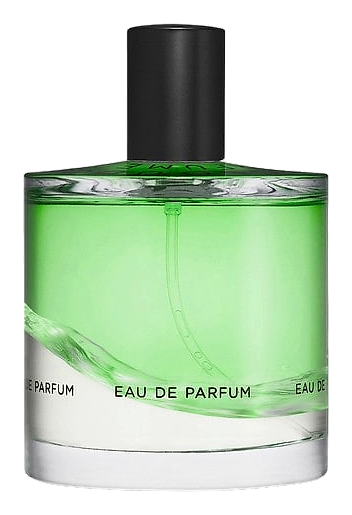
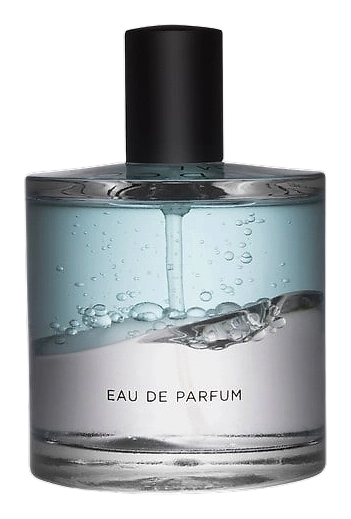
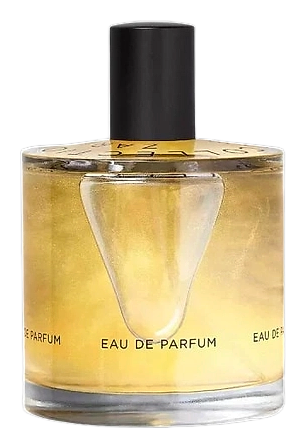
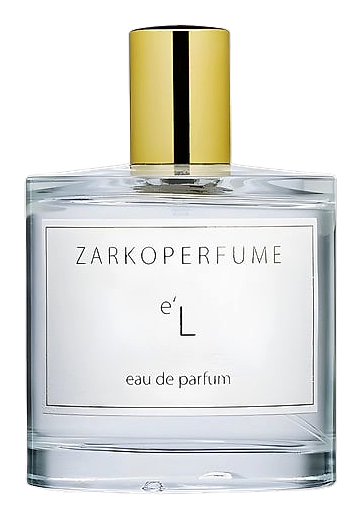
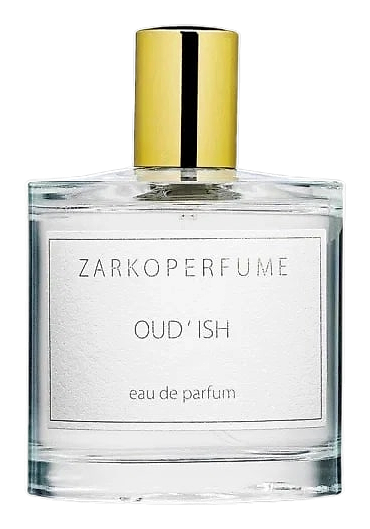
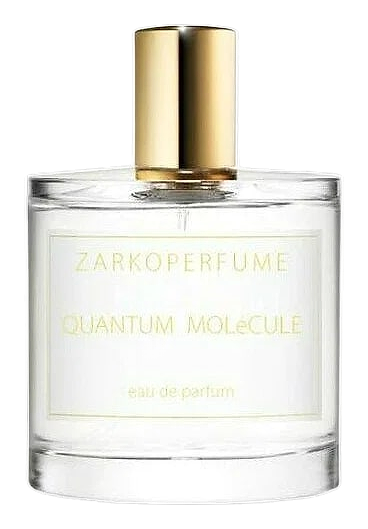
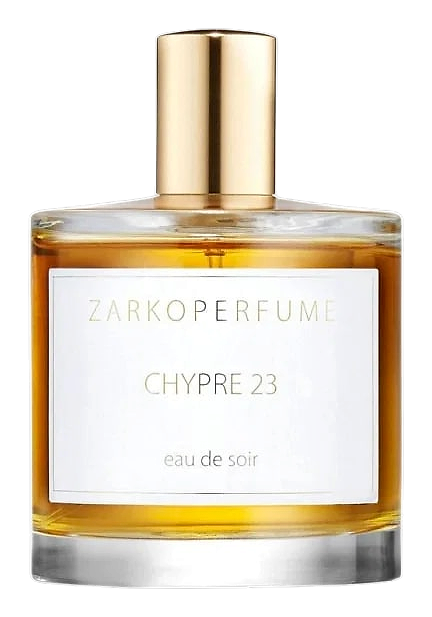
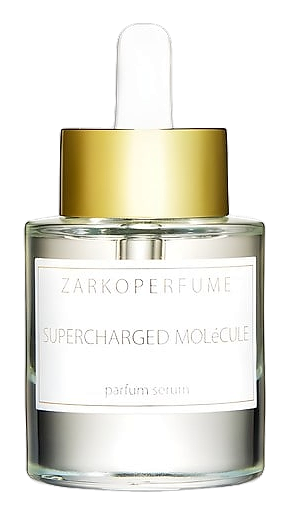
Zarko Ahlmann Pavlov grew up in Denmark with a lifelong fascination for scent. After years of studying fragrance chemistry and testing formulations in a modest home lab, he launched ZARKOPERFUME in 2014. The brand’s first public offering, MOLéCULE 234.38, arrived in 2013 as a pre‑launch experiment, followed by the officially dated debut of PINK MOLéCULE 090.09 in 2014. Early releases such as MOLéCULE No. 8 (2015) and Supercharged Molécule (2016) established a pattern: each fragrance is anchored by a single, often synthetic, aroma‑chemical that defines its character. In 2017 the Cloud Collection arrived, expanding the narrative to a series of airy, vapor‑like scents that still adhered to the brand’s molecular focus. The following year, Chypre 23 and Cloud Collection No 2 reinforced ZARKOPERFUME’s commitment to minimalist composition while experimenting with new molecular structures. By 2019 the house introduced Purple Molecule 070 · 07, a nod to the visual language of color‑coded chemistry. The Muse (2020) marked a subtle shift toward narrative titles, yet retained the brand’s signature precision. In 2021 Quantum Molecule arrived, showcasing the latest synthetic discoveries and confirming ZARKOPERFUME’s role as a laboratory‑style fragrance house. Throughout its decade, the brand has remained independent, with Zarko as the sole perfumer, and continues to release limited‑edition bottles that appeal to collectors who value both rarity and scientific curiosity. ZARKOPERFUME treats scent as a dialogue between molecule and mind. Zarko Pavlov states that he designs fragrances to interact with the senses beyond simple olfaction, aiming for a tactile, almost visual response. The brand embraces Scandinavian minimalism, stripping away ornamental storytelling in favor of clear, data‑driven descriptions. Each perfume’s name consists of a code that references the primary aroma‑chemical, encouraging wearers to focus on the material itself rather than marketing myth. ZARKOPERFUME values transparency, often sharing the exact molecule that anchors a scent, and it encourages collectors to build personal libraries that can be compared like scientific specimens. The house rejects mass‑market trends, preferring to explore the limits of synthetic chemistry while occasionally pairing it with natural accents, a balance that reflects Pavlov’s belief that innovation thrives when tradition and technology converse.