The Story
Why it exists.
The beginning
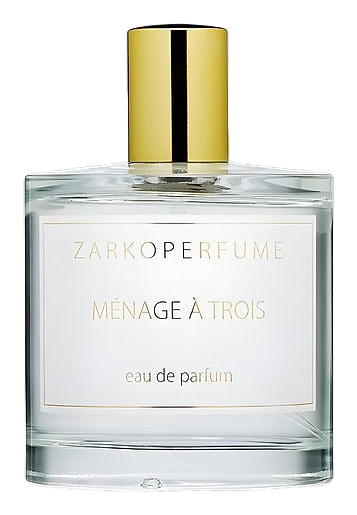
The name says everything. Ménage à Trois, the most forbidden of arrangements, where three becomes inevitable and discretion goes out the window. Zarko Ahlmann Pavlov built this fragrance around that tension: the legal, the illegal, and what happens when you stop caring about the difference. Three musk molecules enter a compound. One of them has been fractionated to fit. The result is intimate and exhilarating in equal measure, a scent that doesn't negotiate between the two.
Musk is the skin beneath the perfume. Synthetic or natural, it's the part that makes people lean in. ZARKOPERFUME has made a career of isolating molecules and letting them speak, but Ménage à Trois asks what happens when you layer them instead. The watermelon isn't a top note in the traditional sense, it's more like a solvent that keeps the musk from getting too heavy, too fast. The combination is unusual enough that it reads as original, even though both materials have been used for centuries. The fractionated molecule is the secret: it behaves differently than its siblings, lingering where it shouldn't and arriving late to a conversation that started without it.
The evolution
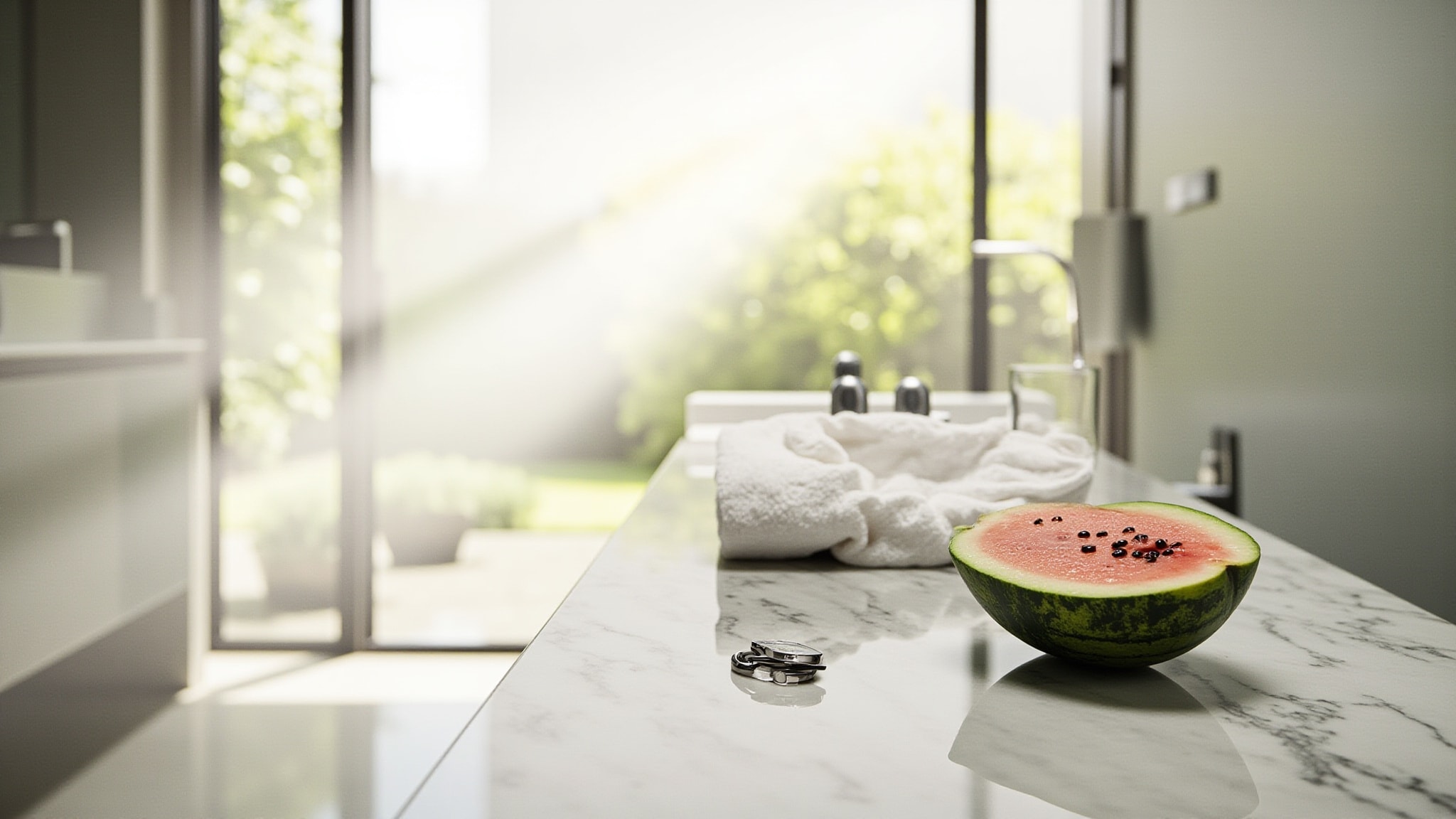
It opens cool. Watermelon hits first, that watery, green-flesh quality that smells like August afternoons and seeds you'll never find. Thirty minutes in, the musk arrives. Not the clean synthetic kind. This one has weight, texture, a faint animalic warmth that makes the watermelon smell less like fruit and more like skin that's been in the sun. The hand-off takes longer than expected, watermelon doesn't leave, it just recedes, becoming the background hum beneath the musk's insistence. Six to eight hours later, on fabric, the musk wins. On skin, it's closer, a negotiation that ends in something neither could have done alone. The next morning: faint, warm, close. Still there if you're looking for it.
Cultural impact
Ménage à Trois occupies an unusual position in the molecular fragrance landscape: it achieves distinctiveness through subtraction rather than addition. Where most niche houses build complexity with rare naturals, ZARKOPERFUME proves that two synthetic molecules, handled correctly, can read as original. The fragrance has found its audience among collectors who appreciate the house's clinical transparency and wearers who simply want something that doesn't smell like everything else.