




Heritage
A house, in its own words
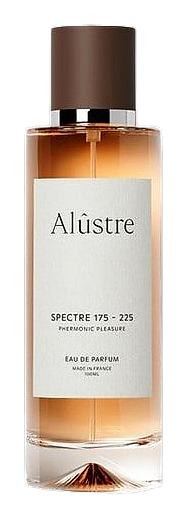
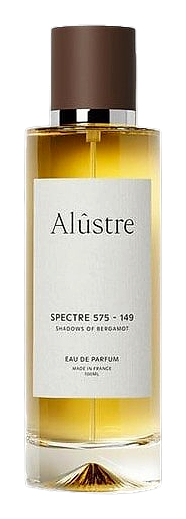
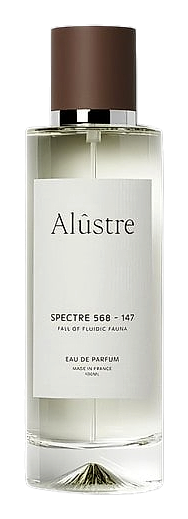
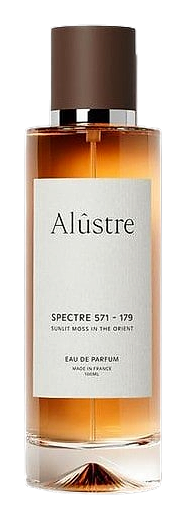
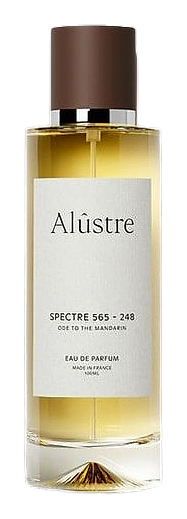
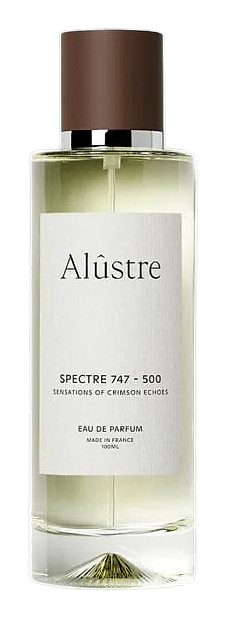
Alûstre operates as a Scandinavian fragrance house headquartered in Copenhagen, a city increasingly recognized for its design sensibility and appetite for minimalism with attitude. The house entered the fragrance conversation with its debut releases in 2023, launching the Spectre collection as a numbered series rather than a conventional lineup of named fragrances. This coding system, where each composition carries a distinct numerical identifier, became the brand's first signature, suggesting that scent can be approached with the same precision as a formula or a frequency. By 2024, Alûstre expanded the Spectre line with new entries, including woody compositions and richer oud-driven blends, demonstrating range without abandoning the original aesthetic logic. The brand's social presence in Glyfáda, an affluent coastal suburb of Athens, hints at a Mediterranean foothold that broadens its European reach. A collaboration with the creative studio FRAME produced a film for Alûstre's diamond-inspired fragrance, marking a step toward cinematic brand storytelling rather than traditional advertising. While Alûstre remains a young house, its trajectory reflects a deliberate construction of identity. Each release adds another layer to the Spectre universe, and the partnership with Duchaufour suggests a long game, one built on artistic collaboration rather than rapid output. Alûstre treats fragrance as language, where each Spectre number corresponds to a distinct emotional frequency. The house resists the conventional pull of romantic naming, opting instead for titles like Shadows Of Bergamot or Fall Of Fluidic Fauna, evocative phrases that suggest narrative rather than literal description. This approach invites the wearer to interpret, to meet the scent halfway. The creative vision centers on tension. Warmth against coolness, light against depth, structure against fluidity. Compositions are built around paradox, pairing dense materials like sandalwood and leather with cooler notes like iris and papyrus. Alûstre's aesthetic of calculated duality extends beyond the bottle: the brand positions itself at the intersection of Scandinavian restraint and Mediterranean warmth, a hybrid identity that feels considered rather than contradictory. What sets the house apart is the insistence on authorship. Bertrand Duchaufour's involvement signals that Alûstre values a perfumer's signature over committee-driven scent design. The result is a collection where each composition carries a recognizable point of view, rare in a market saturated with safe crowd-pleasers.