The Story
Why it exists.
The beginning
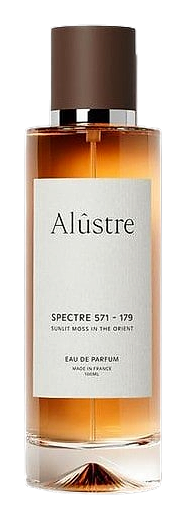
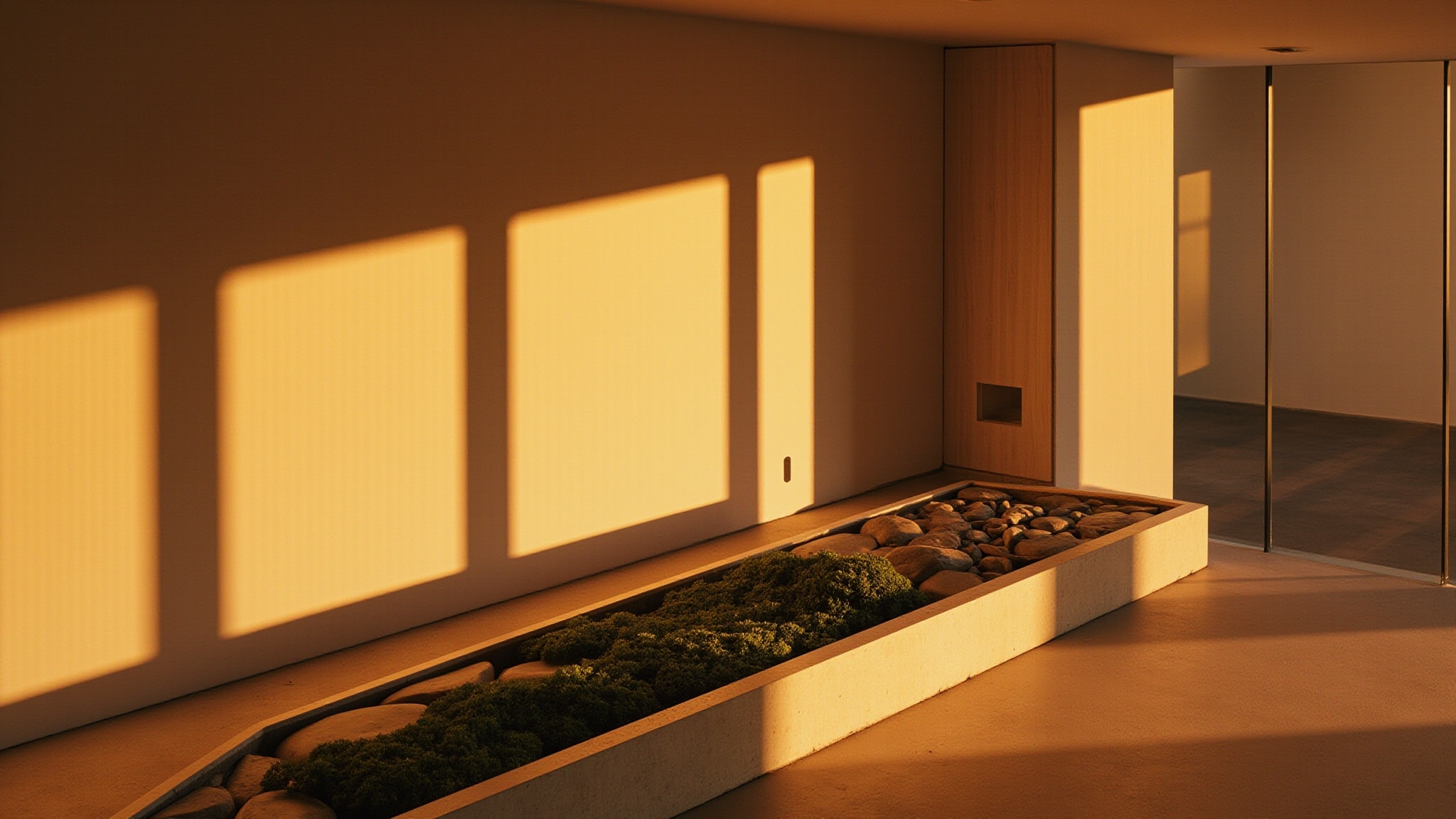
Spectre 571, 179 takes its name from coordinates, not sentiment. Sunlit Moss in the Orient captures a specific kind of light: the hour when sun hits damp earth and the air turns green and alive. Bertrand Duchaufour built this around a paradox, cool-toned moss getting warmed by amber and resin, like light filtering through forest canopy. It's a fragrance about the meeting point, not the extremes.
What makes this composition unusual is the galbanum up front. It gives a bright, bitter mossiness that most fragrances bury under sweetness. Then comes the earthy heart: patchouli, cypress, and oak working together to create something that smells like the forest floor after rain, not like a candle. The myrrh and ambergris base keeps it grounded, warm resins holding the green notes like a frame holds glass.
The evolution
The opening hits sharp. Galbanum and birch leaf arrive together, green, almost medicinal, a quick sting that fades within minutes. Then the saffron appears, warm and slightly metallic, threading through the green. By the second hour, the patchouli dominates: earthy, humid, the smell of soil and roots. The oak and cypress build slowly, adding structure. The drydown is where this lives longest, myrrh and ambergris settling close to the skin, moss still present underneath like memory. Six to eight hours, depending on your skin. The next morning, there's a faint resinous warmth on fabric that lingers if you let it.
Cultural impact
Wearers describe it as the scent of someone who walks into a room and doesn't need to announce themselves. The galbanum opening is polarizing, some find it medicinal, others find it the best part. But the earthy heart wins most people over by the second hour. It's not safe, but it's worth the trip.