
The Story
Why it exists.
The beginning
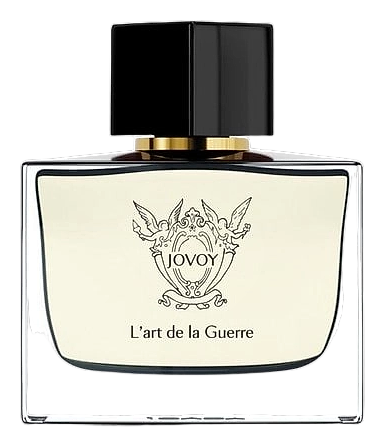
L'Art de la Guerre invites contemplation before the first spray. Jovoy asked perfumer Vanina Muracciole to build something around tension: the calculation before a confrontation, the composure under pressure. Not aggression. Composure. The name sets expectations, but the scent itself is the real conversation. Jovoy's publishing-house model means each perfumer gets room to interpret the brief through their own lens, and Muracciole's interpretation is structured around a specific kind of contrast, the kind that makes you recalibrate mid-conversation. The immortelle heart provides a bitter-honeyed complexity that rewards close attention. Rhubarb introduces a sharp tartness that cuts through the density. Leather takes over in the drydown, grounding everything with something dry and unexpected.
The composition uses Corsican immortelle as the structural anchor, which is unusual for a fougère. Immortelle brings a honeyed, slightly medicinal quality that reads as both floral and bitter, a note that behaves differently depending on skin chemistry and temperature. Pairing it with rhubarb and nutmeg creates a tart-spicy axis that runs through the heart rather than sitting at the top. That's the move that separates this from a conventional aromatic fougère. It's not playing by the rules of the family, it's using the family's grammar to say something else.
The evolution
The opening lands sharp: rhubarb and Granny Smith apple give an immediate tart-green burst that doesn't soften for the first twenty minutes. Calabrian bergamot keeps it Mediterranean rather than British, sun instead of fog. The heart arrives around the one-hour mark and shifts the register entirely. Corsican immortelle dominates: aromatic, slightly bitter, with an herb-like density that settles into the skin. Lavender and violet leaf bring green freshness that tempers the immortelle's weight, this is the phase that earns the fougère classification. By the third hour, the drydown takes over. Leather, oakmoss, and Indonesian patchouli settle close to the skin, earthy, structured, not loud. Australian sandalwood adds a creamy warmth that keeps the base from becoming austere. This is where the fragrance earns its name: not a battle, but the long game after. Lasts into the evening on most skin.
Cultural impact
L'Art de la Guerre sits in the fougère family but doesn't behave like one. The immortelle heart gives it a bitter-honeyed quality that rewards attention. Rhubarb adds a sharp tart edge that cuts through the density, and the drydown is all leather, dry and unexpected. This is a fougère for those who want something different from the standard template. It's not trying to please everyone, and that's exactly the point. The fragrance has found its audience among those who appreciate complexity over convention. Each note interacts with the others in a way that creates something greater than the sum of its parts.