Corsican Cistus
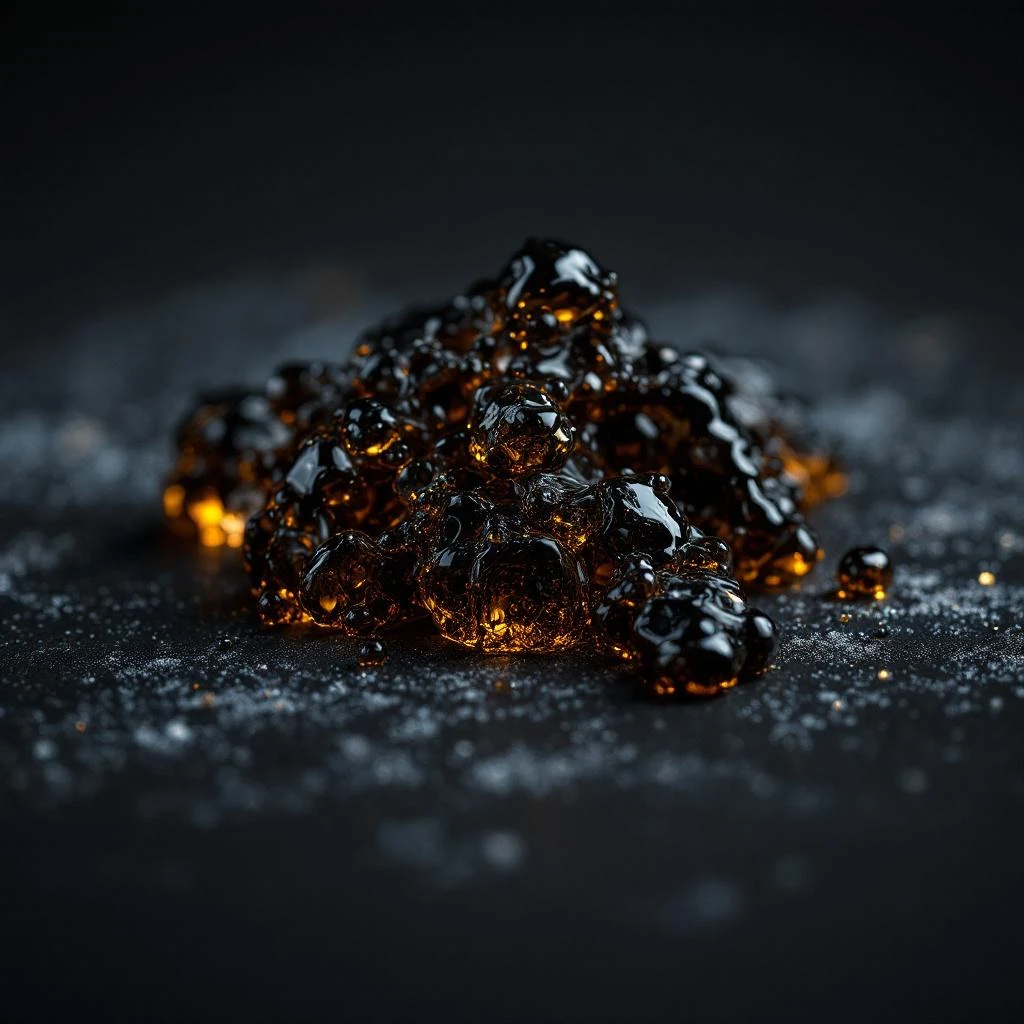
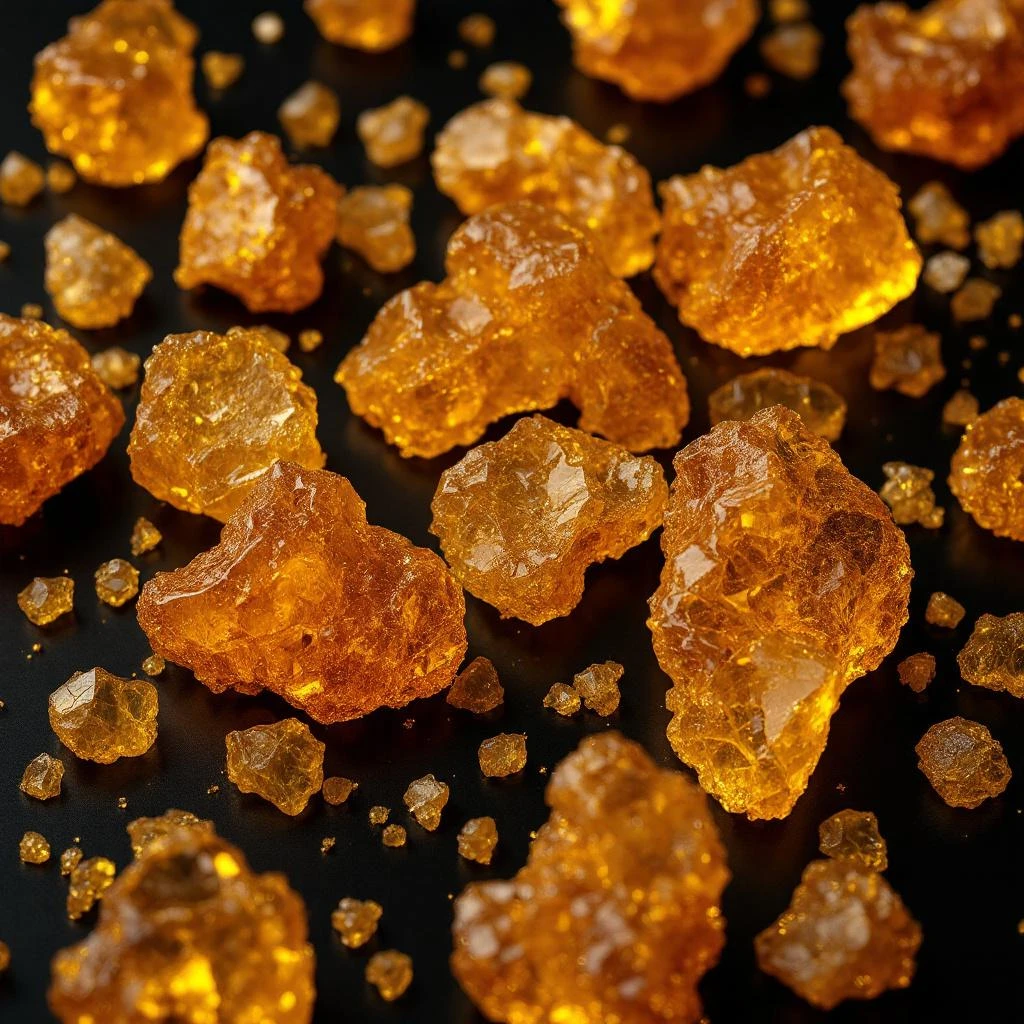
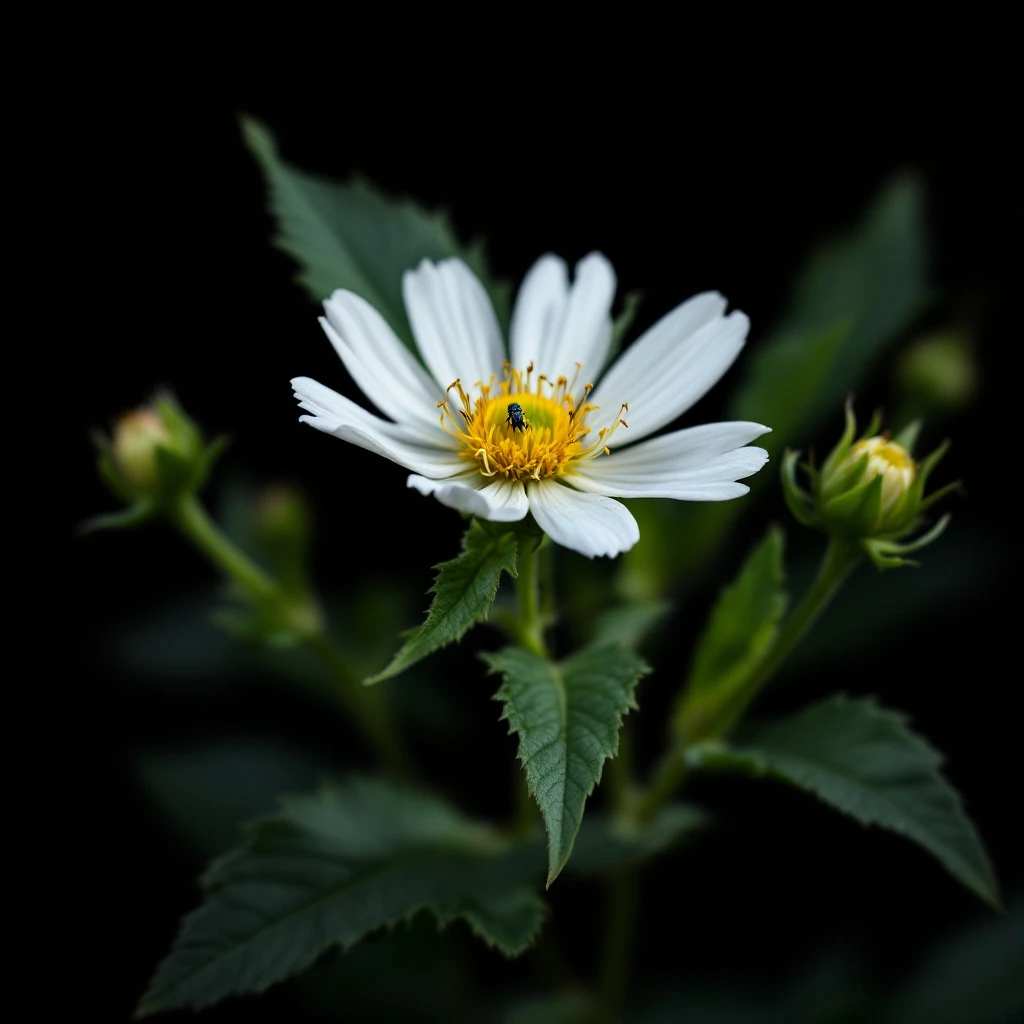
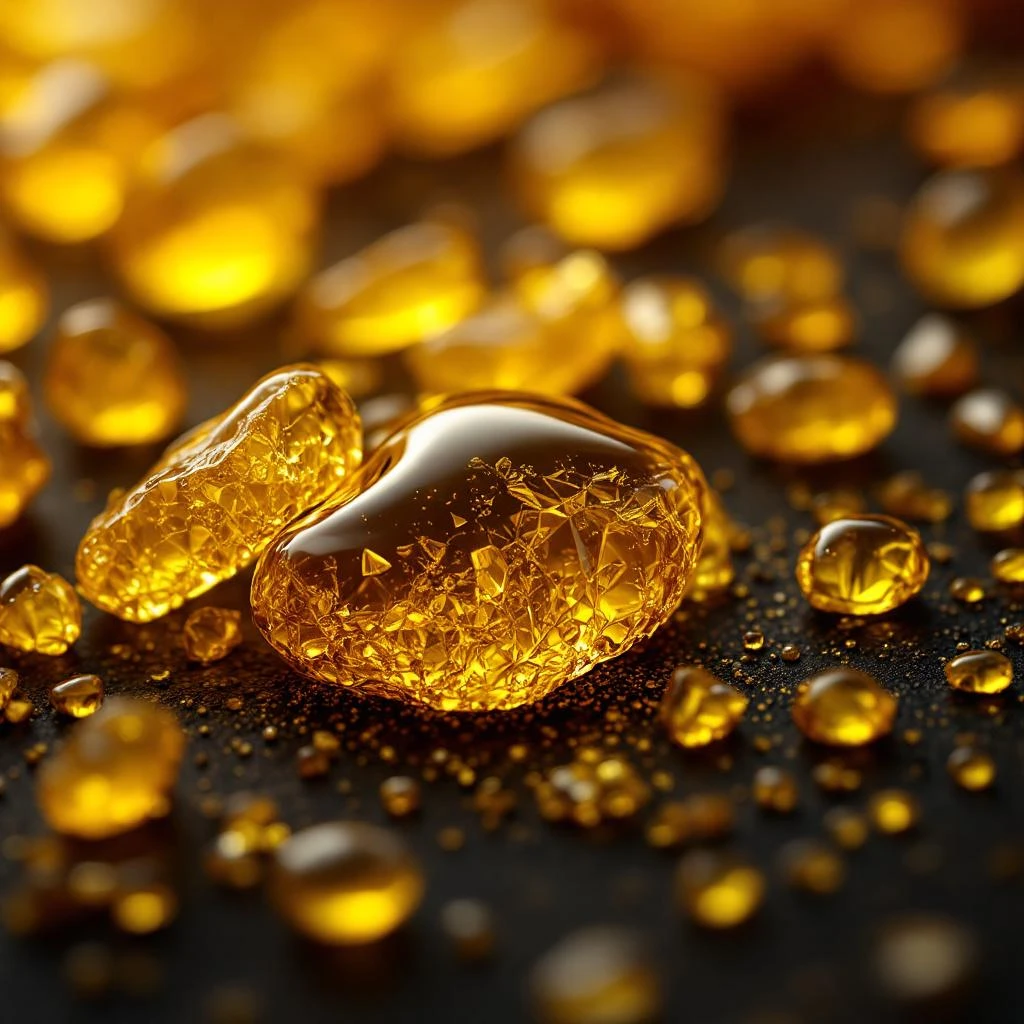
A warm, resinous note drawn from the sun-baked hillsides of Corsica. The sticky amber resin of Cistus ladanifer yields a rich, complex aroma combining honeyed warmth with dry, slightly leathery depth. This ancient material has anchored perfumes for millennia, lending an unmistakable warmth that feels both wild and refined.
Character
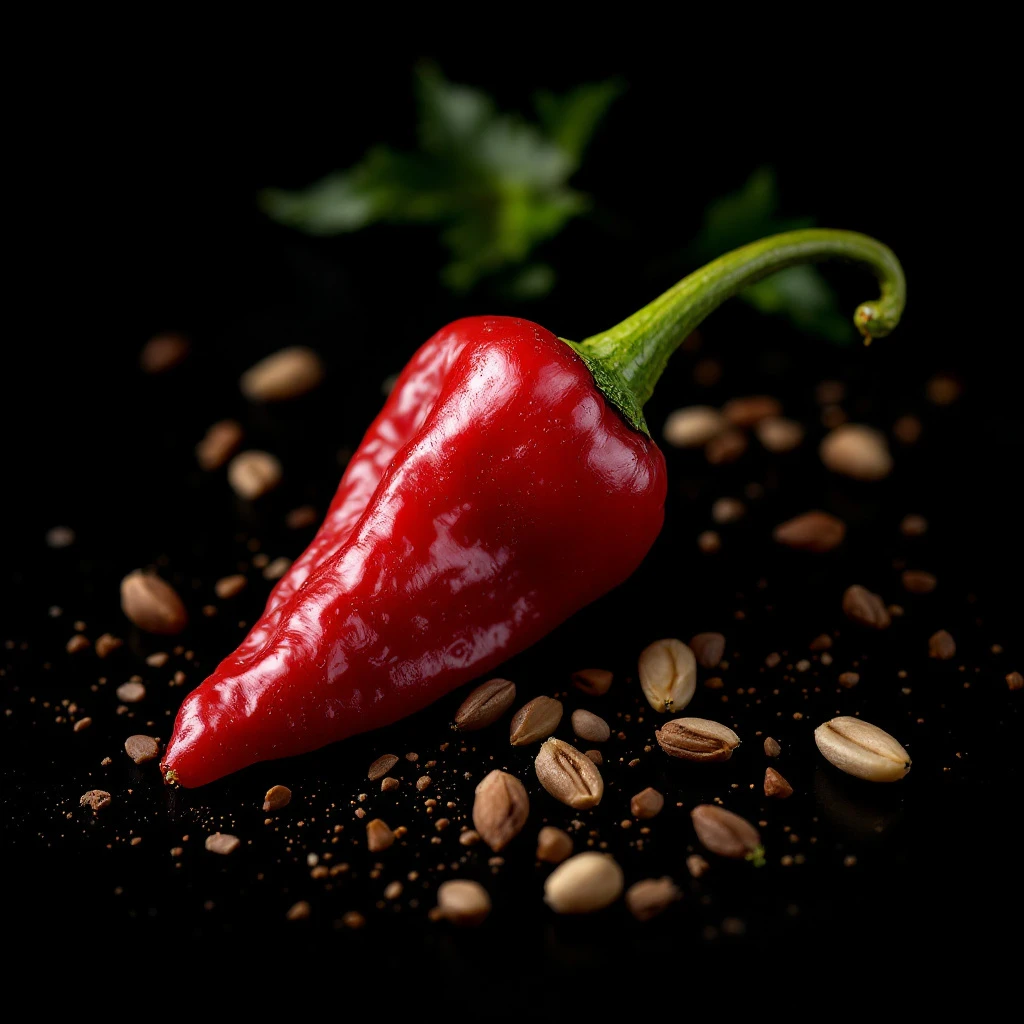
How it smells
The ancient amber of Mediterranean scrubland, captured in resin.
Ancient Egyptians used labdanum as a key ingredient in incense and mummification processes, valued as highly as frankincense in antiquity.




Origin
France
The Cistus plant has been central to Mediterranean perfumery since antiquity. Ancient Romans and Egyptians prized labdanum as a precious aromatic material, using it extensively in religious ceremonies, medicinal preparations, and personal fragrances.
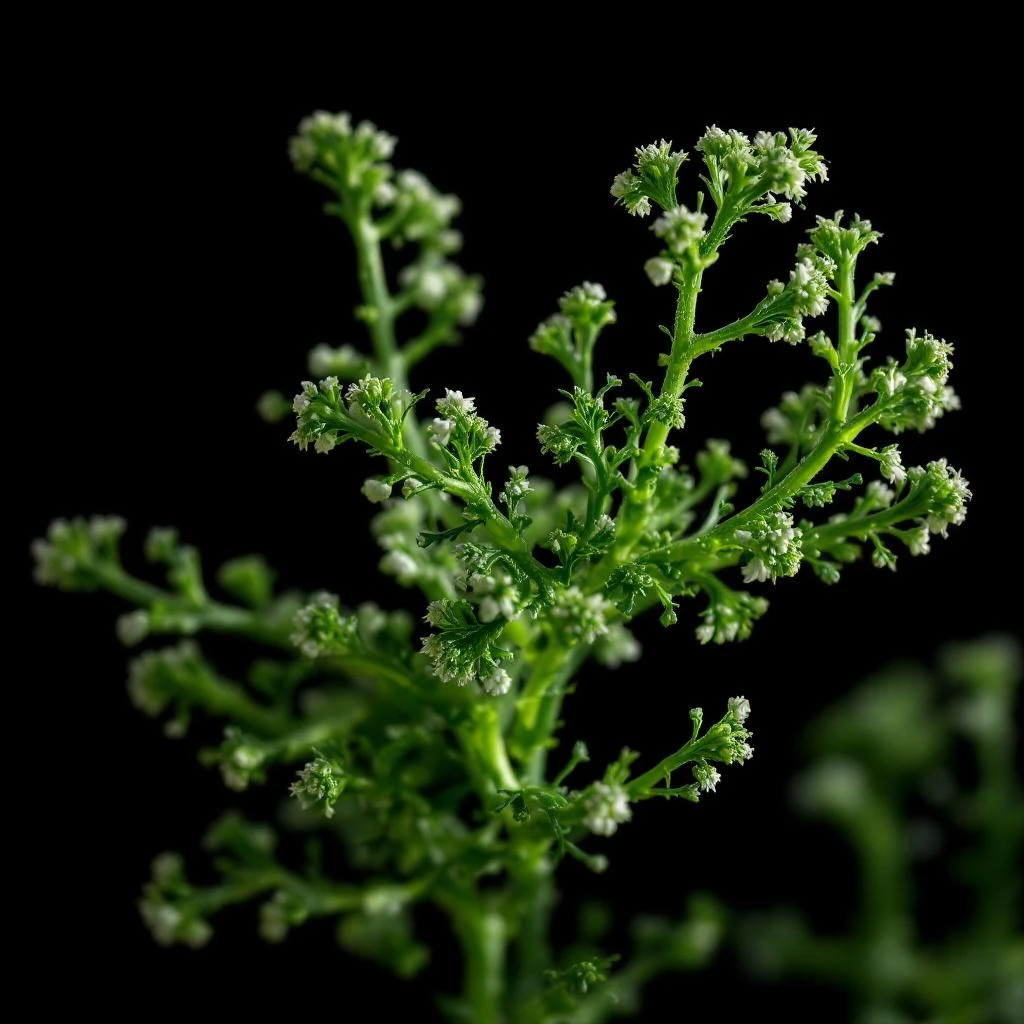
Historical records from the Roman era describe merchants trading labdanum at prices rivaling other precious resins. In Corsica, harvesting the resin from wild Cistus ladanifer shrubs became an artisanal tradition passed through generations, with families gathering the sticky substance from shrubs growing on the island's rocky, sun-exposed slopes.
The material found its way into early perfumes and was also incorporated into herbal medicine for its purported healing properties. By the time perfumery emerged as a formal craft in 19th-century Europe, labdanum had established itself as an indispensable ingredient, particularly in the formulation of chypre and amber fragrance families where its warmth and complexity continue to define these classic styles.
Wears it best
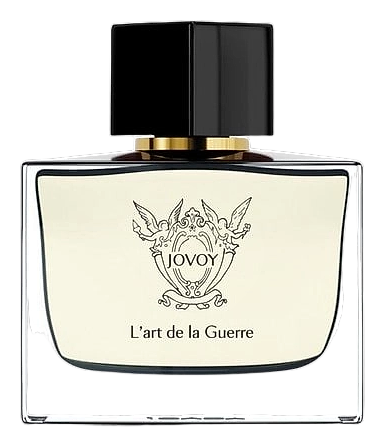
Fragrances featuring Corsican Cistus
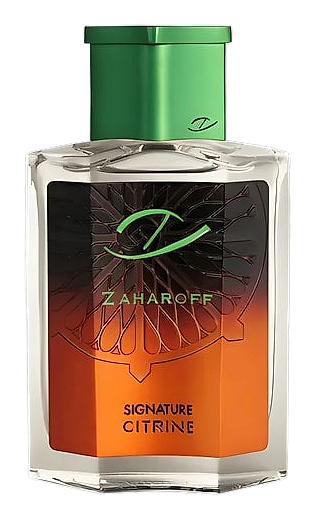
Brands
Brands known for Corsican Cistus
Good to know
Questions, answered
The essentials on Corsican Cistus in perfumery: how it smells, where it comes from, and how it behaves on skin.
What does Corsican Cistus smell like?
Corsican Cistus delivers a warm, ambery character with honeyed sweetness balanced by dry, slightly leathery undertones. The resinous quality creates an impression of sun-warmed wood and dried herbs, with subtle floral hints reminiscent of wild roses that grow alongside the shrubs.
How is labdanum resin harvested in Corsica?
Harvesters collect the sticky brown resin directly from the leaves and stems of wild Cistus ladanifer shrubs during the dry summer months. The shrubs naturally produce the resin as protection against heat and drought, making this the optimal time for gathering.
Which fragrance families rely on Cistus?
Cistus forms a foundational pillar of chypre and Ambrée fragrance families. Perfumers value its warmth and complexity for anchoring compositions, where it provides lasting depth and a characteristic amber quality that defines these traditional fragrance styles.
Is Cistus resin a natural perfumery ingredient?
Yes, Corsican Cistus resin is a fully natural material obtained from wild-harvested Cistus ladanifer. The solvent extraction process preserves the authentic aromatic compounds present in the living plant without synthetic modification.
Why is Cistus important in classical perfumery?
Cistus provides essential warmth and depth that few other ingredients can replicate. Its complex resinous profile creates a bridge between floral and oriental elements in compositions, giving perfumers a versatile material for building multi-dimensional fragrance structures.
Can synthetic alternatives replace natural Cistus?
Synthetics can approximate certain aromatic qualities of Cistus, but natural resin captures a complexity that remains difficult to fully reproduce. The interplay of hundreds of natural compounds creates nuances in warmth and texture that synthetic materials have not fully matched.
What other names is Cistus known by?
Cistus resin is most commonly called labdanum or ladanum in perfumery. The plant itself is referred to as rockrose or sun rose in horticultural contexts. Multiple species including Cistus ladanifer and Cistus creticus produce usable resin.
How does Corsican Cistus differ from Spanish or Cretan sources?
Corsican Cistus grows in distinct microclimate conditions shaped by the island's mountainous terrain and coastal influences. These environmental factors contribute subtle variations in the resin's aromatic profile, often described as having exceptional warmth and a particular clarity in its amber character.