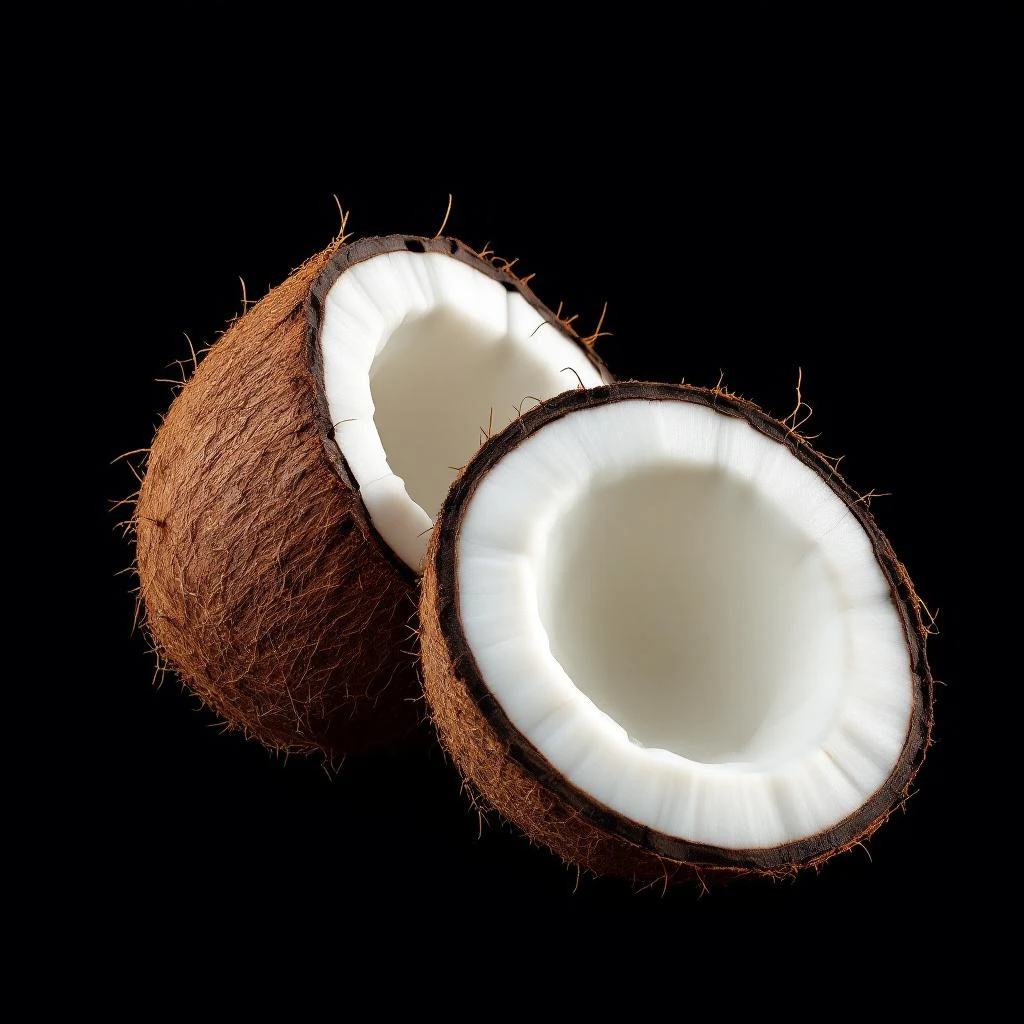
Algerian Clementine
Named for the monk who discovered it in an Algerian orphanage garden, clementine peel delivers a bright, zesty aroma with green sweetness and sun-ripened warmth that defines modern citrus perfumery.
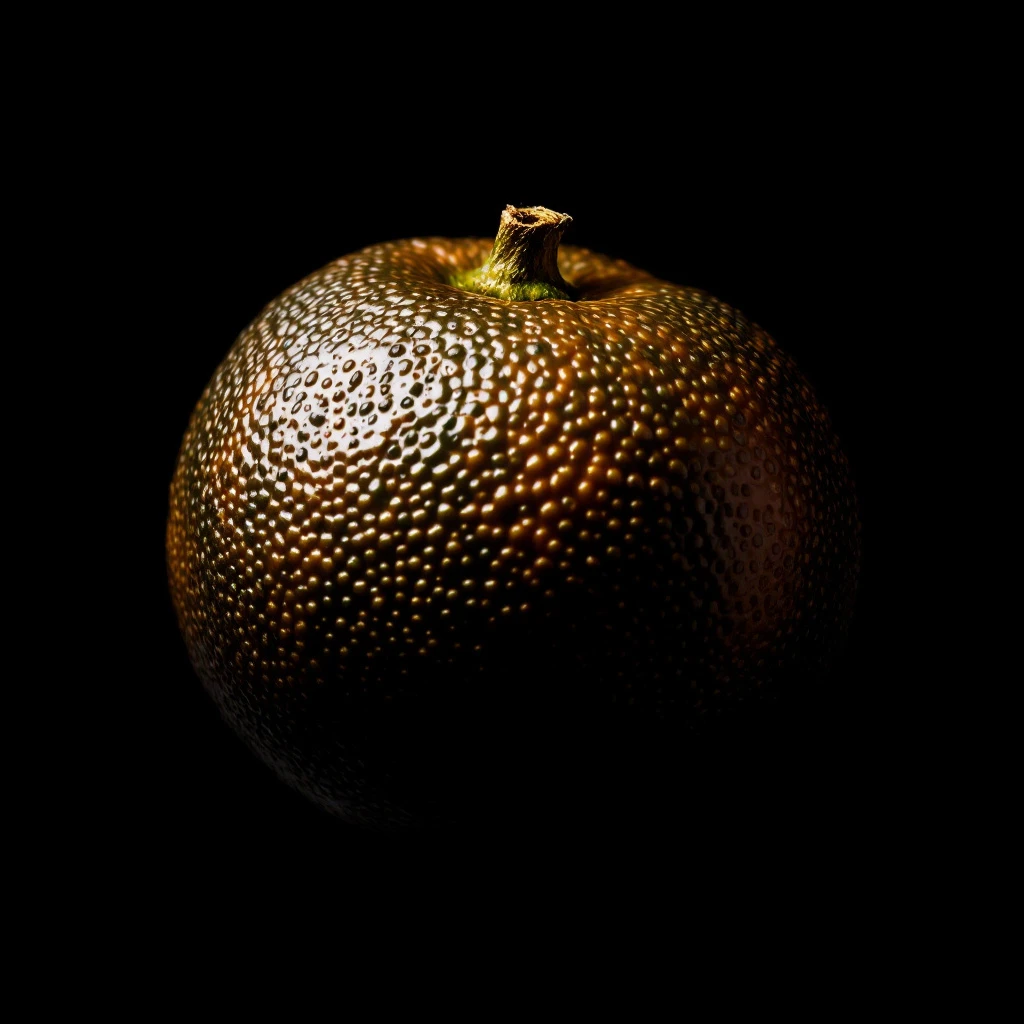
Character
How it smells
The accidental citrus that changed perfumery
Clementines were named after Father Clément, a French missionary who found the hybrid growing in an Algerian orphanage garden around 1900.



Origin
Algeria
The clementine owes its existence to an accident in colonial Algeria. Around 1900, Brother Clément, a missionary with the White Fathers order, noticed an unusual citrus seedling growing in the garden of an orphanage in Misserghin. The hybrid, likely a cross between a mandarin and bitter orange, produced smaller, sweeter fruit than its parents.
The discoverer initially named the variety Zanzibar, but it eventually took his own name. Within decades, clementines spread across the Mediterranean basin and became a commercial staple. Algeria remains one of the world's leading producers, with the fruit's aromatic peel now essential to citrus perfumery worldwide.
The ingredient represents how accidental cultivation in North Africa shaped a global fragrance material.
Wears it best
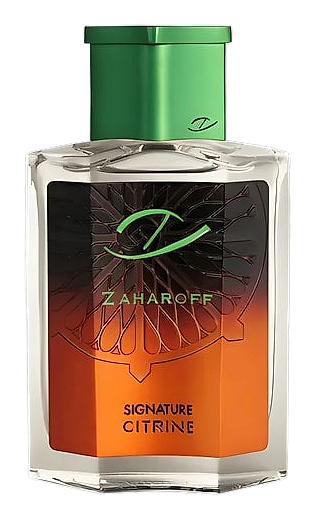
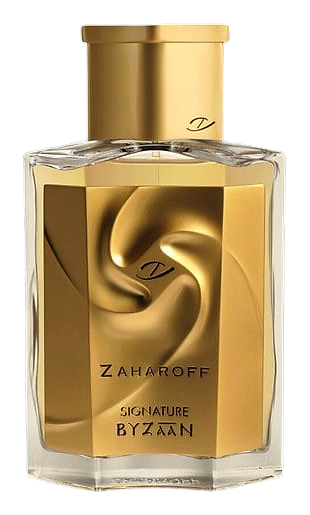
Fragrances featuring Algerian Clementine
Brands
Brands known for Algerian Clementine
Good to know
Questions, answered
The essentials on Algerian Clementine in perfumery: how it smells, where it comes from, and how it behaves on skin.
What does Algerian clementine smell like?
Algerian clementine peel offers bright, zesty citrus with sweet and slightly green nuances. The cold-pressed oil captures an authentic fruitiness that reads as fresh and sunny in compositions.
How is clementine oil extracted for perfumery?
Clementine oil is obtained through cold pressing the fruit peel. Machines score the rind and rupture oil glands, then centrifugal force separates the aromatic oil from juice components.
Why is clementine called Algerian?
The variety originated in Algeria around 1900 when Brother Clément discovered a hybrid citrus seedling in an orphanage garden. Algeria remains a primary producer of this aromatic fruit.
What distinguishes clementine from regular mandarin?
Clementines are a hybrid of mandarin and bitter orange, producing sweeter, less acidic fruit with a thinner, brighter peel. Their aromatic profile tends toward greener, fresher qualities.
Is natural clementine oil common in perfumery?
Natural clementine oil is less common than orange or lemon oils due to lower global production volumes. When used, it appears in fine fragrances seeking authentic citrus character.
What extraction method best preserves clementine's scent?
Cold pressing best preserves clementine's fresh, fruity character. Heat-based methods like steam distillation can alter the delicate esters responsible for its signature sweet-tart aroma.
Which fragrance families commonly use clementine?
Clementine appears in citrus, chypre, and modern fresh fragrance families. It adds brightness to top notes and contributes to the zesty heart of many contemporary compositions.
Does the growing region affect clementine's fragrance?
Algeria's Mediterranean climate and soil composition produce fruit with a distinctive aromatic intensity. The terroir contributes to the ingredient's characteristic balance of sweetness and vibrant acidity.