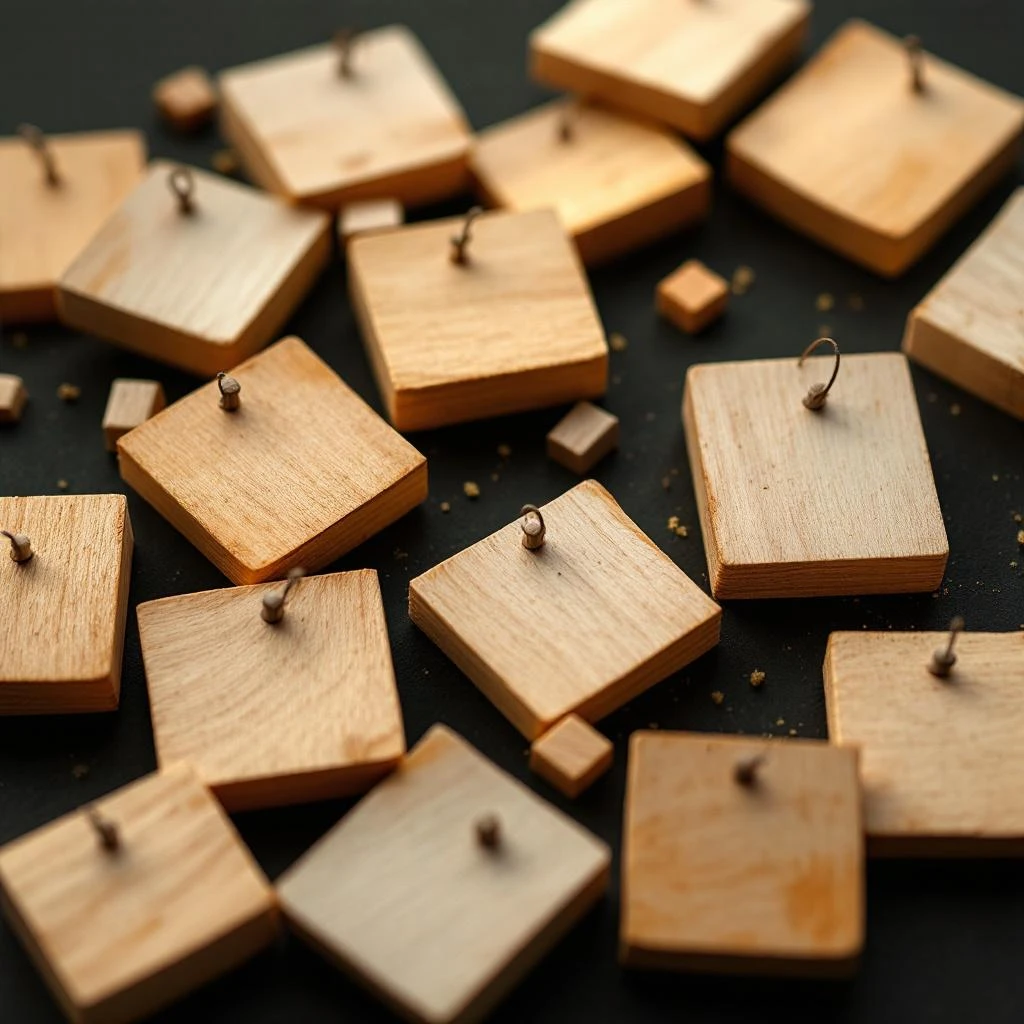
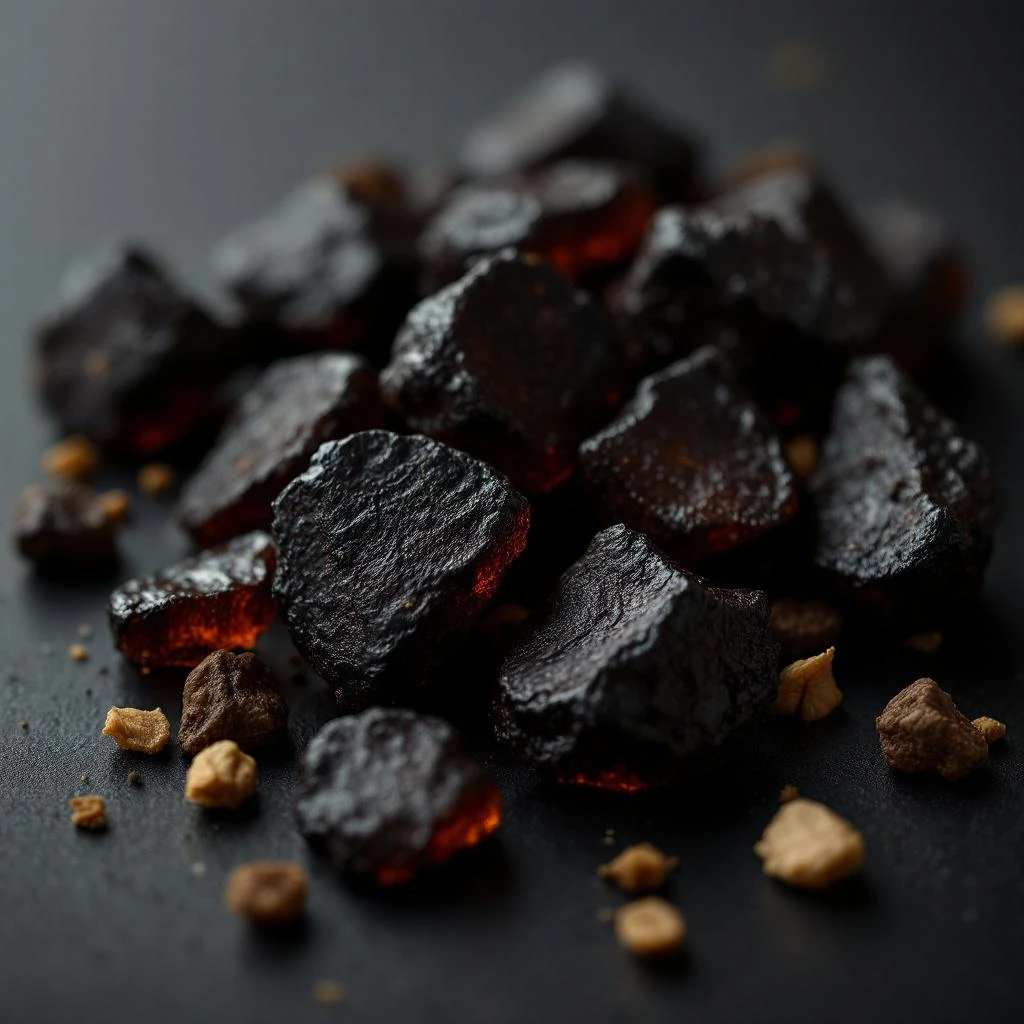
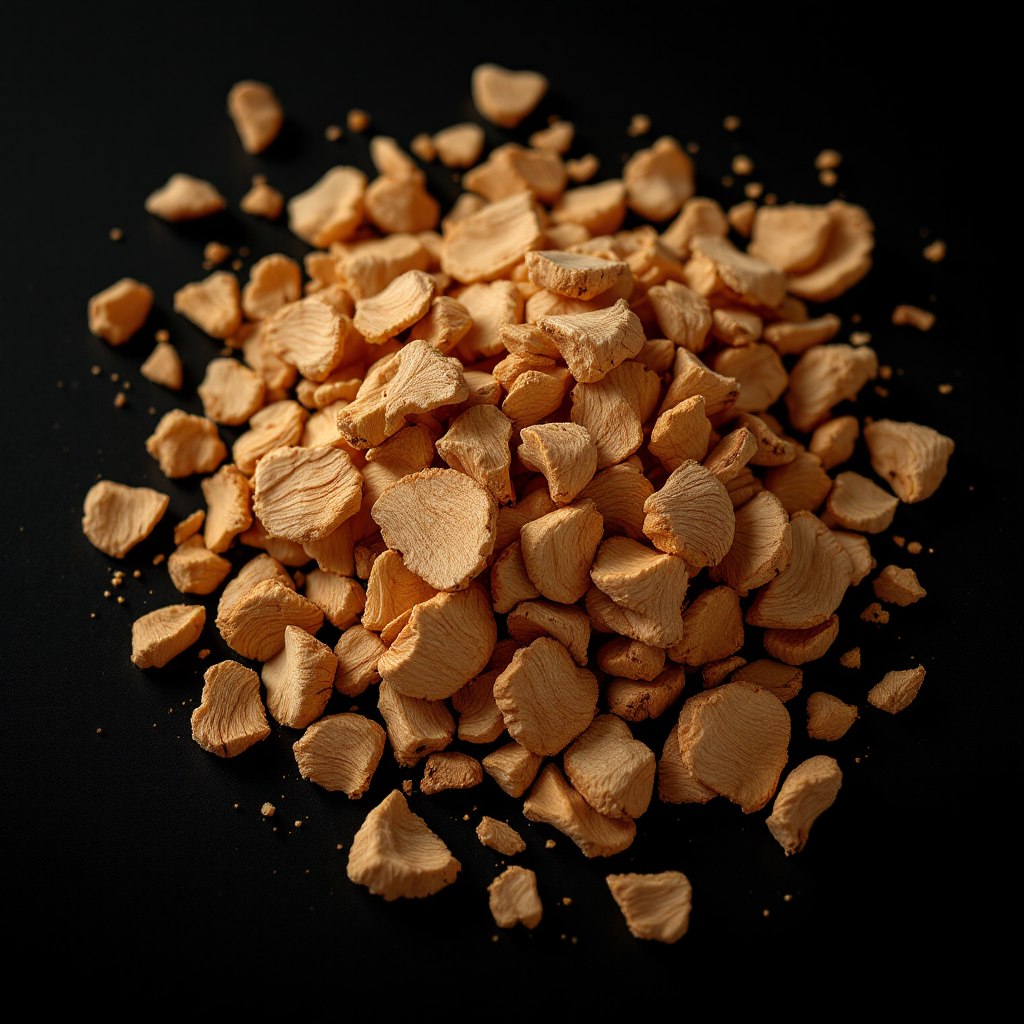
Ethiopian Sandalwood
Ethiopian Sandalwood brings a distinctive warmth to fragrance compositions, offering creamy, woody depth with subtle aromatic complexity from the ancient highlands of East Africa.
Character
How it smells
East African warmth in every note
Unlike Indian sandalwood, Ethiopian varieties grow at higher altitudes, developing unique aromatic profiles through years of careful cultivation.



Origin
Ethiopia
Sandalwood has anchored perfumery for millennia, with documented use stretching back 4,000 years. Ancient Egyptian embalmers valued it for ceremonial preparations, while Indian traditions trace its use to the seventh century BCE. Arab perfumers ground sandalwood into powder, using it as the base for solid perfumes.
African sandalwood varieties, including those from Ethiopia, represent a distinct branch of this ancient tradition. While Indian Santalum album dominated global trade, Ethiopian species served regional markets and cultural practices. These African varieties remained largely undocumented until perfumery scholar Arctander cataloged them in the twentieth century.
Today, Ethiopian Sandalwood offers an alternative source as traditional supplies face pressure from overharvesting and habitat loss.
Wears it best
Fragrances featuring Ethiopian Sandalwood
Brands
Brands known for Ethiopian Sandalwood
Good to know
Questions, answered
The essentials on Ethiopian Sandalwood in perfumery: how it smells, where it comes from, and how it behaves on skin.
What does Ethiopian Sandalwood smell like?
Ethiopian Sandalwood offers warm, creamy woody notes with subtle milky undertones. The scent is less intense than Indian sandalwood but delivers smooth, lingering warmth that works well as a base note in fragrance compositions.
How is Ethiopian Sandalwood different from Indian Sandalwood?
Indian Sandalwood (Santalum album) dominates global perfumery, but Ethiopian varieties come from different species adapted to highland climates. The aroma profile differs slightly, with Ethiopian sources often presenting softer, earthier characteristics.
Why is Ethiopian Sandalwood becoming important in perfumery?
Natural sandalwood faces critical scarcity. Santalum album sits near extinction due to overharvesting, pushing perfumers toward sustainable alternatives. Ethiopian sources offer traceable, responsibly managed supply chains.
Is Ethiopian Sandalwood sustainable?
Many Ethiopian producers practice selective harvesting, taking only mature heartwood and replanting saplings. This approach supports long-term supply while protecting native ecosystems from complete depletion.
What extraction method produces Ethiopian Sandalwood oil?
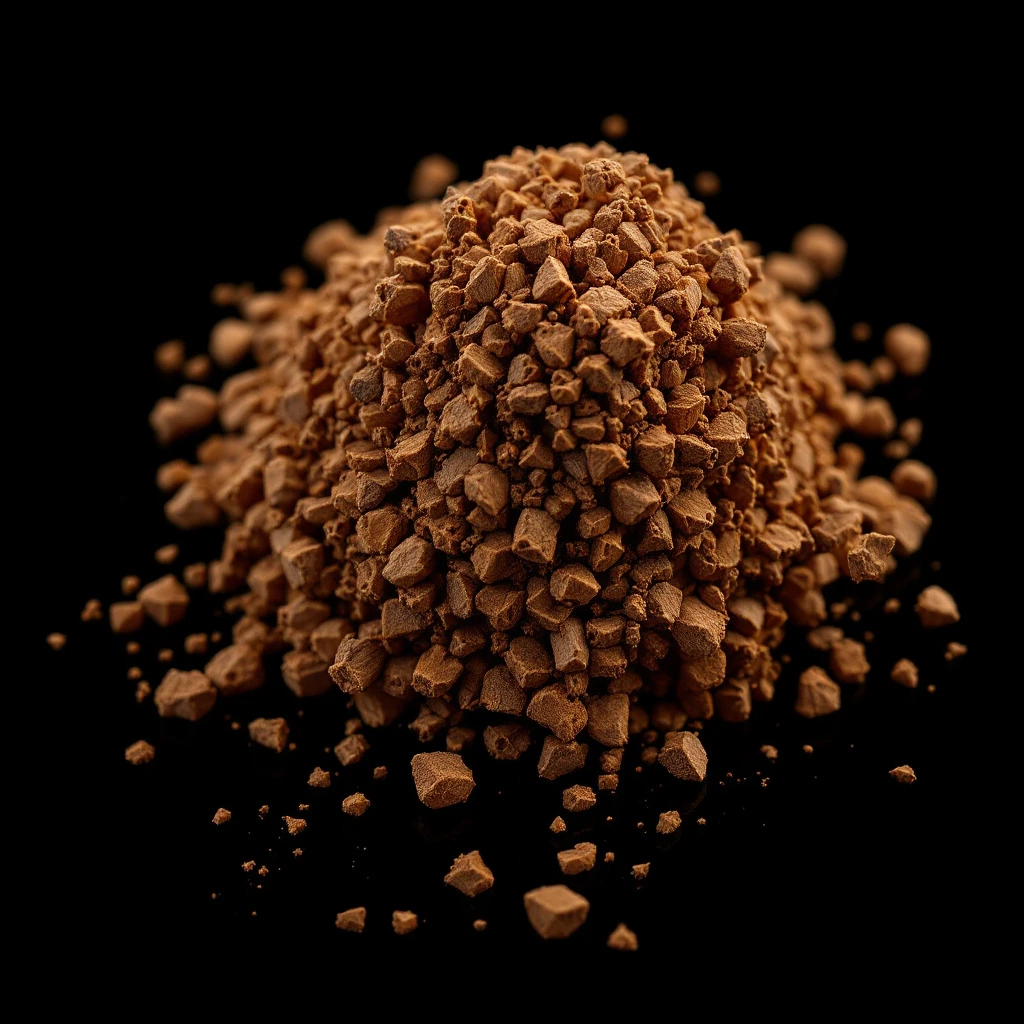
Steam distillation extracts oil from chipped heartwood. Producers load wood pieces into stills where steam carries aromatic molecules through condensation, separating珍贵的 oil from hydrosol.
Can Ethiopian Sandalwood replace synthetic sandalwood materials?
Ethiopian Sandalwood provides natural complexity that synthetics struggle to replicate fully. While ingredients like Polysantol and Sandalore offer consistent sandalwood aroma, natural sources deliver layered olfactory experiences.
What fragrances feature Ethiopian Sandalwood?
Niche and sustainable fragrance brands increasingly highlight Ethiopian Sandalwood as a differentiated ingredient. Check specific brand profiles for sourcing transparency, as disclosure varies across the industry.
How long has sandalwood been used in perfumery?
Sandalwood oil ranks among the oldest known perfume ingredients, with continuous use spanning 4,000 years. Ancient Egyptians used it for ceremonial purposes, while Indian and Arab traditions established it as a perfumery cornerstone.