Kenyan Pink Pepper
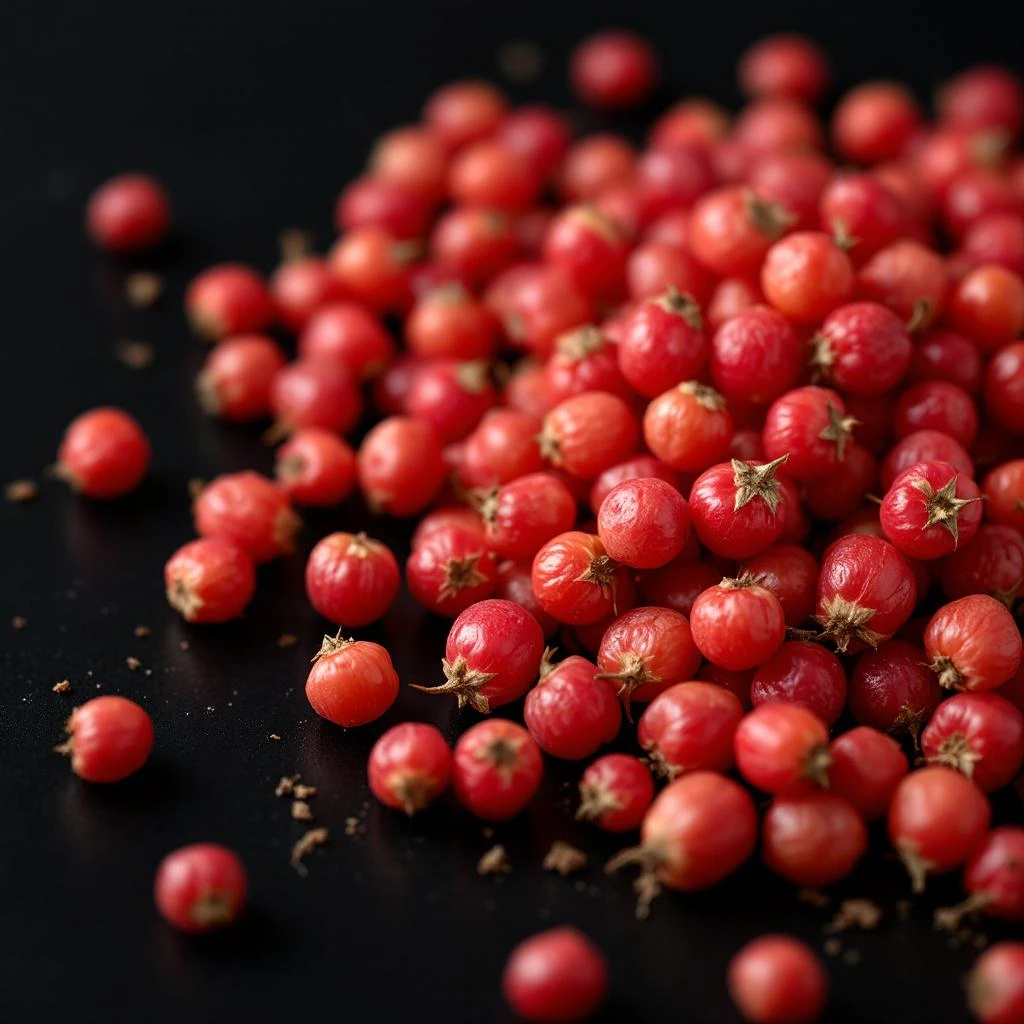
East African pink pepper from the Schinus molle tree delivers a bright, citrusy spice that modern perfumers prize for its versatility and warm, fruity top notes. Kenya's highland regions produce a distinct variety with regional character.
Character
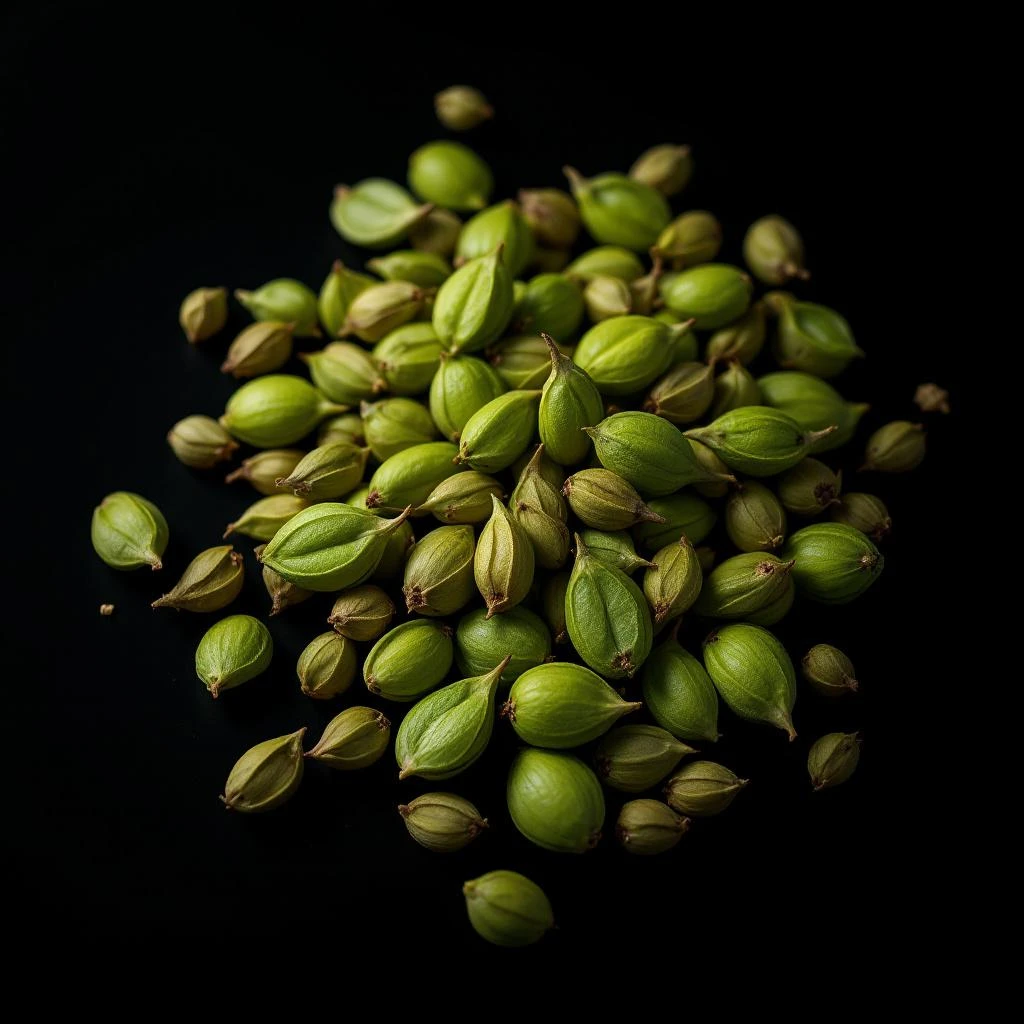
How it smells
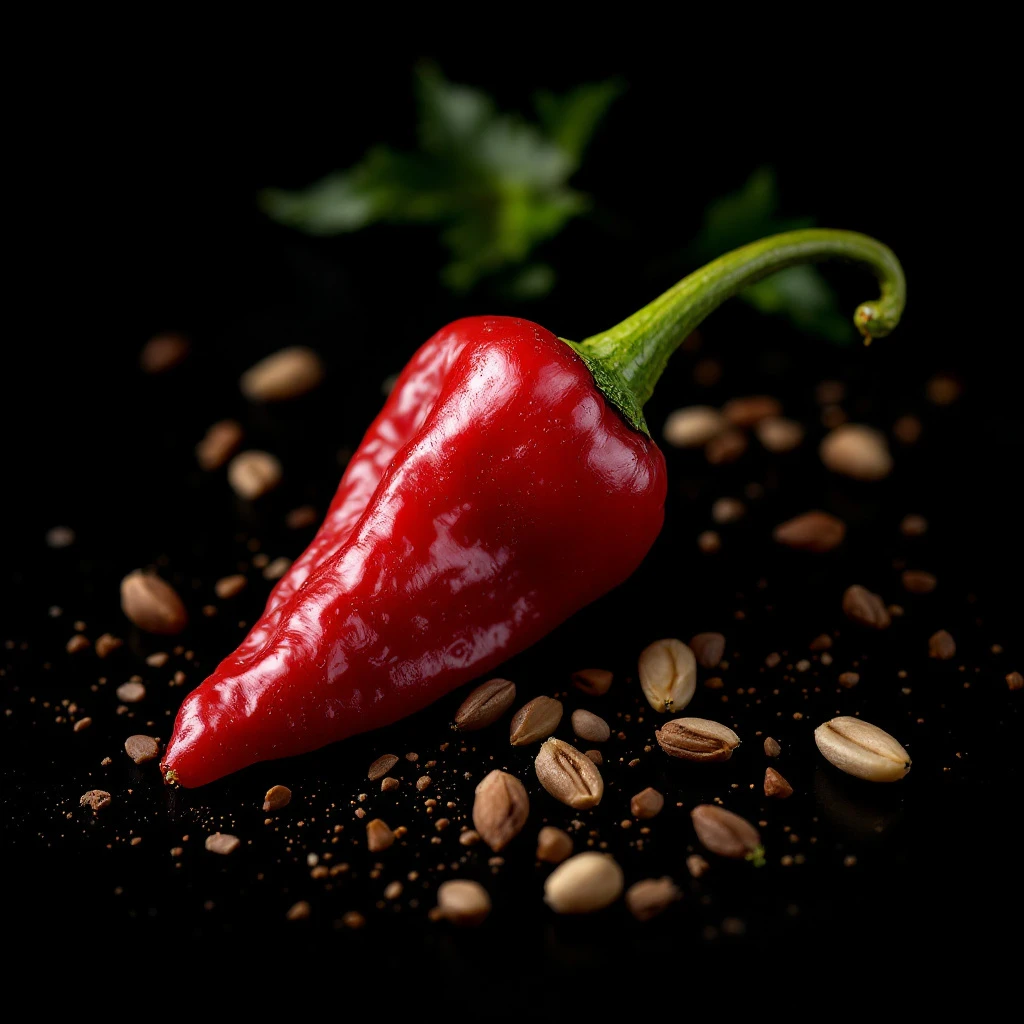
Bright East African spice with fruity warmth
Despite its common name, pink peppercorn belongs to the sumac family, not the Piper genus of true pepper. Its bright berry character comes from monoterpenes like limonene.




Origin
Kenya
The Schinus molle tree has deep roots across multiple continents, though its journey to East Africa reflects the complex history of botanical exchange. Indigenous Andean communities in Peru and Bolivia first cultivated the tree, using its berries, leaves, and bark in traditional medicine and ceremonial practices for centuries before European contact. Spanish colonizers documented the plant during the 16th century, and Portuguese traders subsequently introduced Schinus molle to Mediterranean regions and beyond. The plant adapted readily to subtropical climates worldwide, eventually establishing itself in East African highlands where it naturalized over generations.
Kenyan communities incorporated pink pepper into local healing traditions, recognizing its aromatic and medicinal properties. During the colonial era, botanical surveys cataloged the species across British East Africa, noting its presence in highland areas suitable for cultivation. The global spice trade had largely overlooked pink pepper in favor of Piper nigrum varieties, leaving it a regional specialty for centuries. Modern perfumery's rekindled interest in non-traditional aromatics during the late 20th century brought renewed attention to African-sourced materials.
Kenya's emerging essential oils industry identified pink pepper as a commercially viable crop suited to smallholder cultivation in highland regions. Today, Kenyan pink pepper represents a convergence of South American botanical heritage, African terroir, and contemporary fragrance demand.
Wears it best
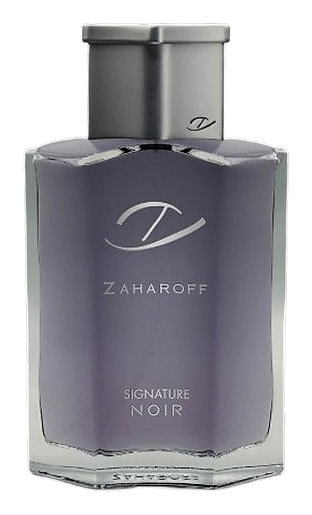
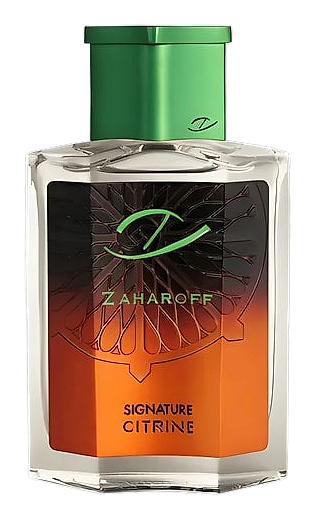
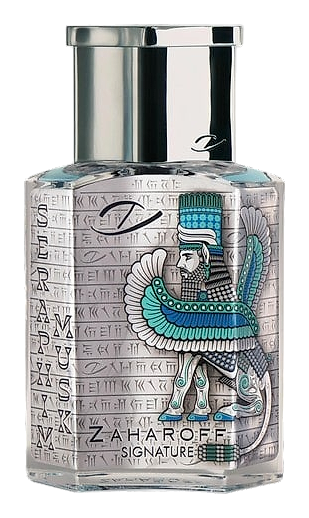
Fragrances featuring Kenyan Pink Pepper
Brands
Brands known for Kenyan Pink Pepper
Good to know
Questions, answered
The essentials on Kenyan Pink Pepper in perfumery: how it smells, where it comes from, and how it behaves on skin.
What makes Kenyan pink pepper distinct from other pink pepper origins?
Kenyan pink pepper develops unique aromatic qualities from the highland terroir of regions like the Aberdare Range and Mount Kenya area. Altitude, rainfall patterns, and volcanic soils influence the balance of limonene and alpha-pinene in the oil, creating a bright, citrus-forward profile with regional specificity.
How is pink pepper oil extracted from the berries?
Steam distillation is the standard method. Fresh or slightly dried berries are placed in a closed vessel where live steam passes through the plant material, carrying volatile aromatic compounds. The vapor condenses, separating the essential oil from the hydrosol based on density differences.
What compounds create pink pepper's characteristic aroma?
Limonene provides bright citrus notes while alpha-pinene contributes fresh, piney character. Beta-caryophyllene adds warm, slightly woody depth. This combination produces the distinctive bright-berry-spice profile that distinguishes pink pepper from true peppercorns.
What fragrance families use Kenyan pink pepper?
Perfumers employ pink pepper across citrus, floral, woody, and oriental compositions. It functions primarily as a top note, adding sparkle and diffusion. Common pairings include bergamot, rose, cedar, and amber base materials.
Is pink pepper related to black pepper botanically?
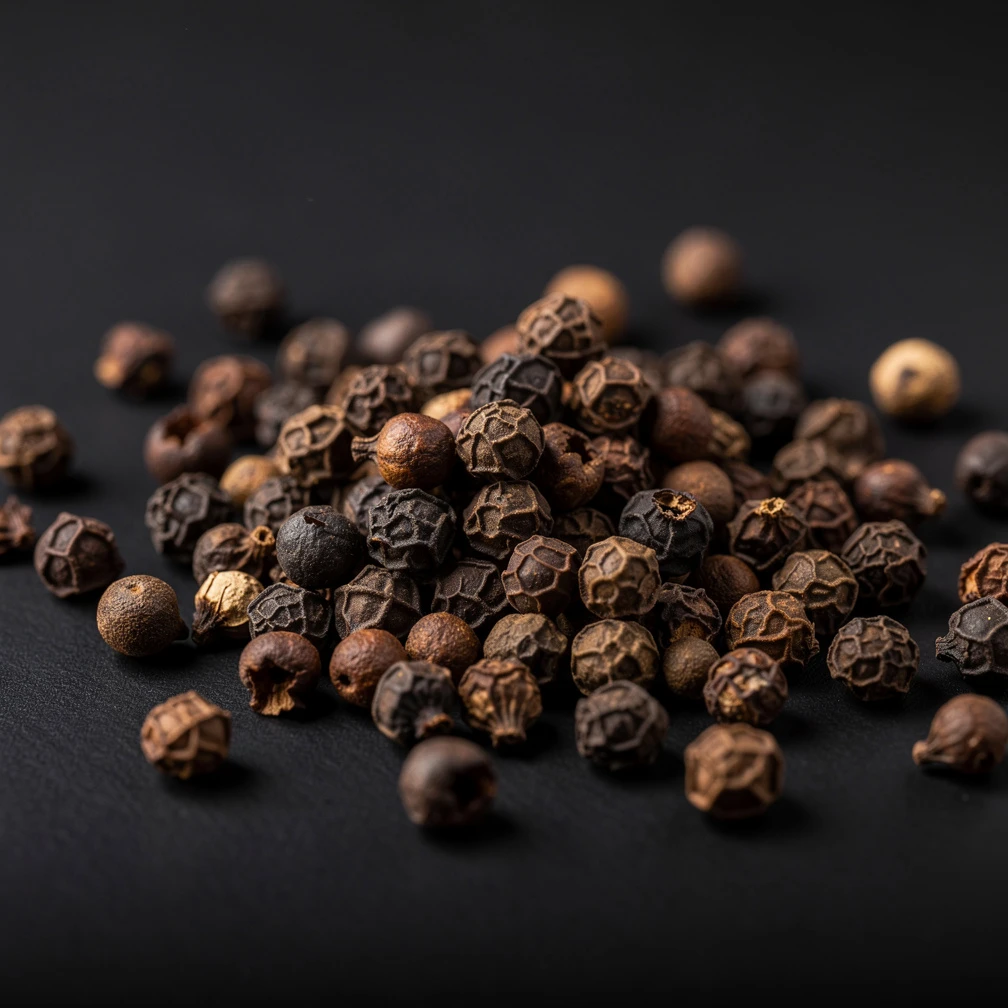
No. Pink peppercorns come from Schinus molle, belonging to the Anacardiaceae (sumac) family, while black, white, and green pepper derive from Piper nigrum in the Piperaceae family. The similarity is purely culinary naming convention.
How long has pink pepper been used in perfumery?
Pink pepper emerged as a notable perfumery material in the 1990s when luxury fragrance houses sought non-traditional spices. Its use accelerated in the 2000s as consumers developed appetite for fresh, bright aromatic profiles in both fine fragrance and personal care products.
What quality indicators should buyers consider for pink pepper oil?
Gas chromatography analysis reveals the monoterpene profile. High-quality Kenyan pink pepper oil typically shows limonene content between 15-35% and alpha-pinene between 10-25%, with a fresh, clean citrus aroma. Color should range from pale yellow to light amber.
What harvest factors affect pink pepper oil quality?
Berry ripeness at harvest critically impacts the final oil. Berries picked at peak pink-red coloration contain optimal aromatic compound concentrations. Processing within 24-48 hours of harvest prevents oxidative degradation. Seasonal variation in rainfall and temperature shifts the monoterpene balance year to year.