
The Story
Why it exists.
The beginning
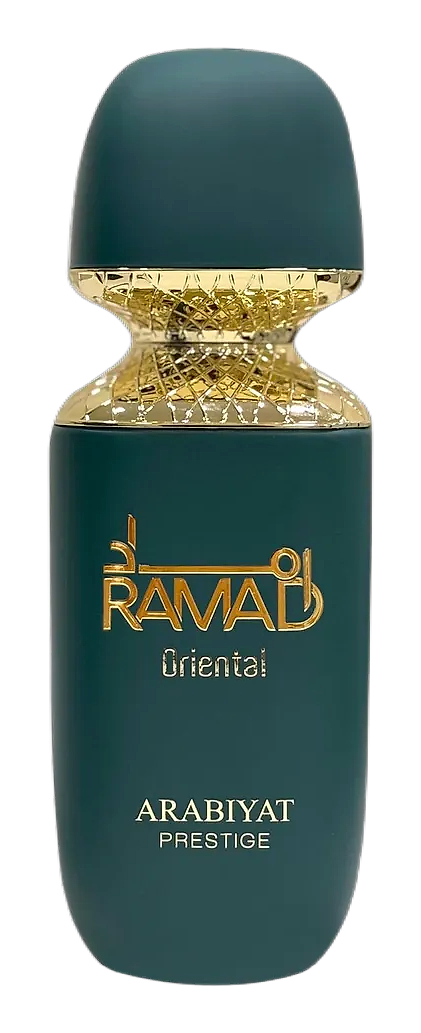
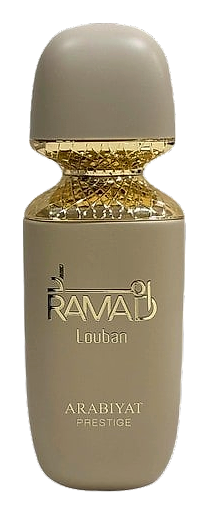
Ramad Louban translates to "incense and ash", a name that maps the fragrance's entire arc before the first spray. Veysel Akyol built the composition around that moment of transition: smoke rising, cooling, settling into something quieter and more permanent than the flame itself. The perfumer opened with cardamom, cinnamon, and hazelnut, a warm, almost edible spiced burst that reads like the first curl of incense catching heat. Myrrh and black pepper add depth, a slight bitterness that prevents sweetness from taking over. This is the smoke, not the florals that usually flank it. The heart introduces pine and cypriol, bringing a dry forest quality to the composition, not the Christmas-tree fresh kind, but needles sun-bleached and warm. Davana adds an herbaceous edge that surprises.
Two notes make this stand apart from typical resinous Orientals. Hazelnut appears rarely in mainstream perfumery, its roasted, nutty character adds a texture rarely found in spicy openings, making the cardamom and cinnamon feel less classic and more modern. Davana, with its herbaceous, slightly camphoraceous quality, keeps the heart from becoming purely woody. Cypriol brings an earthy, almost tar-like depth that some associate with vetiver but intensifies the mineral quality. The result is a fragrance that moves from warm spice to dry wood without the typical amber sweetness in between, a cooler, more contemplative composition than the name might suggest.
The evolution
The opening hits immediately: cardamom, cinnamon, and myrrh arrive together, sharp and resinous. Hazelnut threads through as a warm, toasted base note from the first minute. The pepper lingers on the nostrils for thirty to forty-five minutes before settling. Around the forty-minute mark, pine and cypriol begin to emerge, the heart phase reads as a dry forest, not fresh conifer but sun-warmed needles and resinous bark. Davana adds an unexpected herbaceous green that keeps the heart from becoming purely woody. By the second hour, cedarwood takes over. The drydown is where this fragrance earns its name: cedarwood, oakmoss, and vetiver create a smoky, earthy, mineral finish that lasts eight to ten hours on most skin types. The benzoin and amber warm without sweetening, this is ash, not vanilla. On clothes, it lingers for days.
Cultural impact
Early fragrance community response draws comparisons to Amouage Reasons, another dry, dusty wood-spice composition. Wearers describe Ramad Louban as immediately familiar upon the first spray, with that cracked-earth, midsummer-forest quality. The hazelnut note has sparked discussion, some find it a charming, unexpected addition; others struggle to detect it beneath the stronger spices. The oakmoss presence is polarizing; for those who enjoy green, earthy drydowns, it extends the drydown into something compelling. For others, it reads as too much. The strong sillage and longevity have drawn praise from those seeking a fragrance that commands presence without the luxury markup.