The Story
Why it exists.
The beginning
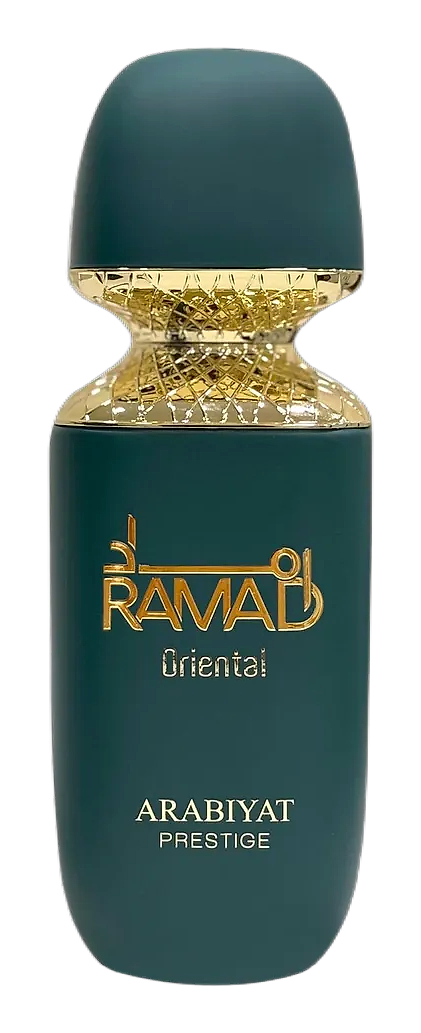
Ramad Oriental emerged from a specific moment in time, 2025. The fragrance opens with the kind of brightness that demands attention, cardamom, bergamot, black pepper, before folding into something quieter and more intentional. The name references the Arabic concept of ramad, a word that carries layered meaning: embers, the heat that lingers after the fire goes out. This is not a fragrance that arrives loud and leaves. It arrives present and stays close. The opening is aromatic and citrusy, commanding and immediate. As time passes, the spice from the cardamom becomes more pronounced while the bergamot citrus softens, and the black pepper remains, warmer and gentler as the minutes pass.
The real craft here is in the layering. Cardamom and elemi give the opening an aromatic brightness that prevents the composition from feeling heavy too soon, a counterweight built into the structure itself. Saffron does what saffron does best: it adds depth without sweetness, a kind of resinous warmth that smells expensive even in small doses. The cumin and geranium pairing is where things get interesting, cumin can skew sharp, even polarizing, but paired with geranium's green-floral quality it reads instead as earthy and grounding.
The evolution
The first twenty minutes are bright. Cardamom and bergamot lead, aromatic, citrusy, present, while elemi adds a resinous snap that keeps things from feeling like just another citrus opening. Black pepper threads through, adding warmth without heat. Around the thirty-minute mark, the hand-off begins. Saffron arrives and deepens everything. The heart notes, cumin, geranium, jasmine, patchouli, arrive together, a slow shift rather than a sudden change. The jasmine stays subtle, woven into the background rather than demanding attention. Patchouli provides the earthy foundation. The cumin is the tell: it adds a slightly animal, slightly sharp note that keeps the composition from smelling like a textbook Oriental. The dry-down settles into warmth. Vanilla and benzoin arrive together, warm, slightly sweet, resinous. Amber anchors the composition.
Cultural impact
In many Middle Eastern cultures, fragrance is woven into the fabric of hospitality, gifting rituals, and personal identity. Oriental fragrances occupy a revered space in this tradition, where scent carries weight and meaning. The rich palette of oud, amber, musk, frankincense speaks to a love of generosity and presentation. What makes this scent distinctive is its subtlety. Rather than announcing itself, it arrives quietly and settles in, unfolding its depth over time. This approach mirrors how fragrance operates in the region: as a quiet marker of identity rather than a bold statement.