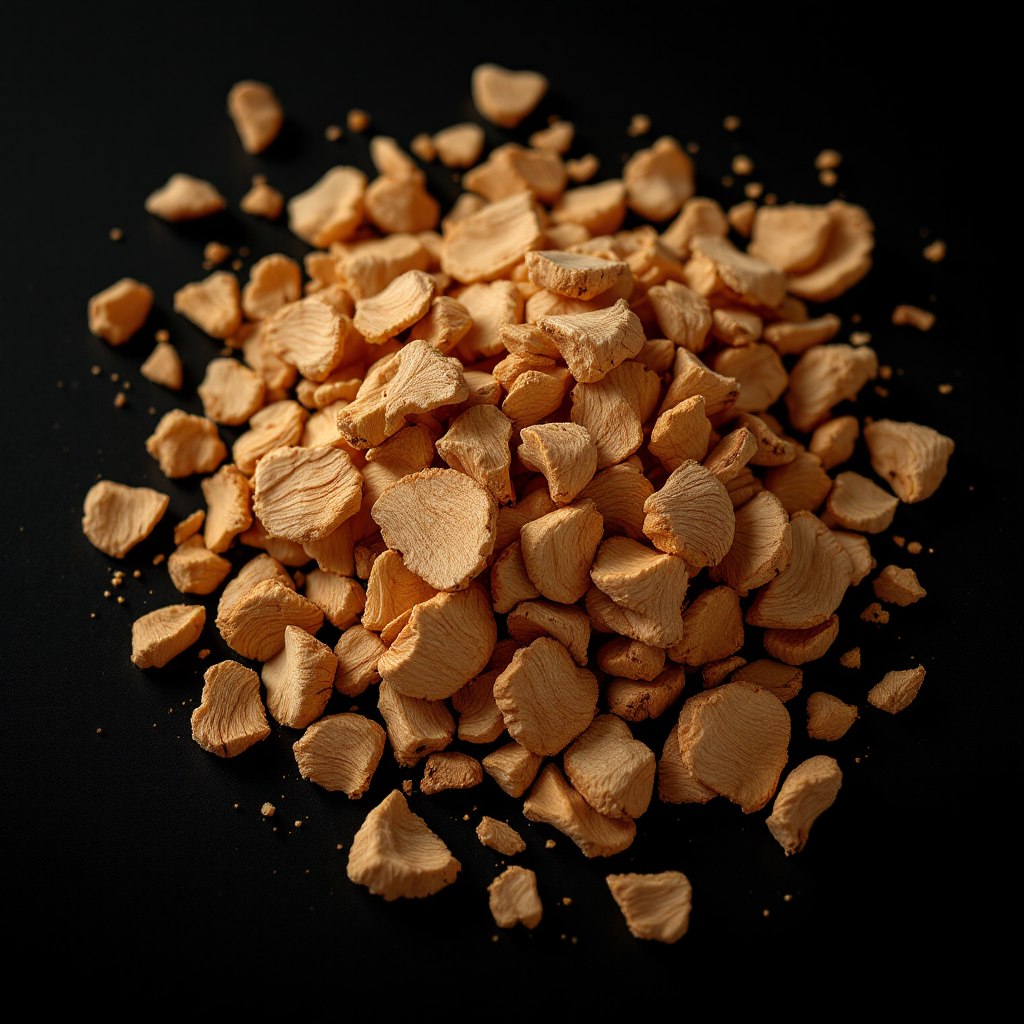
Siberian Pine
Siberian pine needle oil brings crisp alpine air into the bottle — a vaporous, forest-floor freshness with a clean bite that anchors woods-forward fragrances.
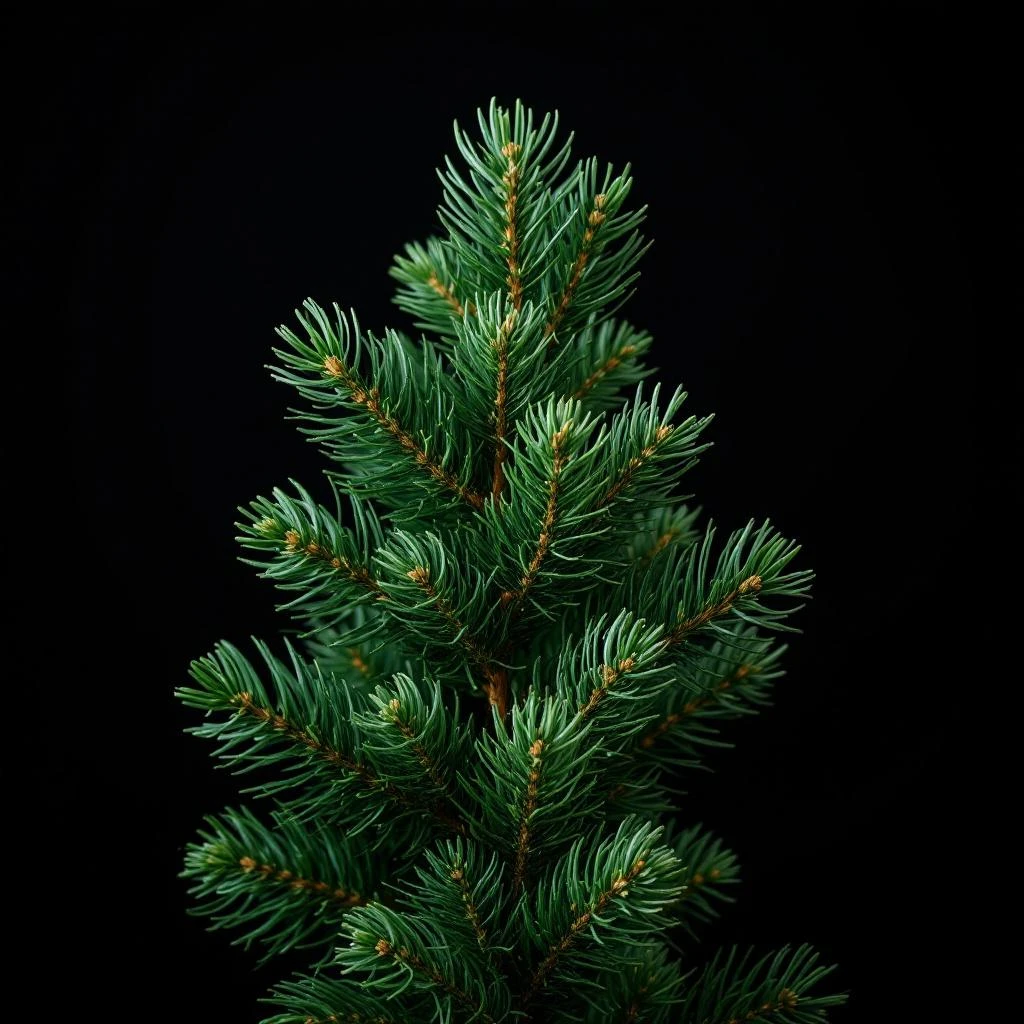
Character
How it smells
Bottled evergreen. Crisp, resinous, and bracing.
Despite its name, Siberian pine is botanically a fir (Abies sibirica), not a true pine — yet it delivers the iconic conifer scent perfumers reach for.




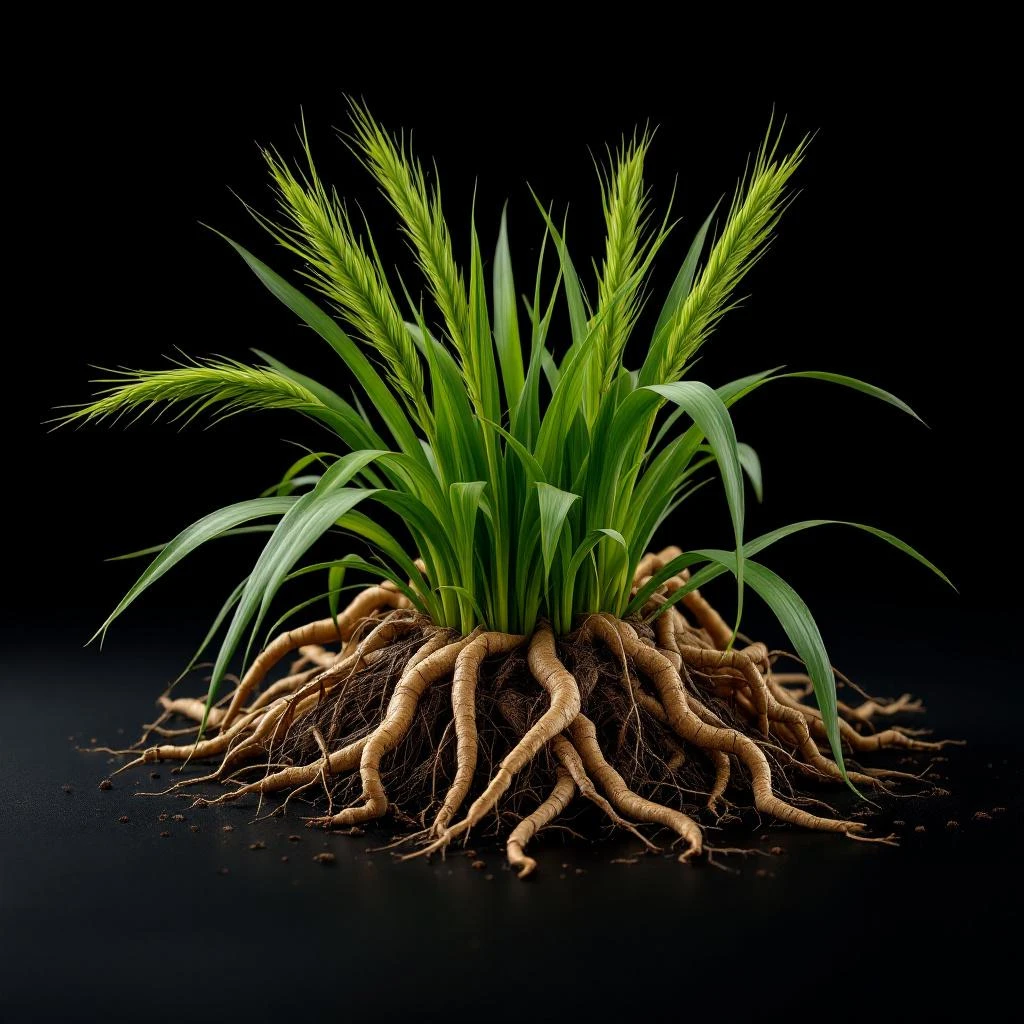



Origin
Russia
Conifer resins and needles appear among the oldest aromatic materials used by humans. Archaeological analysis of a perfume workshop excavated in Pyrgos, Cyprus, dated to roughly 2000 BCE, identified pine resin alongside lavender and coriander in ancient formulations. Ancient Egyptians incorporated pine materials in embalming rituals and early cosmetics, establishing its sacred status.
Across northern Europe, indigenous peoples burned pine needles in ceremonial rites and used the oil medicinally for respiratory ailments. When perfumery expanded through the Mediterranean world, pine brought green, forest-like depth to colognes and masculine blends. The Siberian variant gained particular prominence in the 19th century when Russian distillation techniques improved, offering perfumers a cleaner, more consistent conifer note than wild-harvested alternatives.
Today, Siberian pine remains a staple in fougère-style fragrances and winter seasonal releases.
Wears it best
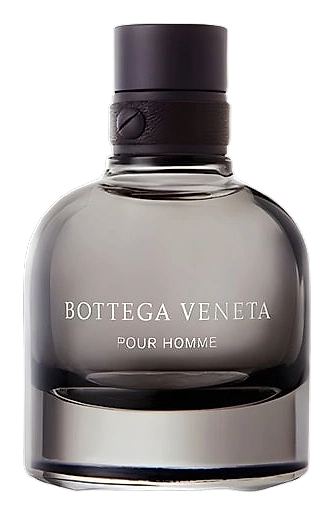
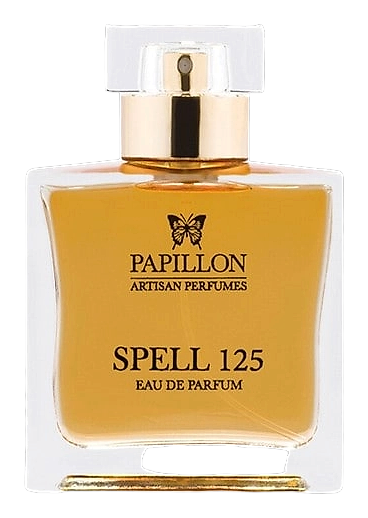
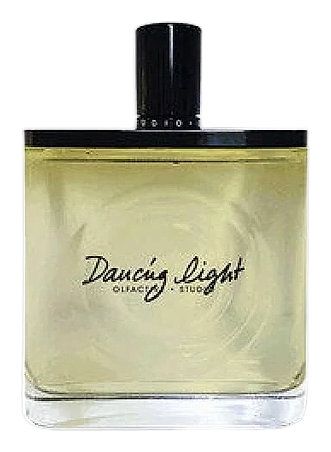
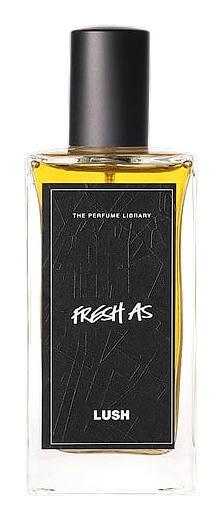
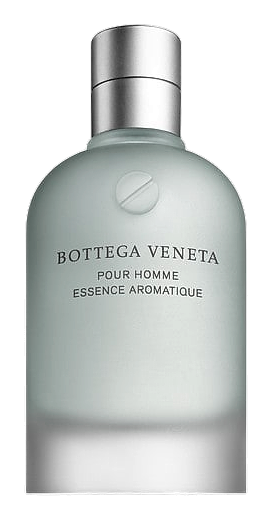
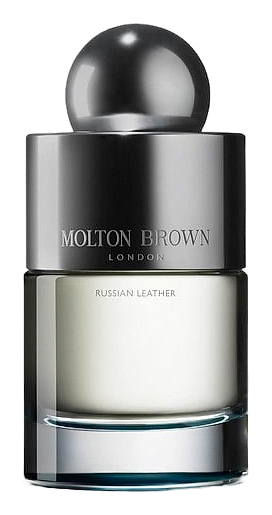
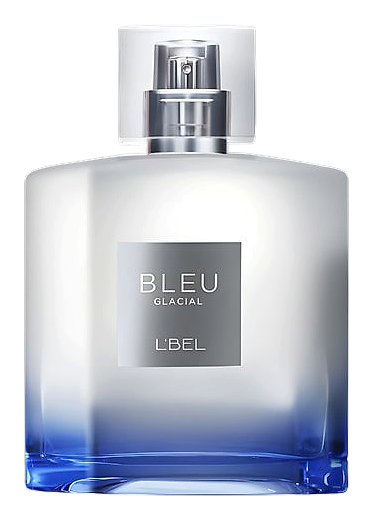
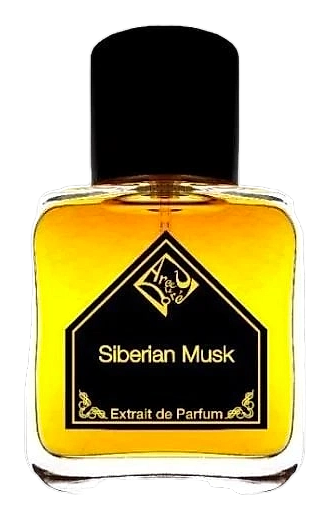
Fragrances featuring Siberian Pine

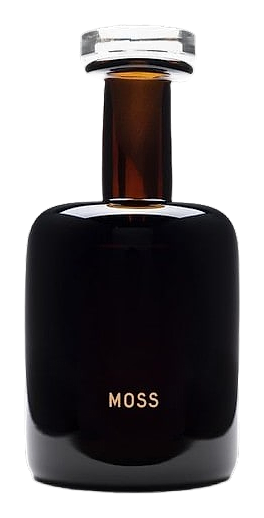
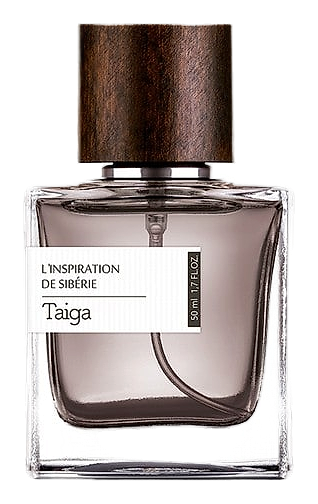
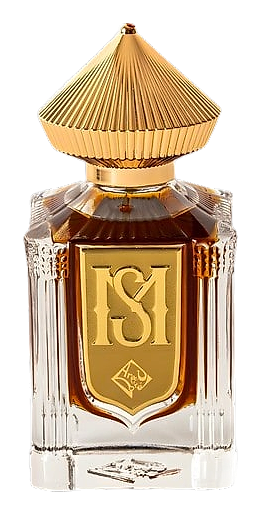
Brands
Brands known for Siberian Pine
Good to know
Questions, answered
The essentials on Siberian Pine in perfumery: how it smells, where it comes from, and how it behaves on skin.
Is Siberian pine a true pine or something else?
Siberian pine is technically a fir, classified as Abies sibirica. Perfumers still group it with pine notes because its scent mirrors true pines — fresh, resinous, and woody.
What does Siberian pine oil smell like?
It opens with sharp, crisp freshness reminiscent of cold mountain air, then settles into warm resinous and woody undertones with a faint camphor edge.
How is Siberian pine needle oil produced?
Harvesters collect needles and twigs from felled timber, dry them, then steam-distill the material. The process typically yields 0.5–2.5% oil by weight.
What fragrance families use Siberian pine?
It anchors fougères, chypres, and aromatic woody compositions. You will also find it in winter seasonal scents and masculine fragrances seeking a forest-forward character.
Where does Siberian pine grow?
Abies sibirica grows abundantly across Siberia and northeastern Russia, thriving in the cold, continental climate at latitudes between 50° and 70° N.
Can synthetic versions replace natural Siberian pine oil?
Synthetics like bornyl acetate or fir needle accord mimic certain facets, but natural steam-distilled oil retains a complexity that lab replicas rarely match.
What is the historical significance of pine in perfumery?
Ancient Egyptian embalming practices and a 4000-year-old Cypriot perfume factory both documented pine resin, making it one of fragrance's oldest ingredients.
Is Siberian pine needle oil sustainable?
Most producers source needles from timber harvested for other industries, reducing waste. This secondary-use model makes it a relatively sustainable natural extract.