



    Brand Profile

    Porcelain Perfumery is a European niche house that emerged in 2019 under the direction of Danish natural perfumer Stine Hoff. The label posi…More

    Denmark·Est. 2019·Site

    3.3

    Rating

    5
    Osmanth by Porcelain Perfumery
    Best Seller
    3.3

    Osmanth

    Cedarté by Porcelain Perfumery
    Best Seller
    4.6

    Cedarté

    Myristica by Porcelain Perfumery
    Best Seller
    4.0

    Myristica

    Jasmada by Porcelain Perfumery

    Jasmada

    Gerain by Porcelain Perfumery

    Gerain

    Haltane by Parfums de Marly
    Coming Soon

    Haltane

    Parfums de Marly

    The Heritage

    The Story of Porcelain Perfumery

    Porcelain Perfumery is a European niche house that emerged in 2019 under the direction of Danish natural perfumer Stine Hoff. The label positions itself at the intersection of botanical authenticity and refined minimalism, offering a concise portfolio of all‑natural eau de parfums. Its creations, such as Cedarté, Myristica and Osmanth, draw on ancient scent traditions while honoring contemporary concerns for sustainability and slow beauty.

    Heritage

    Stine Hoff founded Porcelain Perfumery in Copenhagen in 2019 after years of studying botany and working in natural fragrance labs across Scandinavia. She launched the brand with a clear intent: to craft scents that respect the raw materials and the rituals that have surrounded perfume for centuries. In 2020 the house released its first trio—Cedarté, Myristica and Osmanth—each built from ingredients harvested in the EU and distilled using low‑temperature methods. The launch attracted attention from specialty retailers in Denmark and Germany, securing the brand’s first wholesale agreements. In 2021 Porcelain Perfumery entered a curated selection at a boutique in London, marking its first foothold outside the Nordic market. The following year the brand participated in a Fragrance Foundation UK panel, where Hoff discussed the role of natural extraction in modern perfumery. 2023 saw the addition of Jasmada and Gerain to the line, expanding the house’s aromatic range while maintaining its ingredient‑first philosophy. By 2024 Porcelain opened its atelier to private visits, allowing enthusiasts to observe the hand‑blending process and learn about the sourcing trips Hoff makes to organic farms in France and Italy. Throughout its brief history the house has remained independent, avoiding external investment and preserving a small‑batch production model that aligns with its founding ideals.

    Craftsmanship

    Each Porcelain fragrance begins with a field trip. Hoff travels to certified organic farms in Provence, the Italian Alps and the Danish countryside, selecting botanicals that meet strict purity standards. Once harvested, the material undergoes a gentle extraction chosen for its ability to preserve volatile nuance—cold‑press for citrus peels, steam distillation for white flowers, and supercritical CO₂ for resinous woods. The resulting essences are stored in dark glass bottles at controlled temperature before being handed to the atelier’s blending team. There, a small group of trained noses measures each component by weight, not by volume, ensuring reproducible concentration across batches. Blends mature in sealed porcelain vials for several weeks, allowing the notes to integrate naturally without the aid of synthetic fixatives. Quality control includes gas‑chromatography analysis to verify the absence of unwanted contaminants and sensory panels that evaluate longevity, projection and harmony. The final perfume is decanted into hand‑blown porcelain bottles, each sealed with a cork that doubles as a scent‑preserving barrier. Production runs remain limited, typically under 500 units per release, which allows the house to monitor each batch for consistency and to adjust formulations if a seasonal variation in raw material occurs. This meticulous approach reflects the brand’s commitment to transparency, traceability and the tactile pleasure of handcrafted perfume.

    Design Language

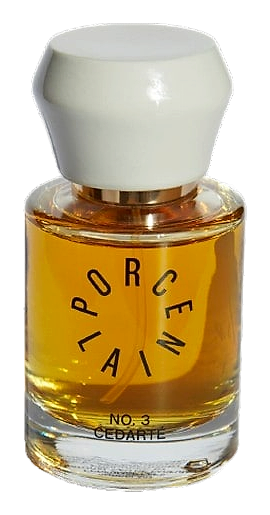
    Visually, Porcelain Perfumery embraces restraint. Bottles are crafted from high‑gloss porcelain, their silhouettes echoing classic apothecary jars while featuring clean, unadorned lines. A soft, matte pastel hue—often a muted ivory or pale sage—covers each vessel, allowing the perfume’s natural colour to emerge through a thin glass window. The brand’s logo, a simple serif wordmark, appears in a subtle foil stamp at the base, reinforcing the minimalist ethos. Packaging boxes use recycled kraft paper, printed with a single black line drawing that references the botanical source of the fragrance inside. Inside the box, a thin vellum card lists the ingredient origin, harvest date and a brief poetic note about the scent’s inspiration. Retail displays mirror this aesthetic, employing raw wood plinths and muted lighting that highlight the porcelain’s sheen without overwhelming the scent narrative. The overall image conveys quiet elegance, inviting the consumer to focus on the olfactory journey rather than flashy branding.

    Philosophy

    Porcelain Perfumery treats scent as a dialogue between plant and person. Hoff believes that each aroma should reveal the character of its raw material, not mask it with synthetic accords. The brand therefore limits itself to ingredients that can be traced to a single botanical source, preferring cold‑pressed extracts, steam‑distilled absolutes and CO₂‑extracted notes. Slow beauty guides every decision: the team cultivates long‑term relationships with growers, commissions harvests that respect seasonal cycles, and releases fragrances only when the composition reaches a stable equilibrium. This patience extends to packaging, where porcelain vessels protect the perfume from light and temperature fluctuations, echoing the ancient practice of storing precious oils in ceramic containers. The house’s creative vision also honors historical perfume rituals, drawing inspiration from medieval apothecary texts and Mediterranean incense traditions. By marrying these references with a modern ecological ethic, Porcelain aims to offer a scent experience that feels both timeless and responsibly grounded.

    Key Milestones

    2019

    Stine Hoff establishes Porcelain Perfumery in Copenhagen, Denmark.

    2020

    Launch of the inaugural trio: Cedarté, Myristica and Osmanth, all‑natural eau de parfums.

    2021

    First international wholesale partnership secured with a boutique in London.

    2022

    Participation in a Fragrance Foundation UK panel on natural extraction methods.

    2023

    Release of Jasmada and Gerain, expanding the house’s botanical palette.

    2024

    Opening of the Porcelain atelier for private tours and scent workshops.

    At a Glance

    Brand profile snapshot

    Origin

    Denmark

    Founded

    2019

    Heritage

    7

    Years active

    Collection

    1

    Fragrances released

    Avg Rating

    3.3

    Community sentiment

    porcelainperfumery.com

    Did You Know?

    Interesting Facts

    Distinctive details and defining moments that shape the house personality.

    01

    Porcelain bottles are fired at a temperature that creates a micro‑porous surface, helping to regulate temperature changes for the perfume inside.

    02

    Stine Hoff holds a master's degree in plant sciences, which informs the brand’s emphasis on botanical provenance.

    03

    All ingredients are sourced from farms that practice biodynamic agriculture, and the house publishes a yearly harvest report.

    04

    The brand avoids any synthetic aroma chemicals, relying solely on natural extracts, absolutes and essential oils.

    The Artisans

    The Perfumers