
The Story
Why it exists.
The beginning
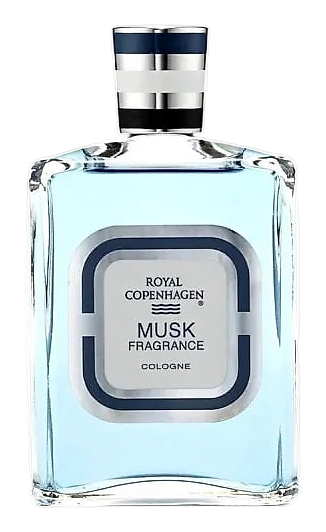
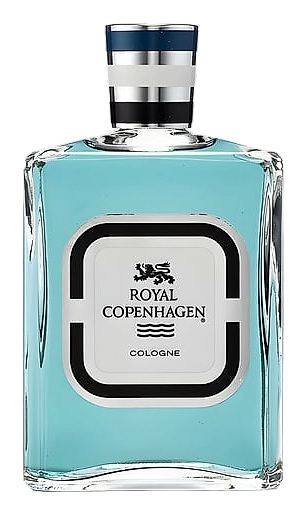
Royal Copenhagen's first fragrance arrived in 1970, extending the Danish porcelain house's heritage into scent. Working with IFF, the brief was clear: create a masculine cologne that reflected the same functional elegance as the tableware. Clean lines. Restrained ornamentation. Nothing excessive. The brand had spent two centuries building a visual language of blue fluted patterns and hand-painted detail, the fragrance would carry that same quiet authority, just in a different medium.
What makes this composition work is the aldehydes. They lift the citrus and lavender into something cooler, almost effervescent, a technique borrowed from classical perfumery but applied with Danish restraint. The heart builds slowly: carnation first, with its spiced edge, then rose and jasmine softening the blow. Cedar and vetiver bring woody depth that keeps everything grounded. By the time you reach the base, honey and vanilla have settled into a warm, powdery drydown that stays close to the skin for hours. It's not trying to surprise you. It's trying to last.
The evolution
The opening hits bright and aldehydic, that waxy, effervescent lift that elevates everything beneath it. Bergamot, lemon, and lime arrive together, but the aldehydes keep them cool, almost soapy. Lavender and cardamom add aromatic depth without competing for attention. Then the hand-off: carnation appears first, with its spiced edge, followed by rose and jasmine softening the composition. The florals don't overpower the citrus, they coexist, each phase arriving without fanfare. By the mid-drydown, vetiver and cedar have emerged, bringing a quiet earthiness that grounds the honey and vanilla sweetness. Tobacco lingers in the background, warm but restrained. The final hours belong to musk, heliotrope, and tonka bean, a powdery, slightly sweet finish that stays close to the skin long after the initial brightness has faded.
Cultural impact
Royal Copenhagen arrived in 1970, a period when masculine fragrances were shifting from light colognes to heavier, more aromatic compositions. This one took a different path, restrained, assured, built on Danish design principles that favored function over excess. The man who wears it isn't looking to fill a room. He's looking for something that lasts.