
The Story
Why it exists.
The beginning
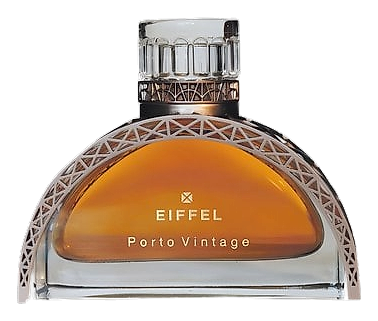
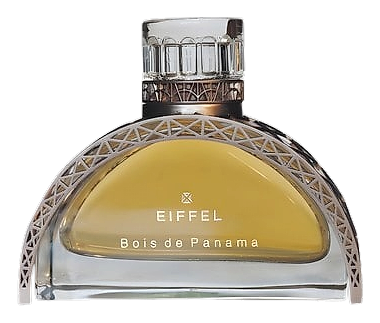
Bois de Panama arrived in 2016 from Sidonie Lancesseur at Gustave Eiffel, a French house named after the engineer who bridged iron and art. The fragrance takes its name from the warm, resinous wood once used in the handles of Panama hats, and Lancesseur built it around exactly that tension: the crisp spice of cardamom and violet meeting a base of sandalwood and vanilla that keeps you company long after the first hour. It's the Gustave Eiffel principle applied to perfumery, precision materials, no excess, structure that wears like a second skin.
What makes this composition interesting is how the top and base speak different languages. Cardamom is bright, almost citrusy in its spice. Violet adds a powdery cool. But the drydown leans warm, creamy, almost gourmand from the vanilla and sandalwood. The fragrance doesn't evolve so much as it completes itself, moving from aromatic sharpness to powdery softness to a skin-warm base that lingers for 6-8 hours. The nutmeg in the heart acts as a bridge, giving the cinnamon something to hold onto while keeping the overall character from becoming too sweet. It's a well-constructed arc, nothing wasted.
The evolution
The opening hits quick, cardamom's clean spice arrives first, followed immediately by violet's powdery floral and peach's soft fruit. The three feel almost simultaneous, which is unusual; usually one note dominates before the next announces itself. Here, they settle together over the first 15 minutes. The heart takes over around the 30-minute mark as cinnamon and nutmeg warm the composition considerably. The violet and peach do not disappear, they deepen, becoming more integrated than dominant. By hour two, the base takes command: sandalwood's creamy woodiness, amber's resin warmth, and vanilla's sweet finish. Musk stays close to the skin throughout, creating that intimate quality. Moderate sillage means you are never announcing yourself, but the lasting power means you are never wondering where it went. The drydown on fabric smells like cashmere washed in warm spice.
Cultural impact
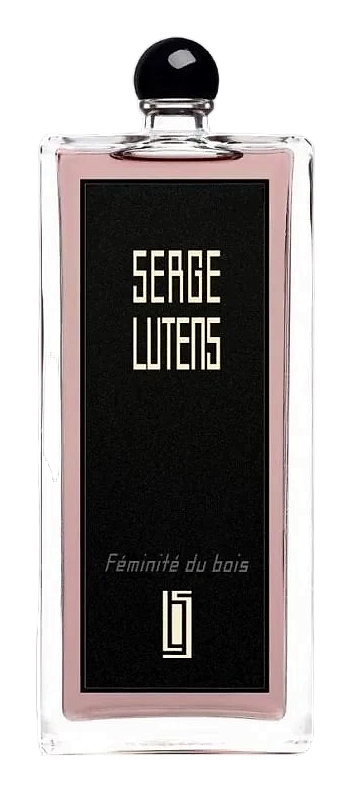
Bois de Panama sits comfortably in the woody-spicy corner of niche perfumery, not a statement fragrance, but one that rewards wearers who value longevity and complexity over projection. The fragrance has earned a loyal following among enthusiasts who appreciate its well-structured performance and powdery-violet opening. That opening has drawn comparisons to Féminité du Bois, which, given that Serge Lutens' landmark was released in 1992, is either flattery or coincidence.