
Heritage
A house, in its own words
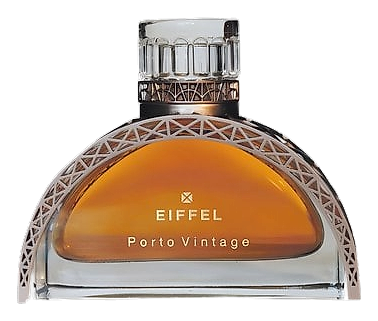
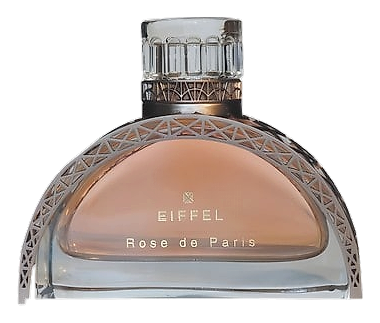
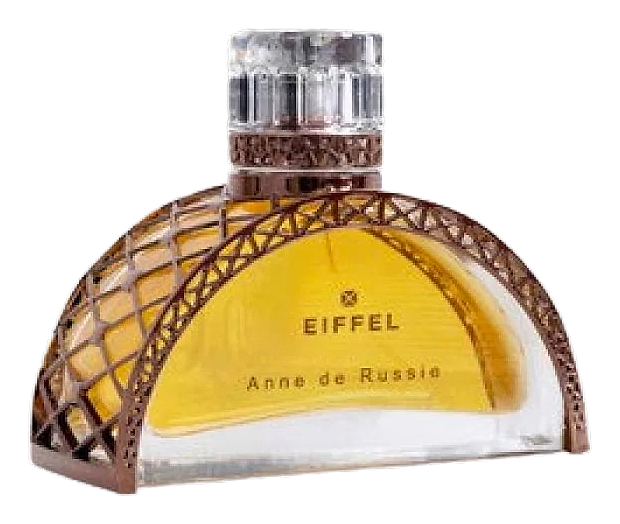
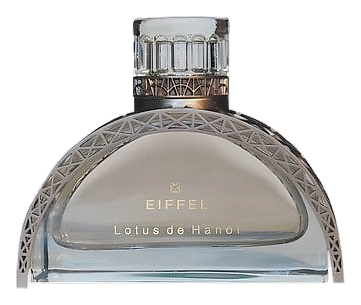
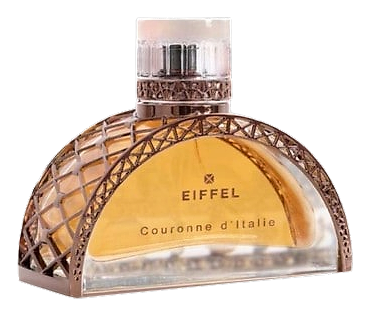
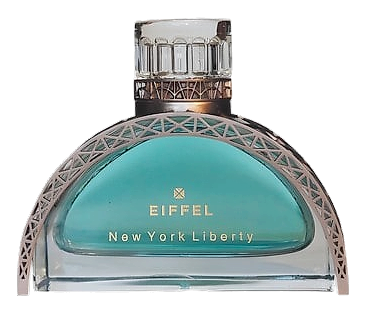
Gustave Eiffel was born on December 15, 1832, in Dijon, France, the son of François Alexandre Boenickhausen, a former hussar who adopted the surname Eiffel. After completing his education, Eiffel established his own company in 1867 and quickly built a reputation for innovative metal structural work. His company designed the internal iron framework for the Statue of Liberty, completed in 1884, and achieved its most famous commission with the Eiffel Tower, constructed for the 1889 Universal Exposition in Paris. The tower stood as the world's tallest man-made structure for over four decades and became an enduring symbol of French engineering prowess. Beyond these celebrated projects, Eiffel pursued various scientific endeavors, including wind tunnel experiments and studies in aerodynamics. His company also undertook numerous architectural and infrastructure projects across Europe. The lesser-known chapter connecting Eiffel to perfumery began in 1893, when the Maubert family, who owned the House of Robertet in Grasse, approached him to design a greenhouse for their botanical facility. Robertet, founded in 1850, had already established itself as a significant producer of aromatic raw materials for the fragrance industry. Eiffel designed a structure that reportedly incorporated innovative ventilation and climate control features befitting the precise requirements of cultivating fragrant botanicals. That 1893 collaboration remained largely overlooked until 2016, when Philip Cooper Eiffel, identifying himself as a descendant of the engineer, launched the Gustave Eiffel fragrance brand. The timing coincided with renewed interest in heritage brands and artisanal perfumery. The initial collection in 2016 included seven fragrances, among them Porto Vintage, Rose de Paris, and New York Liberty, each named after locations or themes connected to Eiffel's work and era. Subsequent releases, including La Riviere Des Parfums in 2018 and Anne de Russie in 2019, expanded the range while maintaining the founder's stated goal of honoring his ancestor's multifaceted legacy. The Gustave Eiffel brand operates from a philosophy rooted in honoring engineering precision and historical craftsmanship. Philip Cooper Eiffel has spoken about creating fragrances that reflect the innovative spirit of his ancestor, treating perfume creation as a form of architectural construction where materials, proportions, and structural integrity determine the final outcome. The brand positions itself as a custodian of a unique heritage, connecting 19th-century industrial ambition with contemporary fragrance artistry. Rather than pursuing the blockbuster release strategies common in the modern fragrance industry, the brand favors measured introductions and a curated portfolio. Each fragrance undergoes development through Robertet's laboratories, benefiting from the house's century-plus experience in sourcing and processing aromatic materials. The brand's naming conventions reflect a commitment to historical documentation, with fragrances commemorating specific locations, events, or figures from the late 19th century. Rose de Paris invokes the Belle Époque capital, while Anne de Russie references historical connections between France and Russia during Eiffel's lifetime. This approach transforms each bottle into a portable historical artifact, inviting wearers to explore chapters of European cultural and industrial history through olfactory narratives.