The Story
Why it exists.
The beginning
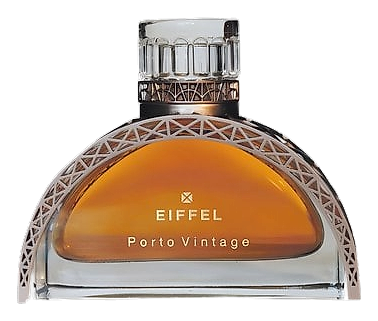
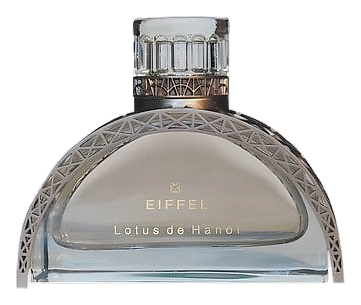
Lotus de Hanoi was composed by Sidonie Lancesseur and launched in 2016. The lotus flower, rising clean from murky water, becomes the symbolic core of this fragrance, a study in restraint where purity emerges from complexity. The composition opens cool and aqueous before blooming into something richer, a layering that mirrors the careful engineering of Gustave Eiffel's own work. Where Eiffel constructed upward and outward, this scent descends inward, intimate rather than monumental. The balance between clarity and depth defines the entire structure, each note positioned with the precision of architectural planning. Lancesseur understood that restraint, executed well, speaks louder than excess.
What makes this composition unusual is its commitment to translucency. Most white floral fragrances push for opulence, jasmine asserting itself, tuberose demanding attention. Lotus de Hanoi takes the opposite approach. The lotus and freesia opening doesn't try to fill a room; it creates a pocket of cool air around the wearer. The heart of white lily, peony, and jasmine arrives gradually, opulent but never heavy. It's a fragrance that trusts restraint, the perfumer built something delicate on purpose, understanding that quietness is its own kind of confidence.
The evolution
The opening arrives cool and aquatic, freesia cutting through the moisture of lotus petals, a fresh-green accord that feels like morning mist over still water. No warmth yet. The florals are there but not pushing, present in a way that invites rather than demands attention. The initial phase is essentially a very clean, very pretty floral, one that holds space without filling it. Then the heart builds. White lily and jasmine become more present, peony adding a soft rosy undertone that rounds the edges. This is where it gets interesting, the florals don't transform into something darker or richer; they deepen in place, becoming more generous without becoming loud. The transition feels organic rather than dramatic, each layer settling into the next. Musk arrives last, merging with the woody notes and amber to create a skin-close warmth that lingers.
Cultural impact
Lotus de Hanoi occupies a specific corner of the fresh-floral landscape, offering something for those who appreciate white florals but prefer them composed rather than loud. The 2016 release brings together cool aquatic notes with a softer floral heart, creating a fragrance that feels both clean and intimate. Lancesseur chose restraint over assertion, building a scent that reveals itself gradually rather than announcing its presence. The composition shares territory with airy, refined florals, though its aquatic character and layered depth give it a distinctive character.