
    Brand Profile

    Jean Desprez is a French fragrance house that emerged in the interwar period and has kept a modest profile for nearly a century. Known for a…More

    France·Est. 1928

    2

    Fragrances

    4.6

    Rating

    10
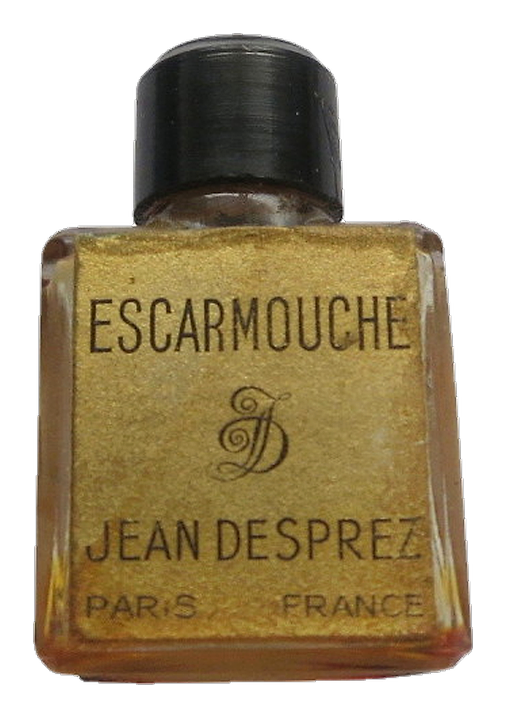
    Escarmouche by Jean Desprez
    Best Seller
    5.0

    Escarmouche

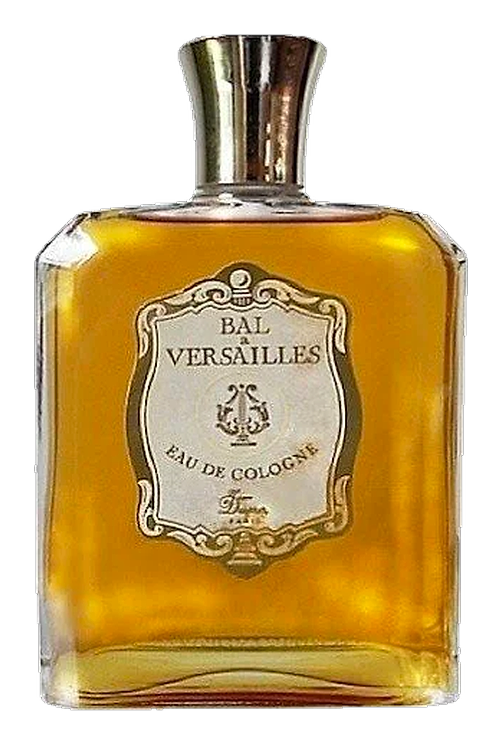
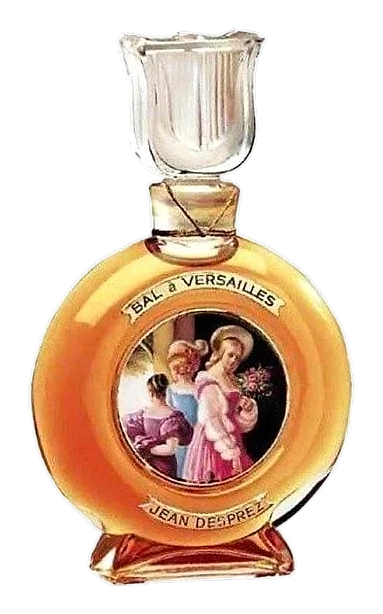
    Bal à Versailles Eau de Cologne by Jean Desprez – Parfum
    4.2

    Bal à Versailles Eau de Cologne

    Parfum

    Jardanel by Jean Desprez
    Best Seller
    4.7

    Jardanel

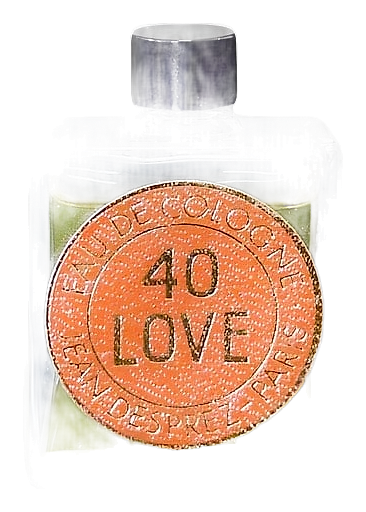
    40 Love pour Homme by Jean Desprez
    Best Seller
    4.6

    40 Love pour Homme

    Sheherazade by Jean Desprez
    4.4

    Sheherazade

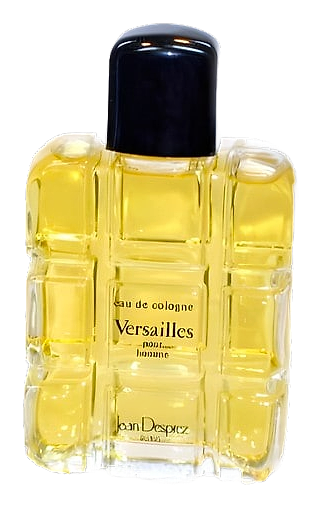
    Versailles Pour Homme by Jean Desprez
    4.4

    Versailles Pour Homme

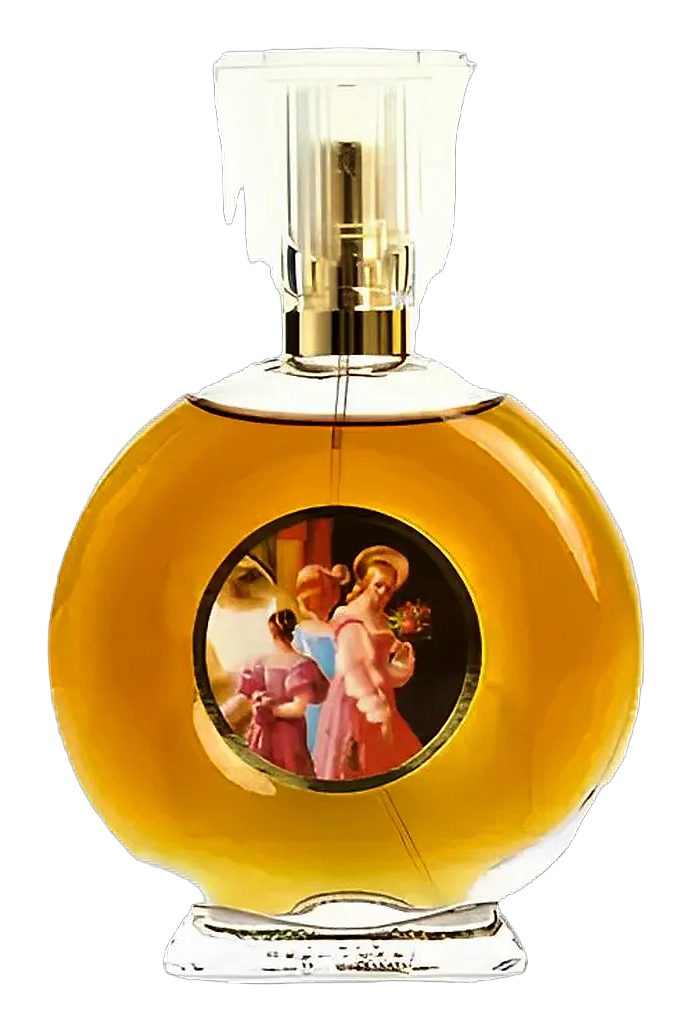
    Bal à Versailles by Jean Desprez
    4.2

    Bal à Versailles

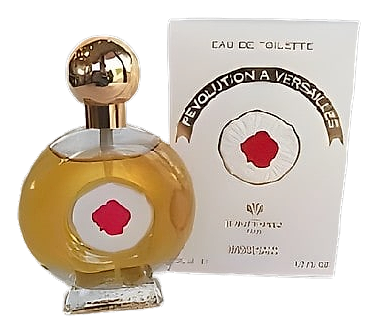
    Revolution à Versailles by Jean Desprez
    4.1

    Revolution à Versailles

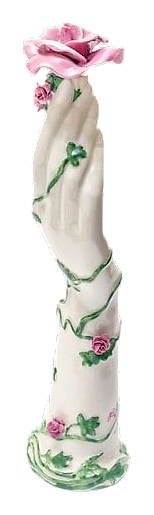
    Votre Main by Jean Desprez
    3.5

    Votre Main

    Etourdissant by Jean Desprez
    3.5

    Etourdissant

    The Heritage

    The Story of Jean Desprez

    Jean Desprez is a French fragrance house that emerged in the interwar period and has kept a modest profile for nearly a century. Known for aromatic narratives such as Bal à Versailles (1962) and Sheherazade (1983), the brand balances classic French elegance with a touch of theatrical storytelling. Its catalog spans eau de colognes, parfums, and limited‑edition releases that continue to attract collectors who value provenance over hype.

    Heritage

    The founder, Jean Desprez, began his career as a perfumer in the early 1920s, creating scents like Auguste Esprit de Chine Parfum in 1925. In 1928 he opened his own house in Paris, a move documented by several fragrance historians. From the outset he invited visual artists and sculptors to design his packaging, a practice that set the brand apart in an era dominated by purely functional bottles. The 1930s saw the introduction of early classics such as Jardanel (first issued in 1938 and later reformulated in 1944 and 1973) and Etourdissant (1939). Post‑war years added 40 Love pour Homme (1947) and Escarmouche (1949), reflecting a shift toward more robust, masculine compositions. The 1962 launch of Bal à Versailles marked a cultural milestone; the scent was presented as a tribute to the elegant American and French debutantes who attended debut balls, linking perfume to a specific social ritual. The 1980s expanded the house’s narrative range with Versailles Pour Homme (1980), Sheherazade (1983) and Revolution à Versailles (1989), each evoking a distinct historical tableau. Throughout its history, Jean Desprez maintained a low‑key distribution model, favoring boutique retailers and specialist shops rather than mass‑market channels. This approach preserved the brand’s artisanal aura and allowed it to survive niche market fluctuations that forced many contemporaries to close. Today the house is remembered for its continuity of style, its dedication to handcrafted packaging, and a catalogue that reads like a timeline of 20th‑century French perfume culture.

    Craftsmanship

    Production at Jean Desprez follows a workshop model that blends traditional French techniques with selective modern technology. Raw materials arrive from vetted farms in Grasse, the Provençal region renowned for jasmine, rose and citrus, as well as from Mediterranean lavender fields. Each batch is weighed by hand, and maceration times are recorded in a ledger that dates back to the 1930s. The house maintains a small in‑house laboratory where senior perfumers conduct trial blends, often using copper stills for essential oil distillation—a method prized for preserving delicate aromatics. Once a formula is approved, it moves to a stainless‑steel mixing tank where natural extracts are combined with high‑purity alcohol sourced from French vineyards. The mixture rests for a minimum of three months, a period that allows the scent to integrate fully; this practice mirrors the aging process used by classic French perfume houses. Quality control includes blind olfactory testing by a panel of senior noses, who compare each batch against a reference sample stored in a climate‑controlled vault. Bottles are hand‑blown by glass artisans in a workshop near the house, then hand‑filled using a piston pump to avoid aeration. Labels and caps are applied by skilled craftsmen who emboss the Jean Desprez monogram, a detail that traces back to the brand’s 1928 launch. The final product is boxed in a paper sleeve printed with artwork commissioned from contemporary illustrators, a nod to the house’s long‑standing partnership with visual artists. This meticulous chain—from field to bottle—ensures that every Jean Desprez fragrance retains the character and stability that collectors have come to expect.

    Design Language

    The visual language of Jean Desprez is anchored in Art Deco geometry and subtle nods to the eras each fragrance references. Early bottles featured faceted glass with minimal ornamentation, allowing the perfume’s name to occupy the central space. In 1962 the Bal à Versailles Eau de Cologne arrived in a crystal‑clear flacon topped with a silver‑plated cap shaped like a miniature ballroom chandelier, echoing the debutante theme. Later releases such as Sheherazade (1983) adopted richer, amber‑toned glass and a gold‑etched arabesque pattern that hints at the story’s Middle‑Eastern setting. Throughout the decades, the brand’s packaging has consistently incorporated hand‑drawn illustrations—often commissioned from French illustrators who specialize in period costume sketches. Typography remains restrained: a serif typeface reminiscent of 1930s newspaper headlines appears on the label, while the brand name is rendered in a subtle embossing that catches light without shouting for attention. The outer boxes are crafted from recycled kraft paper, printed with a single color that matches the fragrance’s dominant note—citrus for Jardanel, leather for Revolution à Versailles. This restrained palette reinforces the house’s philosophy of letting the scent speak for itself. Even the retail displays follow the same aesthetic, using dark wood shelves and soft, directional lighting that highlights the glass’s clarity. The overall image is one of timeless elegance, where each visual element is chosen to complement the narrative embedded in the perfume.

    Philosophy

    Jean Desprez frames fragrance as a narrative device rather than a mere scent. The house believes that a perfume should evoke a specific moment, character or place, a principle evident in titles such as Bal à Versailles and Sheherazade. Creative decisions are guided by historical research; perfumers study period fashion, architecture and social customs before translating those cues into olfactory form. The brand also values collaboration across artistic disciplines, a practice that began with the involvement of sculptors in bottle design and continues with partnerships with contemporary illustrators for limited‑edition packaging. Sustainability is approached pragmatically: ingredients are sourced from established European growers, and the house prefers natural extracts when they meet quality standards, but it does not shy away from synthetics that enhance stability or longevity. Transparency is another tenet; product sheets list key accords and the year of formulation, allowing enthusiasts to trace a scent’s evolution. Finally, the house positions itself as a steward of perfume heritage, choosing to re‑issue classic compositions rather than chase fleeting trends, thereby offering a consistent point of reference for collectors and historians alike.

    Key Milestones

    1925

    Jean Desprez creates Auguste Esprit de Chine Parfum, an early work before founding his house.

    1928

    Opens the Jean Desprez perfumery in Paris, employing artists and sculptors for packaging design.

    1962

    Launches Bal à Versailles, a tribute to American and French debutantes, becoming the brand’s most referenced scent.

    1980

    Introduces Versailles Pour Homme, expanding the line into masculine narratives.

    1983

    Releases Sheherazade, a floral composition inspired by Middle‑Eastern folklore.

    1989

    Revolution à Versailles debuts, marking the brand’s last major 20th‑century launch.

    At a Glance

    Brand profile snapshot

    Origin

    France

    Founded

    1928

    Heritage

    98

    Years active

    Collection

    2

    Fragrances released

    Avg Rating

    4.6

    Community sentiment

    Release Rhythm

    1989
    1
    1983
    1
    1980
    1
    1962
    2
    1949
    1
    1947
    1
    1939
    2
    1917
    1

    Did You Know?

    Interesting Facts

    Distinctive details and defining moments that shape the house personality.

    01

    Jean Desprez invited sculptors to design bottle caps, a practice uncommon among French houses of the 1930s.

    02

    Bal à Versailles was conceived as a scent for debutante balls, linking perfume to a specific social ceremony.

    03

    The Jardanel fragrance was reformulated three times (1938, 1944, 1973), showing the brand’s willingness to revisit classics.

    04

    Jean Desprez continued to work as a perfumer after founding his house, personally overseeing the creation of most early scents.

    The Artisans

    The Perfumers