The Story
Why it exists.
The beginning
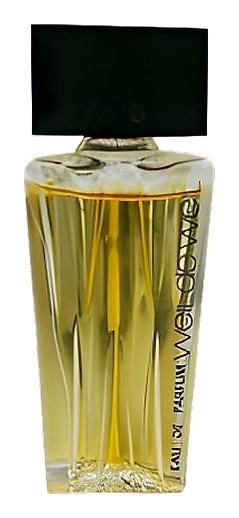
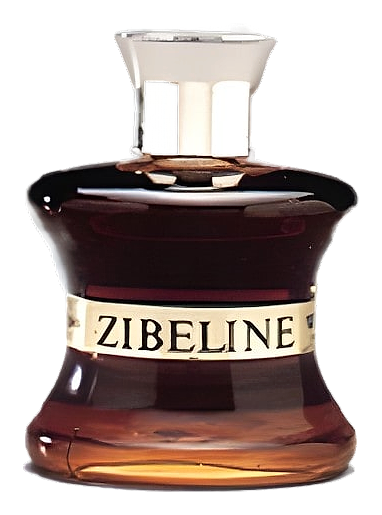
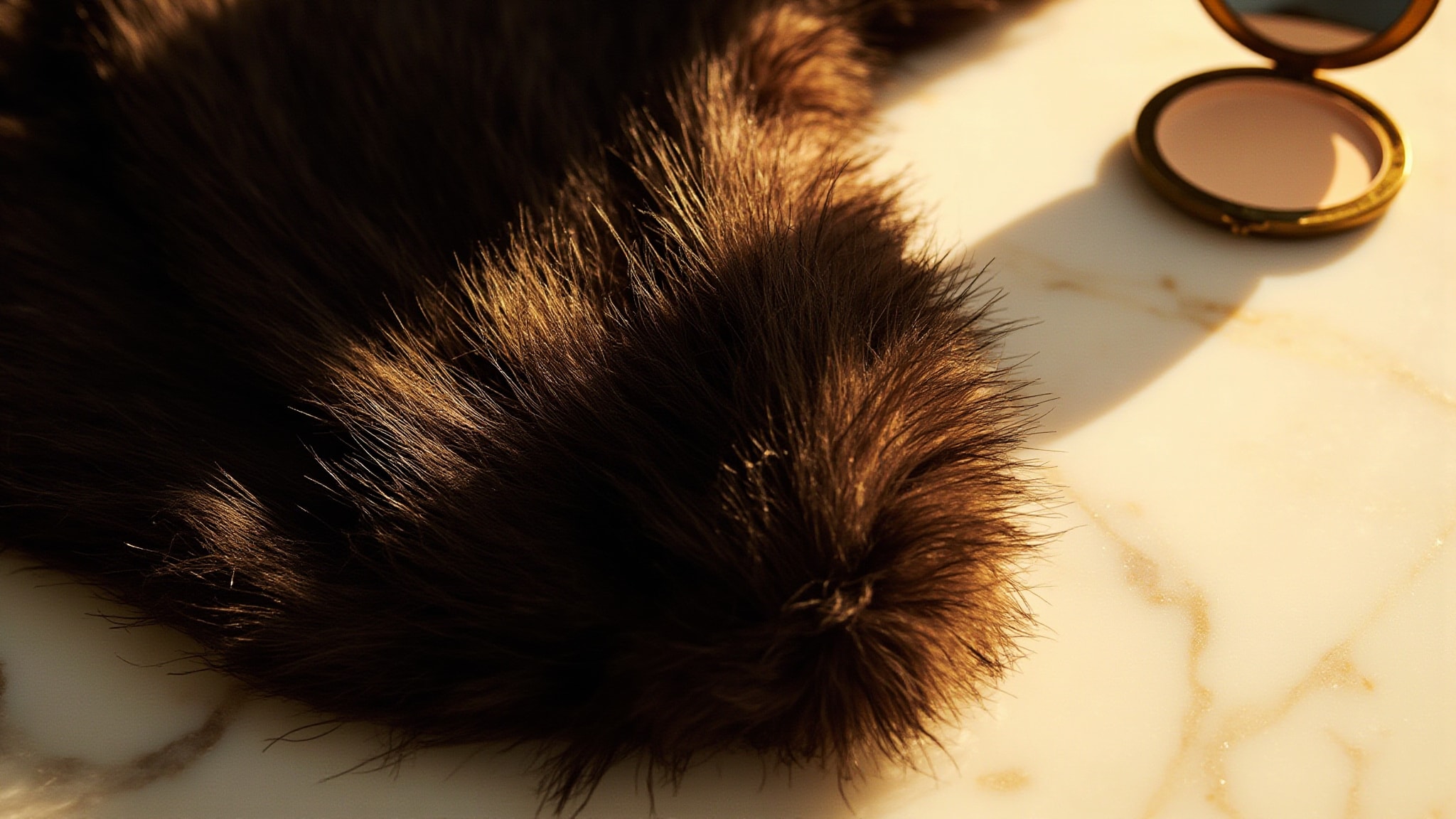
Zibeline takes its name from the pelt of the sable, sleek, dark, impossibly soft. In 1928, the house crafted this aldehydic-powdery formula to bottle that feeling. A client had asked for something to perfume her furs. What arrived was a fragrance that captured the essence of wearing fur against the skin, translated into something you could apply to yourself rather than spray into a closet. The aldehydes lend a cold, electric shimmer that feels almost metallic against the warmth of the body, while the powdery accord settles into something close and intimate, the olfactory equivalent of wrapping oneself in deep, dark, velvety fur.
The cologne concentration strips away some of the extrait's density, letting the aldehydes and iris read more clearly. Where the parfum version leans into sillage, the cologne sits closer, radiant, transparent, the aldehydic shimmer almost cold before the powder takes over. Think of it as the formula reconsidered: same intentions, a different delivery.
The evolution
The aldehydes hit the skin cold, not refreshing but metallic, a shimmer that makes the air feel briefly electric. Bergamot and lemon arrive next, cutting through the tarragon's green bitterness with sharp citrus light. The coriander adds a faintly spiced edge that keeps the opening from feeling too clean. Within minutes, the aldehydes soften into powder. Iris asserts itself, waxy, floral, slightly carroty in a way that reads as warmth rather than vegetable. Gardenia follows, creamy and white. The florals don't compete; they layer, building a heart that feels fuller than the cologne label suggests. The drydown is where Zibeline earns its name. Civet and honey create an animalic warmth that presses against the skin rather than filling the room. Sandalwood and vetiver keep the base grounded, earthy. Tonka bean and amber add sweetness that never tips into confection.
Cultural impact
Zibeline arrives in 1928 during the golden age of aldehydic florals, a structural template that would define a generation of perfumery. The aldehydic floral genre was flourishing, with houses experimenting with these sparkling, luminous compositions that seemed to capture light itself. Zibeline fits squarely within this tradition, its cold aldehydic opening echoing the era's fascination with brightness and radiance, while its warm, animalic base hints at the sensual depths that would later become a hallmark of the house's later work.