The Story
Why it exists.
The beginning
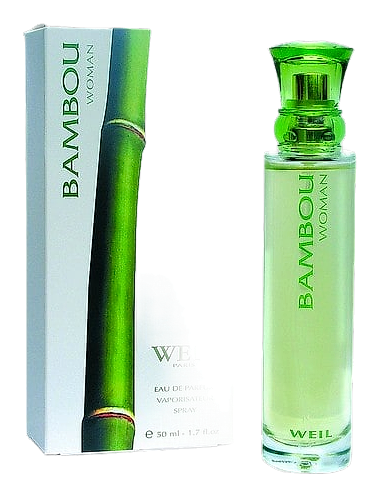
Bambou arrived in 1934. The name says bamboo, vertical, green, architectural, and the composition delivers exactly that. Crisp galbanum and bright citrus open the fragrance, with aldehydes adding a waxy shimmer that lends vintage elegance. The fragrance that emerged didn't perform. It endured. It settled close, felt like a second skin, and stayed, its green elegance lingering without announcement.
The galbanum wasn't ornamental. In a decade still drunk on orientals and aldehydic florals, a sharp green top read as almost confrontational, a way of saying the wearer's taste came first, fashion's opinions second. The tea rose and lily of the valley in the heart soften what the opening announced, but never undo it. Weil understood that restraint and character aren't opposites. Bambou proved it.
The evolution
The opening lands crisp, galbanum's green bite, bergamot's citrus lift, aldehydes adding a waxy vintage shimmer that apple then sweetens. The green doesn't fade so much as dissolve, replaced within the hour by florals that feel dewy rather than heavy. Cyclamen and lily of the valley arrive together, their petals cool and delicate, the transition happening without announcement. Oakmoss settles in last, a quiet anchor after the florals have had their say, its mossy, earthy depth grounding everything that came before.
Cultural impact
Bambou carved a narrower path: green, crisp, and deliberately restrained. The fragrance didn't announce itself. Its green elegance and quiet confidence spoke instead of restraint, of scent as something personal rather than performative, a sensibility that Weil had already built its identity around.