
The Story
Why it exists.
The beginning
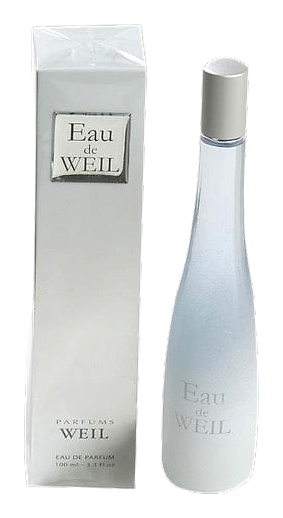
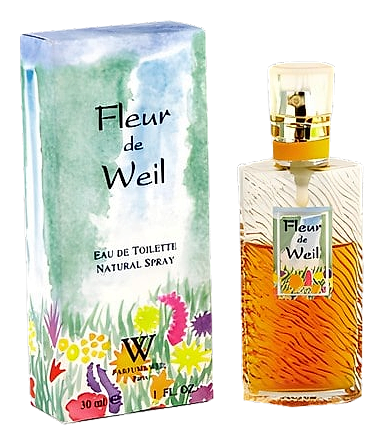
Weil launched Fleur de Weil in 1995 with a clear intention: to bring the house's tactile philosophy to a new generation. Where earlier Weil scents leaned heavily into powdery aldehydes and the texture of fur, this one softened the approach. The name, Fleur, meaning flower, signaled something gentler, more feminine, while still carrying the Weil DNA of restraint. The perfumer worked with osmanthus, a material the house had long admired for its paradox: soft apricot sweetness crossed with a subtle animal warmth, like the smell of petals before they open fully. It was meant to be worn, not analyzed, a fragrance that felt as natural as slipping into something well-made.
What makes Fleur de Weil unusual is its refusal to commit to one register. The grapefruit opening is crisp, almost sharp, a deliberate choice to wake the composition rather than ease into it. Then the green notes carry the handoff to osmanthus, which behaves differently on every wearer. Some people get the apricot; others get the leather. The musk base anchors everything in powdery softness, the way Weil always intended perfume to feel: like a second skin, not a costume. It's the structure that separates this from simpler florals, that arc from sharp to soft to whisper-close.
The evolution
It opens bright. Grapefruit and green notes arrive together, clean and awake, like walking into a room with the windows already open. This phase lasts maybe thirty minutes before the osmanthus begins to soften things. The fruit emerges, not quite peach, not quite nectarine, something in between that refuses to name itself. The florals arrive next, quieter than expected, woven through with something almost leather-like. Then the drydown: powdery musk that clings to fabric and skin for hours after you've stopped noticing it. On clothes, it lingers until the next wash, a ghost of the morning's freshness on a collar you forgot to spray.
Cultural impact
Weil occupies a strange corner of fragrance culture: respected by those who know it, overlooked by those who don't. Fleur de Weil, released in 1995, fits that pattern perfectly. It arrived at the tail end of an era when feminine fragrances were moving toward either maximalism or minimalist florals, and it chose its own path, restrained, powdery, quietly confident. Comparisons to Lancôme Trésor make sense structurally (both are powdery florals with fruit), but the execution differs. Where Trésor aims for opulence, Fleur de Weil aims for something closer to self-possession. It's the fragrance equivalent of a well-made coat: expensive to produce, easy to underestimate.