











Heritage
A house, in its own words
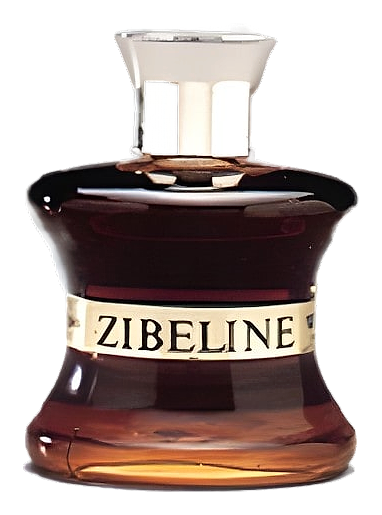
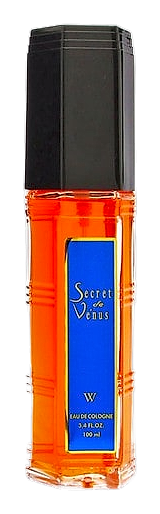
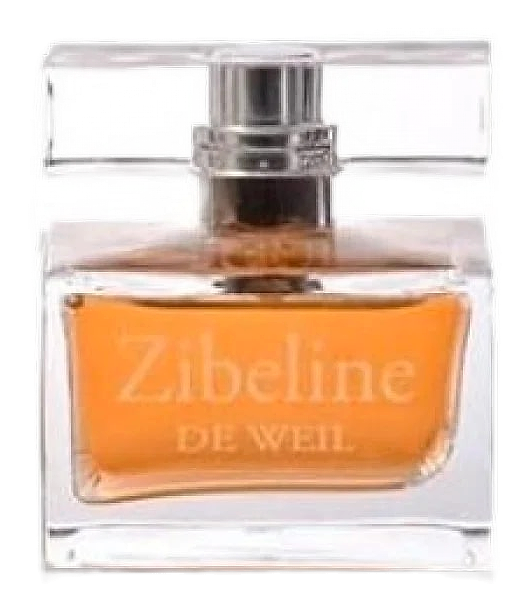
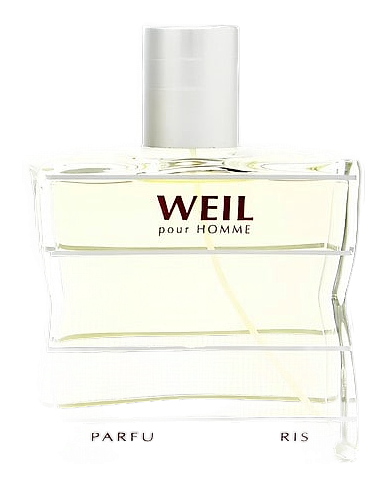
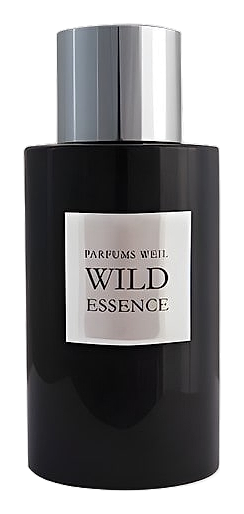
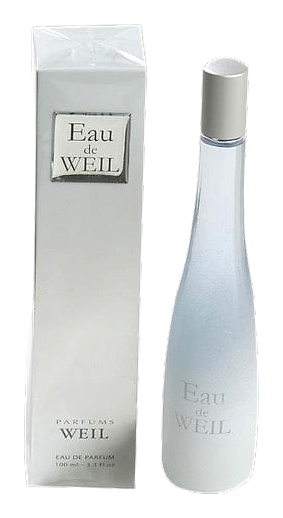
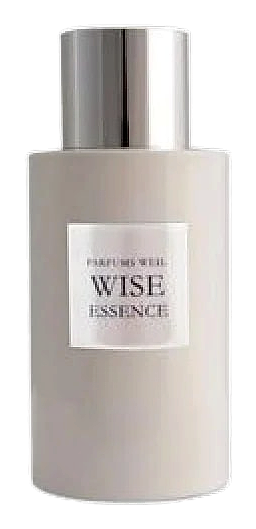
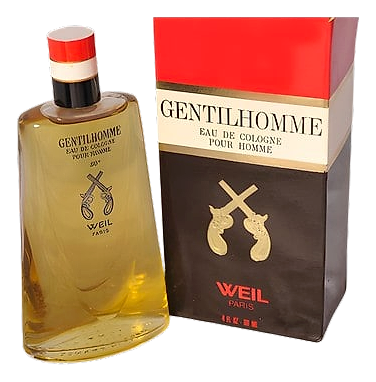
The Weil name first appeared on a Parisian storefront in 1892, when brothers Marcel, Jacques and Alfred opened Les Fourrures at 4 rue Sainte‑Anne. Their shop supplied the city’s elite with mink, sable and sable‑trimmed garments, and the brothers quickly earned a reputation for meticulous craftsmanship. By the mid‑1920s the family began to experiment with scent, believing that a perfume could capture the same tactile intimacy as a fine fur. In 1927 they launched their inaugural fragrance, Zibeline, a powdery blend that evoked the smoothness of a sable coat. The success of Zibeline encouraged the house to expand its olfactory catalogue, and throughout the 1930s Weil introduced Secret De Venus (1933) and Antilope (1946), both of which reinforced the brand’s association with luxurious textures. World War II forced the Weil family to flee occupied France. They re‑established the business in New York, where they continued to produce for a transatlantic clientele. The post‑war era saw the debut of Gentilhomme (1967), a refined masculine scent that marked the house’s first dedicated men’s offering. In 1971 Weil released Weil De Weil, a homage to the family’s heritage that blended amber, leather and soft florals. The 1980s brought Weil Pour Homme (1980) and Kipling (1986), expanding the line into sportier, contemporary moods. The 1990s and early 2000s were a period of quiet renewal; the house refreshed classic bottles, introduced Eau de Weil (2008) and revisited its archival archives with limited‑edition reissues. A new generation of perfumers joined the team in the 2010s, delivering Wild Essence (2012) and the floral‑rich Merveilles & Fleurs (2020). Today Weil balances its century‑old fur‑inspired DNA with modern sensibilities, offering a portfolio that spans powdery classics, aromatic woods and bright citrus accords while remaining anchored in the tactile elegance that defined its first scent. Weil treats perfume as a second skin. The house believes that scent should echo the feeling of a well‑cut coat, slipping on with the same quiet confidence as a favorite jacket. Its creative brief asks each perfumer to translate texture into aroma, favoring smooth, powdery bases, soft leathers and subtle animalic whispers. Rather than chase trends, Weil refines timeless accords, letting a single note linger long enough to be felt rather than merely smelled. The brand’s aesthetic leans toward restraint; it avoids gaudy flashes in favor of muted palettes that suggest refinement. This philosophy extends to its marketing, which presents each fragrance as an invitation to experience comfort, poise and a hint of nostalgia. By anchoring every new launch to a tactile reference—whether the plushness of cashmere, the sleekness of polished wood or the crispness of fresh linen—Weil creates a cohesive narrative that feels both historic and contemporary. The result is a line that speaks to collectors who value subtle depth over overt drama. Each bottle is conceived as a quiet object of desire, its silhouette echoing the clean lines of a tailored coat. The house encourages wearers to layer scents as one would layer fabrics, building a personal aura that evolves throughout the day. This layered approach reflects Weil’s belief that perfume, like fashion, is an intimate dialogue between the individual and the surrounding world.