
The Story
Why it exists.
The beginning
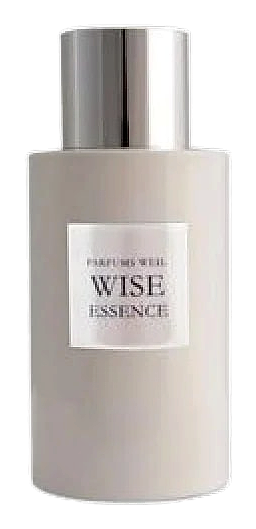
Weil began as a Parisian fur workshop, turning its needle to scent-making in 1927 when the brothers reasoned that perfume could echo the same tactile intimacy as a fine sable coat. That philosophy, scent as a second skin, has guided every release since. In 2012, Weil released Wise Essence, a men's fragrance that translates that idea into the domain of the aromatic fougère. The name carries its own argument: that wisdom in fragrance means knowing when to pull back. Developed with the expertise of Aroli, this composition holds true to the house brief of translating texture into aroma, bright citrus and herb notes at the opening, a nod to the cool airiness of fine fur, before settling into the warm weight of cedar and patchouli that arrives the way a well-cut coat settles on the shoulders.
What makes the structure unusual within the aromatic fougère archetype is its commitment to restraint on both ends of the wear. The opening is cool and clean without tipping into sharpness, the lemon verbena and cardamom temper the citrus brightness rather than amplify it. At the other end, the cedar and patchouli in the base arrive without fanfare, settling close to the skin in the way Weil's philosophy demands. The elemi resin in the heart is the quiet wildcard, related to frankincense but with a fresher, more citrusy character that bridges the opening and drydown rather than announcing itself. This is not a fragrance that competes for attention. It earns it slowly, the way the best fougères always have.
The evolution
The opening arrives clean and immediate, lemon verbena and bergamot lift the top notes with a brightness that feels almost green. Cardamom is the quietest member of the opening quartet but it matters: it keeps the citrus from feeling disposable. The first phase holds for roughly thirty minutes before the heart notes begin to surface, bay leaf and coriander asserting themselves as the citrus recedes, pepper and elemi resin adding a faint resinous warmth that sits just beneath the herbal surface. Three hours in, the transition to the drydown begins. Cedar arrives not with force but with presence, a slow warming that becomes the fragrance's defining gesture. Patchouli darkens it slightly without adding weight. Musk softens everything, pulling the composition toward skin. The drydown is where Wise Essence justifies its name: quiet, settled, the kind of smell that becomes part of what you are rather than something you applied. On fabric, the cedar holds into the next day.
Cultural impact
The aromatic fougère is one of perfumery's most enduring structures, clean, herbaceous, built on the citrus-lavender-moss triad that defined men's fragrance for most of the twentieth century. Wise Essence arrived in 2012, late in the category's modern revival, which gave it the advantage of perspective. Rather than reinventing the wheel, Weil refined it, taking the classic architecture and executing it with the restraint that defines the house. Wearers who appreciate this fragrance tend to do so precisely because it doesn't try to compete. It occupies the fougère register quietly, confidently, without the performative assertiveness that has come to dominate the category.