The Story
Why it exists.
The beginning
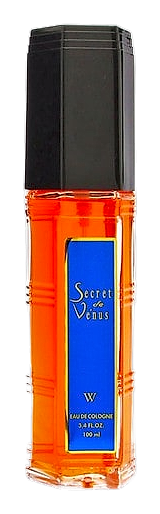
Weil began translating fur into fragrance in 1927, and by 1933 had refined that translation into something more intimate: Secret De Venus. The name alone, a goddess, a secret, suggests the olfactory logic: a scent that reveals itself only to proximity. The perfumer worked within Weil's laboratory tradition, building from a sandalwood and patchouli base that would hold warmth close to the skin rather than announce it across a room. Gardenia and jasmine anchor the heart, because Weil understood that the flowers closest to skin read as memory, not perfume. The brief, quietly fulfilled: make something that whispers and stays.
The choice of gardenia over, say, rose or tuberose tells you something. Gardenia is dense, almost waxy, it doesn't evaporate quickly, it dissolves. Here, paired with jasmine and held against a sandalwood-patchouli base, it gains body heat. The vanilla in the drydown doesn't sweetness its way out; it lingers, powdery and slightly animalic, the way a vintage chypre should. Cedar rounds the edges. Patchouli grounds everything. This is a composition built for warmth at close range, not projection across a room. The citrus top, bergamot, lemon, opens the composition cleanly, then disappears, leaving the florals and woods to do the long work. That's the structural logic: bright entrance, intimate duration.
The evolution
The opening is citrus and lavender, bergamot brightness cut with something herbal, almost medicinal. Think: the first sharp note of a chypre before it softens. Within minutes, that top thins and the heart takes over: gardenia first, then jasmine rising through it, both flowers blooming at skin temperature rather than filling a room. Moderate sillage means the drydown arrives quietly, not dramatically. The sandalwood and patchouli arrive together, warm and powdery, with vanilla threading through. What surprises is the cedar, not sharp, but round and woody, smoothing the patchouli's earthiness into something comfortable. The drydown lasts 4-6 hours: intimate, animalic, the smell of skin remembered rather than perfume worn. Worn on fabric, it lingers overnight.
Cultural impact
Secret De Venus holds a specific place in the chypre floral canon: not a statement fragrance, not a projection fragrance, a close-wear vintage with a devoted following among those who seek the smell of classic elegance rather than modern performance. Released in 1933, it predates the loud fragrances that came later and offers something quieter: powdery warmth, gardenia at body temperature, the drydown that reads as memory. Wearers describe it as the scent of someone who walks into a room and doesn't need to announce themselves.