The Story
Why it exists.
The beginning
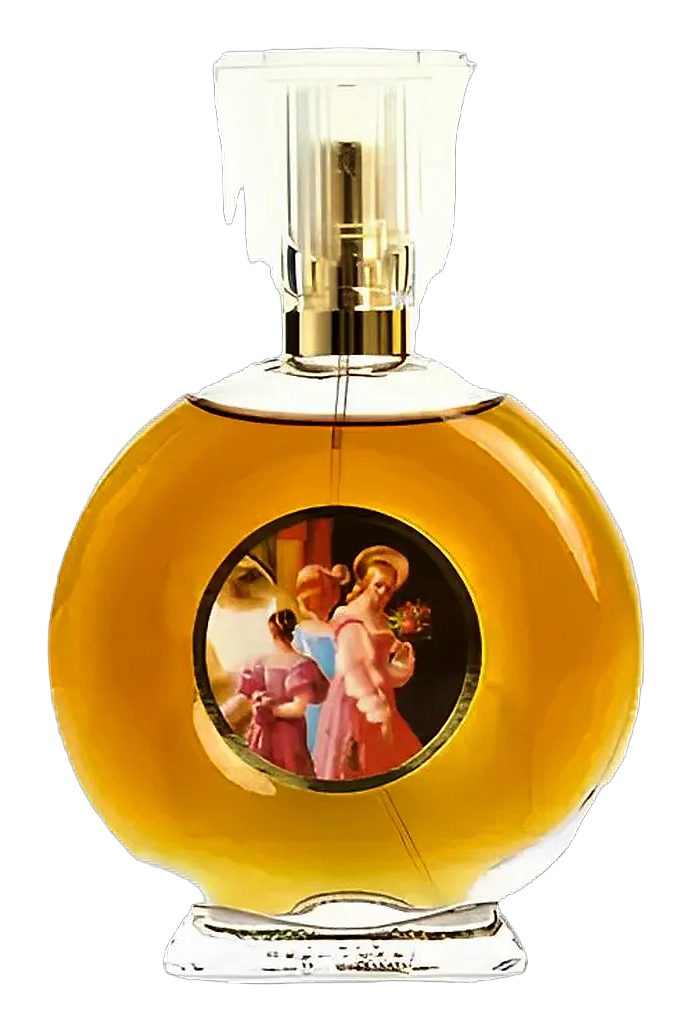
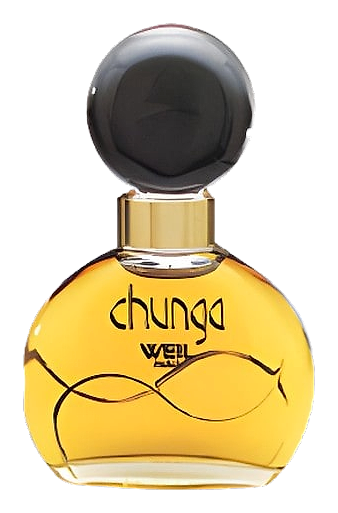
Jean-Pierre Weil created Chunga for the house bearing his name, launching it in 1977. By this point the Weil family had been crafting fragrances for fifty years, building a reputation for compositions that prioritized texture and skin-feel over novelty. Chunga arrived during a period when aldehydic florals had become a recognized language in French perfumery, but Weil interpreted that language with particular emphasis, favoring richness and an almost architectural structure. The yellow florals in the heart, the animalic depth in the base, the sheer volume of the pyramid, nothing about Chunga suggested caution. This was a statement made in powder and honey.
The pyramid is unusual in its breadth. Eight heart notes alone, a deliberate layering that most modern perfumers would consider excessive. But the carnation and clove bring an aromatic sharpness that prevents the yellow florals from becoming merely sweet. The clover is unusual; it appears rarely and here it adds a green, almost medicinal quality that acts as a bridge between the aldehydic opening and the honeyed warmth below. What makes this structure work is the aldehydes themselves, they don't just sparkle. They illuminate the florals, making each layer visible rather than blurred together. The honey doesn't arrive as sweetness. It arrives as warmth, as texture, as the feeling of something held close.
The evolution
Aldehydes and bergamot open the composition. Bright. Cold almost. The citrus doesn't smell like fruit, it smells like cold air through a window, sharp and clear and almost astringent. This phase lasts fifteen to thirty minutes before the florals begin their procession. Then the yellow flowers arrive. Carnation first, with its peppery spice. Linden blossom, honeyed and green. The aldehydes don't disappear, they retreat, becoming the light that illuminates rather than the light itself. The jasmine and ylang-ylang add warmth, but the clove is the surprise here. A thin line of spice that keeps the florals from becoming precious. This is where Chunga asserts itself. Assertive. Almost stern. The honey announces itself in the base, changing the character entirely. White honey and tonka bean, warm and edible. Musk and ambergris, the ambergris is the tell, the salty animalic undertone that makes this drydown work. Vetiver keeps everything grounded, stopping the sweetness from becoming cloying. Powder develops, but it's skin-close now, intimate rather than theatrical.
Cultural impact
Wearers describe Chunga as the scent of someone who walks into a room and doesn't need to announce themselves. The aldehydic structure places it in conversation with the great aldehydic florals of French perfumery, but its honeyed warmth and animalic drydown give it a character all its own. This is quiet luxury for those who've moved past needing recognition.