
The Story
Why it exists.
The beginning
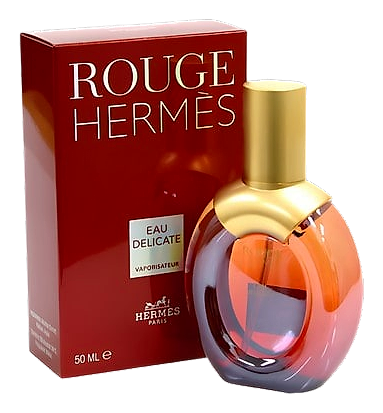
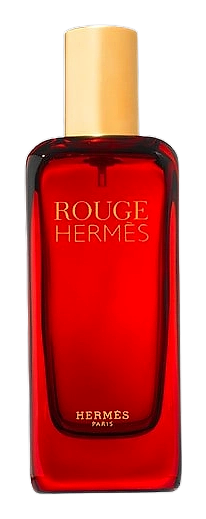
Rouge Hermès didn't begin as Rouge Hermès. Akiko Kamei created it in 1984 under a different name: Parfum d'Hermès. Sixteen years later, when the house decided to make its own color the centerpiece of a fragrance, the name changed and so did the story. Rouge, the red of Hermès, the emblematic color of the house, became the fragrance's identity. Where most launches in 2000 were chasing lightness and transparency, Hermès quietly sent something rich and powdery into the world. That contrast made it stand out. Not by following a trend but by refusing to.
The structure is what makes it worth knowing. Rose, ylang-ylang, and iris at the top create a floral trio that sounds classical until the ylang-ylang adds that tropical creaminess you don't expect in something so powdery. The heart of sandalwood, amber, vanilla, and cedar wraps warmth around the whole thing, that's where the longevity lives, where the fragrance stops being an opening and becomes something you wear. The base of labdanum and myrrh adds resinous depth without sweetness, so the drydown stays interesting. What makes it unusual isn't any single note but the way the powder never dominates. It evolves. By the end, it's the memory of powder, not powder itself.
The evolution
The opening announces rose with quiet confidence. Ylang-ylang brings that tropical creaminess alongside it, unexpected in something so powdery. There's a medicinal edge in the first minutes, part of the fragrance's vintage character. Some find it intriguing. Others find it challenging. Both reactions are accurate. Within the first hour, sandalwood and vanilla arrive and soften everything. The iris adds powdery texture, not light, but substantial. Face powder on skin that's been warm for hours. The fragrance holds its presence throughout this phase. Once the drydown takes over after the second hour, cedar and amber build warmth while myrrh and labdanum add darker, resinous depth. The rose becomes more abstract, less a flower, more an impression. The composition settles. Holds. Lasts. After that first hour, sillage moderates. The fragrance becomes intimate, personal, exactly as it should be. On fabric, cedar and sandalwood linger longest. The next morning: a faint trace of myrrh and powder on skin. A reminder of what wore close and quietly for hours.
Cultural impact
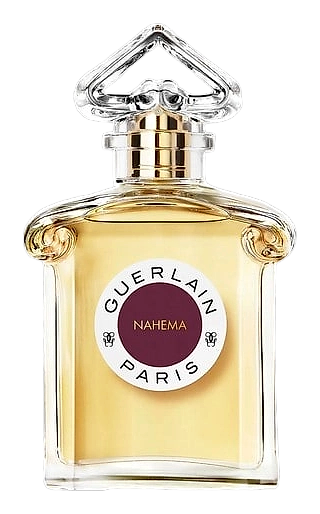
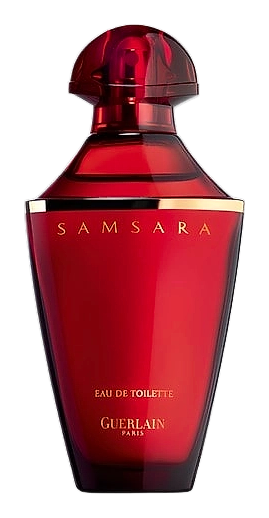
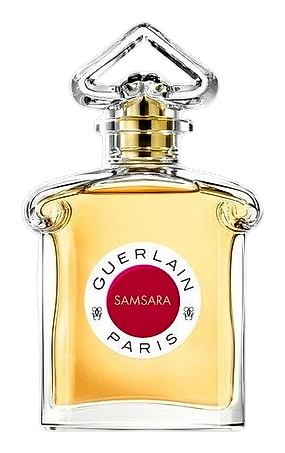
Rouge Hermès goes against what people expect from Hermès. The house built its modern fragrance identity on minimalism, scents that suggest rather than announce, compositions described as olfactory watercolours. Rouge Hermès, bold and powdery and vintage, doesn't fit that picture. It shares more with Guerlain Nahema or Samsara than with anything the house released after Jean-Claude Ellena took over. That divide is the most honest thing about it. Wearers either find this kind of complexity irresistible or they find it too much. Both reactions tell you something real about what you're getting into.