
The Story
Why it exists.
The beginning
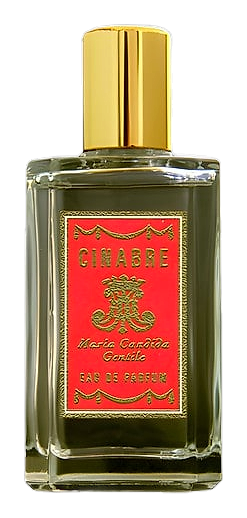
The name carries weight. Cinabre, cinnabar, the alchemist's mineral, bright red and full of hidden heat. That tension between surface and depth runs through the entire fragrance. Maria Candida Gentile built Cinabre around a single provocative idea: the rose is an enigma. Not a simple floral, not a predictable sweetheart note. Something you have to work to understand. The 2009 launch positioned this as a fragrance for someone willing to stay with a scent long enough for it to reveal itself. The pepper upfront, that's the test. Pass it, and the rose opens in a way that rewards patience. Fail it, and you never know what you missed.
The structure is unusual. Most fragrances ease you in. Cinabre opens with three spices at once, ginger, pink pepper, black pepper, creating a brightness that borders on confrontational. Then, gradually, the rose takes over. Not a light petal rose. A Splendens rose, with a camphorated depth that the opoponax in the base amplifies. The drydown leans balsamic: bourbon vanilla and benzoin giving warmth that lingers past when you'd expect the scent to fade. The fragrance asks something of the wearer. That tension, between the sharp opening and the soft, warm heart, is what makes it interesting. It's not trying to please everyone. It's trying to be itself, fully.
The evolution
The opening hits hard. Ginger and pink pepper arrive together, bright and clean, followed by the sharper bite of black pepper. The combination has a crystalline quality, almost like the smell of spice racks in a sunlit kitchen. This phase lasts about fifteen minutes before the edges soften. The transition begins when the pepper integrates and the rose starts to rise. Not an immediate reveal. Around the thirty-minute mark, the rose emerges slowly, carried on a wave of opoponax that gives it a waxy, honeyed depth. The rose isn't delicate here. It's rich, almost jam-like, with an undertone of something darker underneath. This is the heart, and it holds for hours. Four, sometimes five hours of rose-dominant presence before the base takes over. When the drydown arrives, it comes gently. Bourbon vanilla and benzoin create a warm, slightly sweet finish that smells like something left on skin from a better evening. The longevity sits around six to eight hours on most skin types. On fabric, the benzoin can linger into the next day, faint, warm, and still recognizable.
Cultural impact
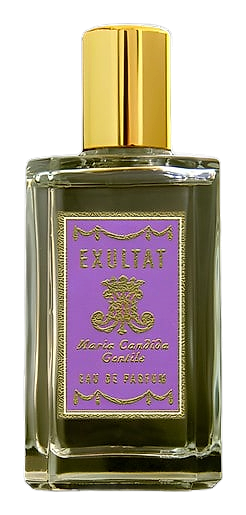
Cinabre arrived in 2009 as part of Maria Candida Gentile's debut collection alongside Exultat. The house was early to the niche fragrance movement, and Cinabre's structure, confrontational opening, patient heart, positioned it as a fragrance for wearers who valued discovery over immediate comfort. The spice-to-rose-to-resin arc influenced how subsequent releases approached the concept of progressive revelation.