Maria Candida Gentile
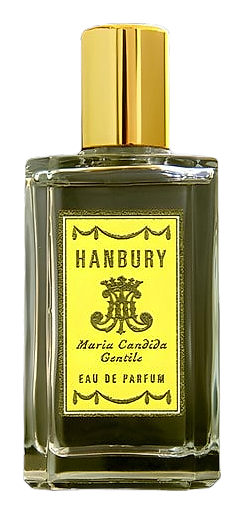
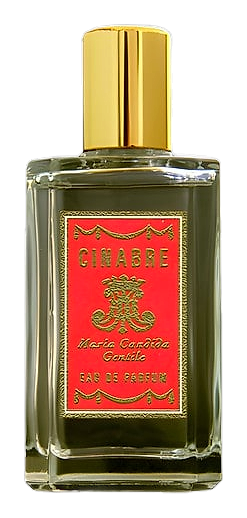
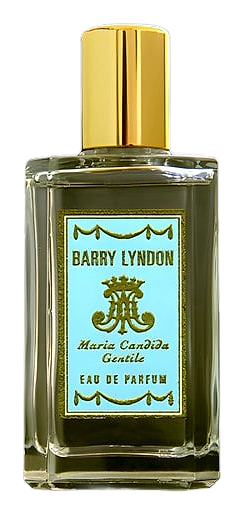
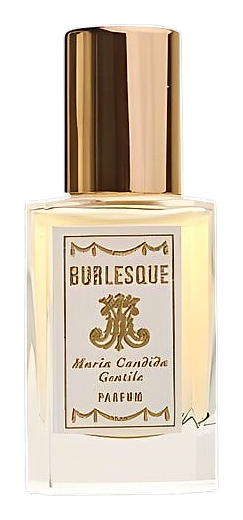
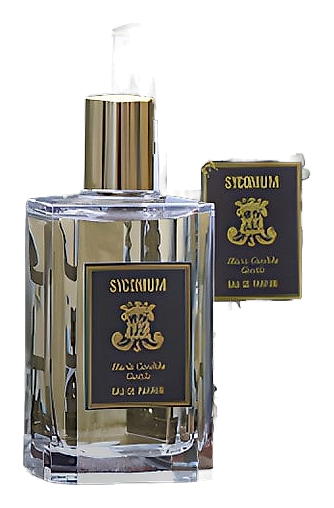
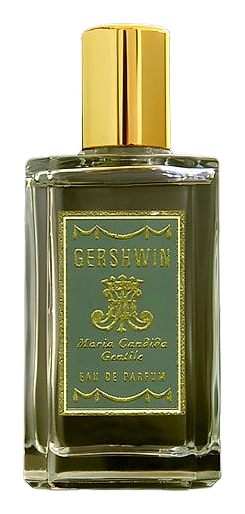
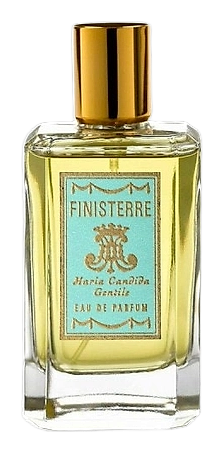
Maria Candida Gentile grew up in the rolling hills of Tuscany, where the scent of rosemary, citrus groves and earth shaped her childhood. At sixteen she earned a scholarship to the Grasse Institute, where she studied the classic French art of perfume making under masters who still teach the language of accord. After graduating she returned to Italy, apprenticing with several niche houses before launching her own label in the early 2000s. She refuses to follow market trends; instead she lets each raw material dictate the story. Her first public release, Elephant & Roses, announced a bold, nature‑centric voice that quickly earned respect among collectors. Over the next decade she added Syconium, Yazemeenah and a growing catalogue of solitary creations, each bearing her unmistakable hand. Today she remains a rare female nose who builds fragrances as intimate portraits of scent.
The hits
Notable creations
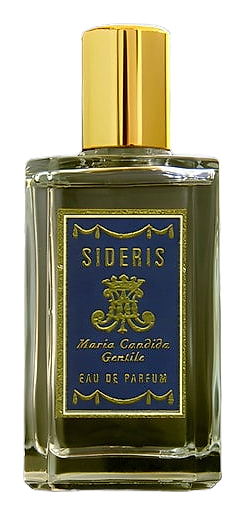
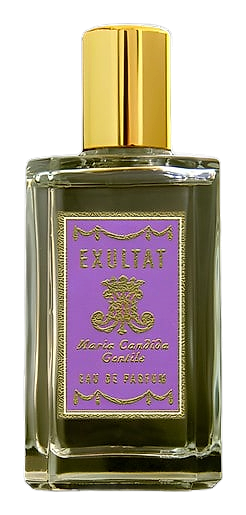
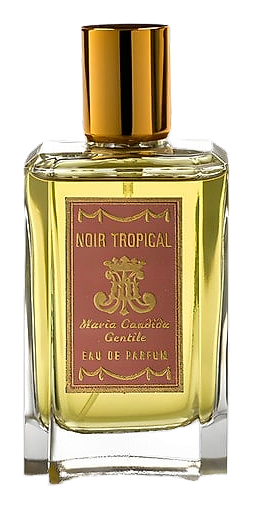
The signature
How Maria composes
Maria Candida Gentile favors natural extracts and traditional extraction methods. She builds her accords around a clear central theme, then surrounds it with contrasting yet complementary facets. In Elephant & Roses she paired a lush rose heart with an unexpected woody base, while Syconium juxtaposes fig leaf freshness with deep amber. Her technique often involves slow maceration, allowing subtle nuances to emerge over weeks. She prefers ingredients that age gracefully, such as aged sandalwood, wild orchid, and Mediterranean herbs, creating fragrances that evolve on the skin.
Philosophy
What drives Maria
Maria Candida Gentile treats perfume as a personal dialogue with the world. She believes that a scent must arise from an honest encounter with its ingredients, not from a brief market brief. Each formula begins with a single note that moves her, whether a wild rose petal or a resin from a remote forest. She lets that note pull the composition toward its own logic, adding supporting layers only when they deepen the narrative. The result feels like a quiet conversation rather than a loud statement, inviting the wearer to explore memory and place.
The houses
Maisons Maria composes for
In the same league